
 New added
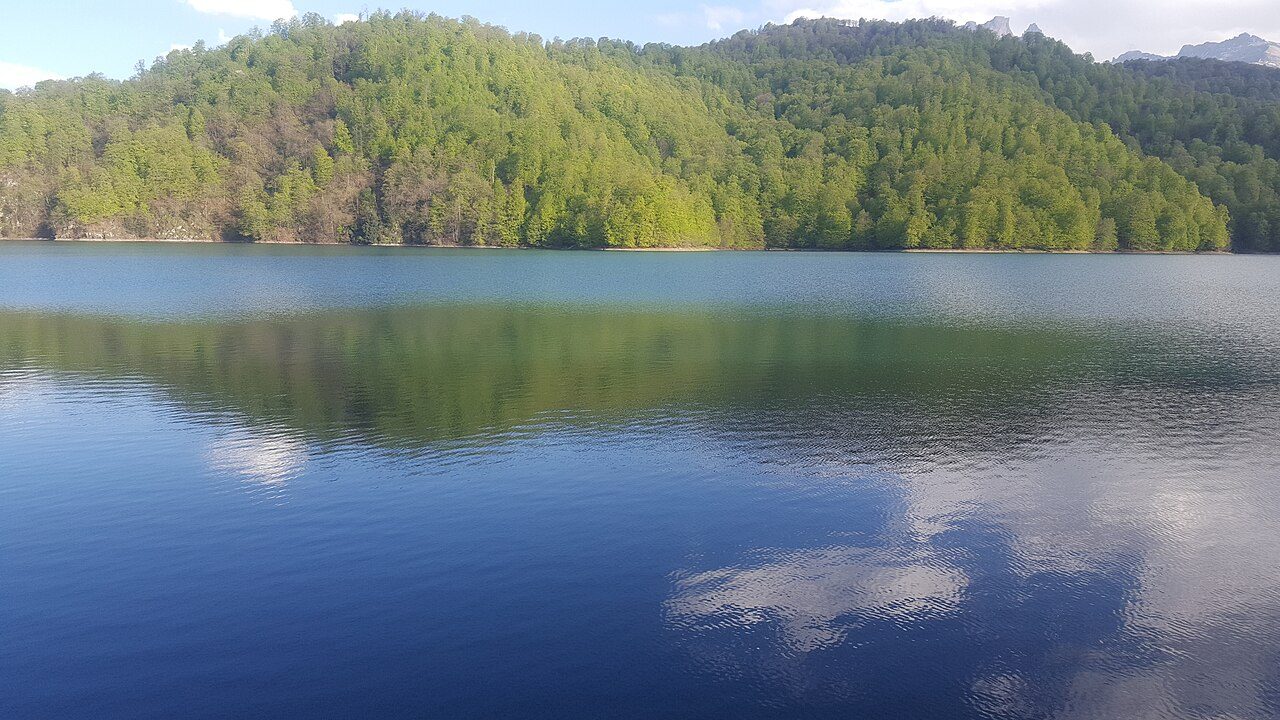
Lake Göygöl
Born from geological catastrophe on September 30, 1139, when a massive earthquake shattered the limestone crags of Mount Kapaz and dammed the roaring Aghsu River, Lake Göygöl—the "Blue Lake"—anchors the northern slopes of the Lesser Caucasus. In the 19th century, Swabian German colonists from nearby Helenendorf etched early trails to this pristine basin, marveling at the vivid transition from primeval Caucasian oak and beech forests to stark dolomite peaks. Resting at 1,556 meters above sea level and plunging to depths of nearly 100 meters, this protected aquatic sanctuary gleams in dramatic shades of turquoise and deep cobalt, held fast within a dramatic ring of fractured grey ridges. Standing along the timber balustrades of the northern shore, travelers are greeted by an immediate drop in temperature and an arresting alpine stillness broken only by the whisper of mountain pines. The water is startlingly transparent, revealing sunlit shoals of endemic Göygöl trout darting through submerged stone shelves. Looking south across the mirrored surface, the jagged, white amphitheater of Mount Kapaz doubles in the glassy reservoir below, while crisp winds funnel down from 3,000-meter scree slopes, carrying the sharp scents of wild thyme and damp needle-litter into an atmosphere of quiet, primeval isolation.
More in Ganja
Photo credits (3)
- Akifa92, CC BY-SA 4.0, via Wikimedia Commons
- En Merker, CC0, via Wikimedia Commons
- Wertuose, CC BY-SA 3.0, via Wikimedia Commons