
Quba
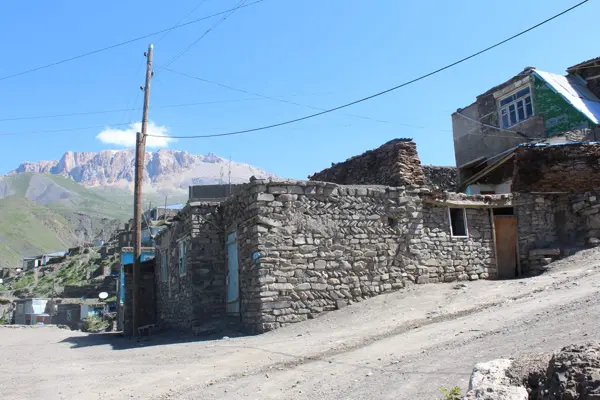
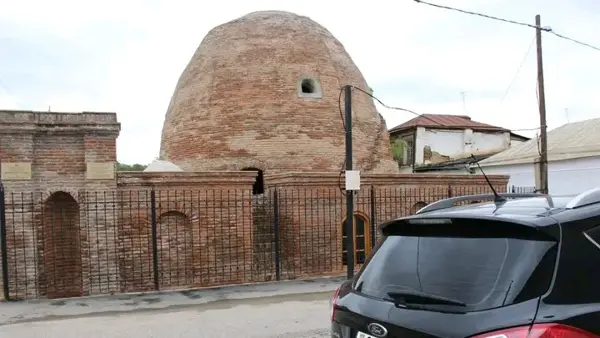
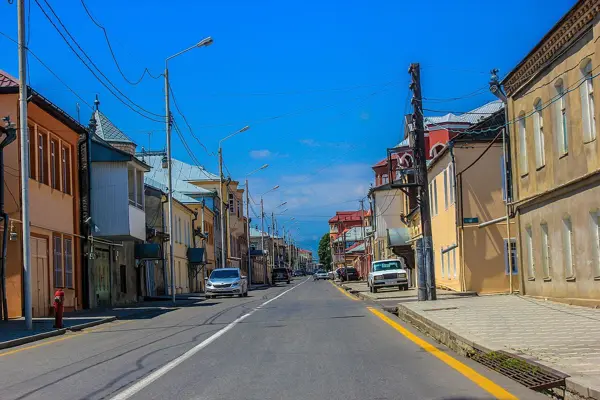
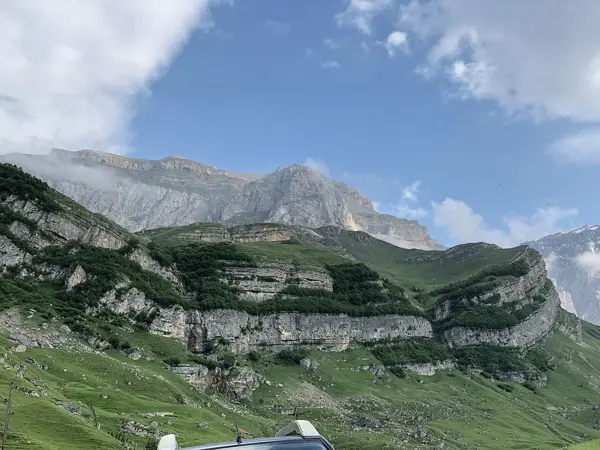
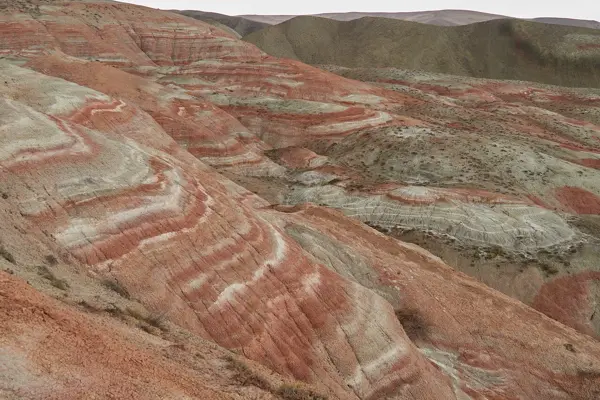
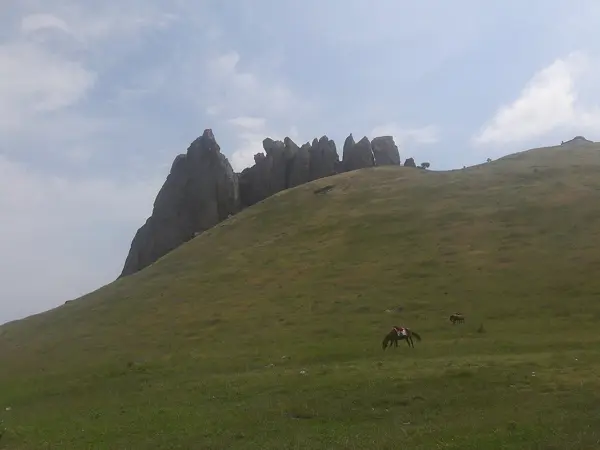
Quba rests on the slopes of the Greater Caucasus in northeastern Azerbaijan, split in two by the swift Qudiyalchay River. Walking through its older neighborhoods feels unhurried, defined by leafy avenues of red-brick houses, carved wooden verandas, and quiet open-air tea gardens where locals gather over samovars to the murmur of mountain water. The settlement expanded in the eighteenth century when Fatali Khan made it the capital of the Quba Khanate. Directly across the nineteenth-century arched brick bridge lies Qırmızı Qəsəbə, an ancient Mountain Jewish town where residents converse in Judeo-Tat and attend intricately decorated synagogues. Back on the southern bank stand the octagonal Juma Mosque, erected in 1802 with a faceted metallic dome, and the red-brick Sakina Khanim Mosque, built in 1854 with delicate stone fretwork. Orchards surround the town, yielding dozens of distinct apple varieties that take center stage each October during the annual Apple Festival. In the central bazaar, vendors slice diamond-shaped Quba baklava stuffed with spiced walnuts, sold alongside wool carpets woven in regional geometric patterns. September and October offer crisp weather and golden foliage. The central quarters are easiest to navigate on foot, while shared taxis make the two-hour run from Baku throughout the day.
Read more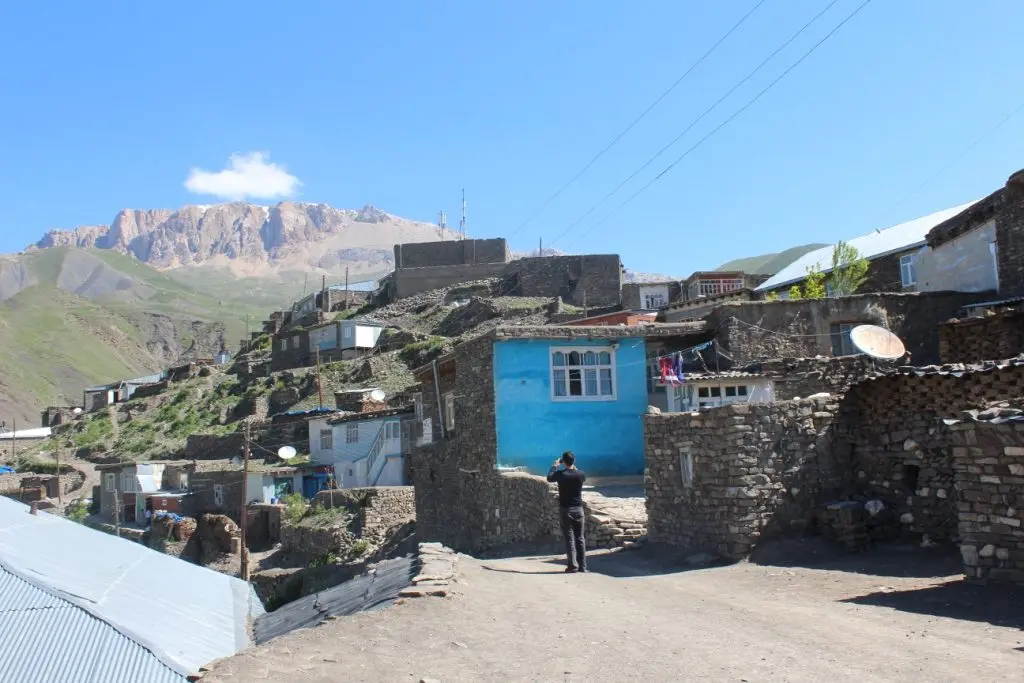
What to see in Quba
Guides & drivers nearby

Travel guides for Quba
Photo credits (6)
- Irada, CC BY-SA 3.0, via Wikimedia Commons
- David Uriarte, CC BY-SA 4.0, via Wikimedia Commons
- Asif Masimov, CC BY-SA 3.0, via Wikimedia Commons
- Gunel77, CC BY-SA 4.0, via Wikimedia Commons
- lumoplank, CC0, via Wikimedia Commons
- Scorpio835, CC BY-SA 4.0, via Wikimedia Commons