Discover how to plan your first visit to Georgia, from historic Tbilisi to the Caucasus mountains. Learn about transportation, highlights, itinerary ideas, and guided touring options.
Planning a first trip to Georgia requires balancing ancient heritage, mountain passes, and a rich culinary culture. First-time visitors should base themselves in Tbilisi before exploring historical hubs like Mtskheta, the wine lands of Kakheti, and the peaks of the Greater Caucasus. Compact travel corridors connect these distinct landscapes, allowing you to experience medieval stone architecture, valley vineyards, and alpine views in a single journey.
Key Regions to Visit for First-Timers
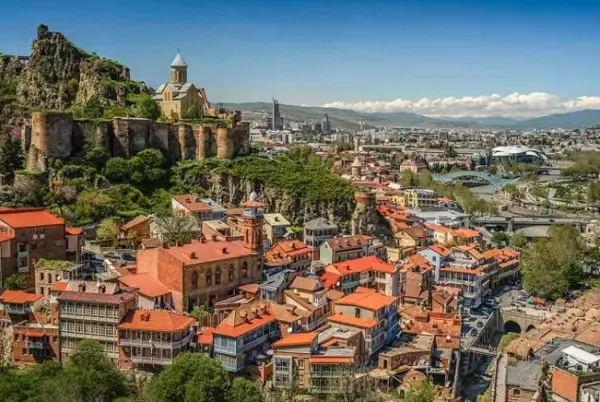
Eastern Georgia is defined by the capital and the rolling hills of Kakheti. Tbilisi serves as the country's cultural core, showcasing centuries of trade along the Silk Road through carved wooden balconies, sulfur bath domes, and modern riverside architecture. A short drive east brings you to Kakheti, where towns like Signagi overlook the wide Alazani Valley, the heart of Georgia's 8,000-year-old winemaking tradition.
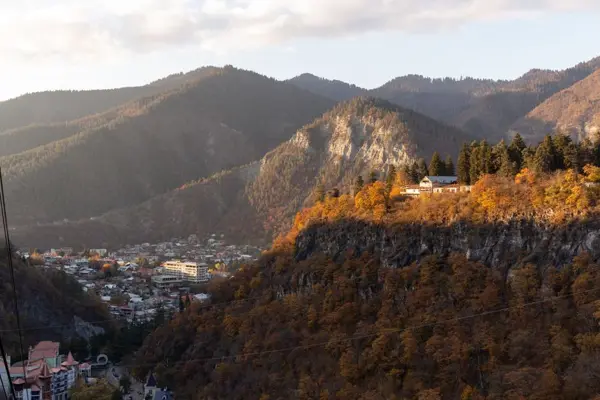
Central Georgia connects the lowlands to the Greater Caucasus range. Traveling north along the Georgian Military Highway leads past ancient river confluences into Kazbegi, an alpine district towered over by Mount Kazbek. South of the central plains lie the forested mineral spring valleys around Borjomi.
Western Georgia transitions from the historic kingdom of Colchis to the humid shores of the Black Sea. The city of Kutaisi anchors the interior with imperial medieval sanctuaries and limestone caves. Further west, the subtropical port city of Batumi offers seaside boulevards, extensive botanical collections, and high-rise architecture along the coast.
Top Sights and Cultural Landmarks
Tbilisi blends antiquity and forward-looking architecture within a steep river gorge. In the Avlabari district, the Holy Trinity Cathedral commands the skyline as one of the largest Orthodox sanctuaries in the region. Down along the river, the undulating glass canopy of the Bridge of Peace connects Rike Park with the cobblestone alleys of the historic core. You can book an Old Tbilisi historical walking tour on Tour & Car for $150 (a 5-hour private tour for your whole group led by guide George Zardiashvili) to understand the layered history behind these quarters.
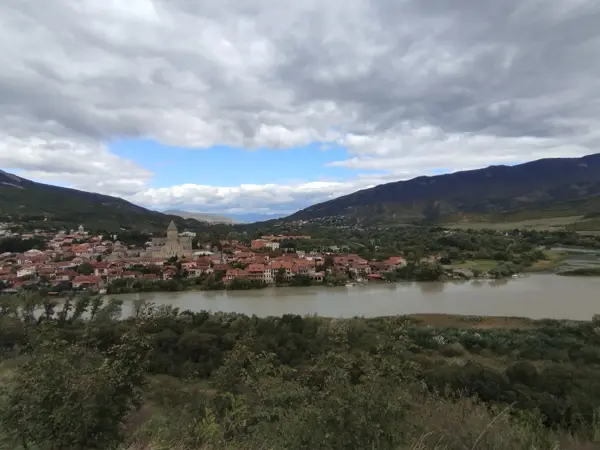
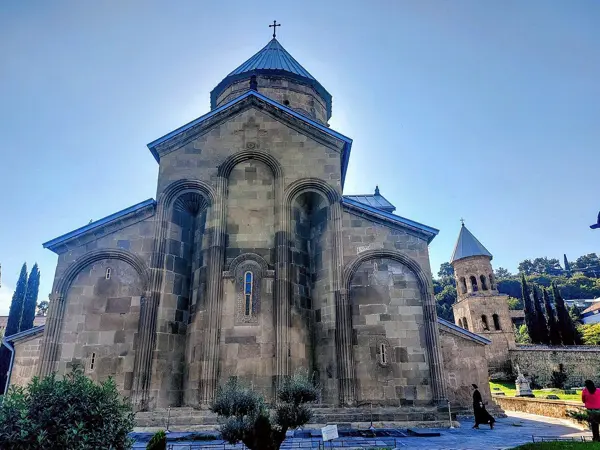
Just outside the capital sits Mtskheta, the spiritual heart of the nation. Perched on a cliff above the confluence of the Mtkvari and Aragvi River, the sixth-century Jvari Monastery overlooks the valley below. You can book the UNESCO protected sites Jvari and Mtskheta tour on Tour & Car for $160 for a 6-hour private excursion.
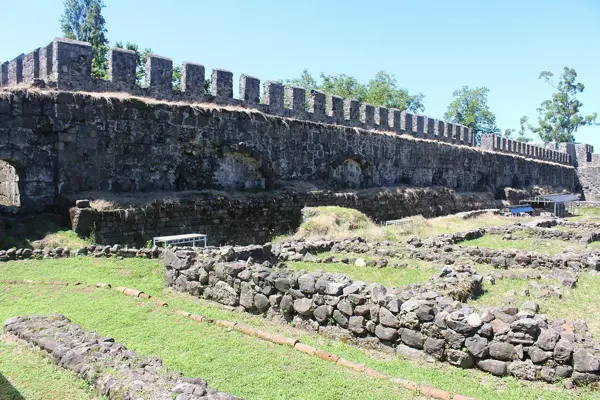
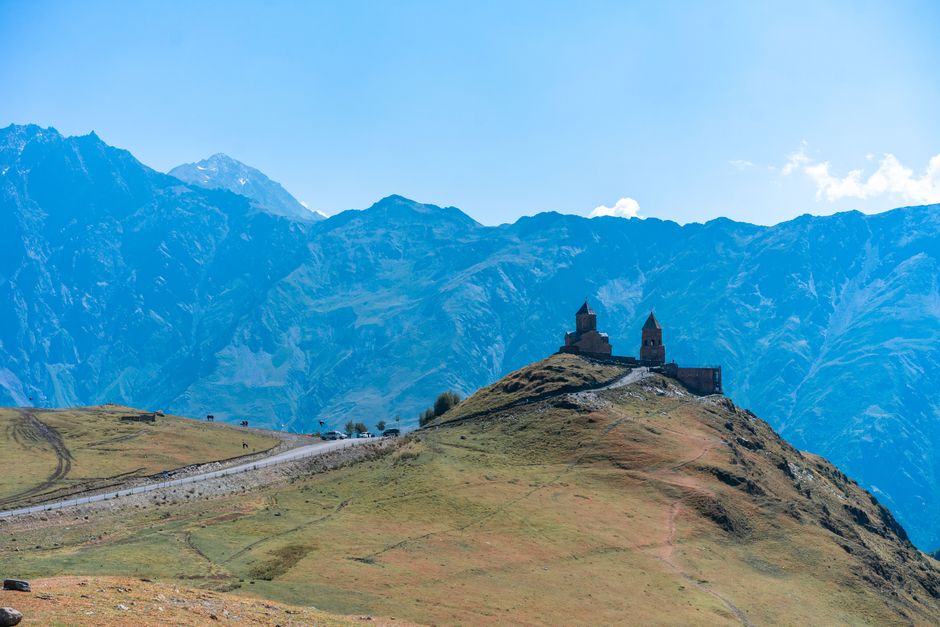
In the high north, the iconic Gergeti Trinity Church stands on an alpine ridge at 2,170 meters elevation directly beneath Mount Kazbek. Western Georgia hosts its own historical wonder at Gelati Monastery near Kutaisi, a medieval academy founded by King David the Builder. Near the eastern border, the fortified City Walls of Signagi stretch across the ridges of the Gombori Range, providing defensive towers and sweeping views across the vineyards.
How to Travel Around Georgia
Getting between major hubs in Georgia is straightforward thanks to modern rail lines, shared minibuses (marshrutkas), and private drivers. Comfortable trains link Tbilisi with Batumi on the Black Sea coast, and there are rail and road connections to Kutaisi. Minibuses depart frequently from central bus stations to reach smaller provincial towns, offering an affordable option for independent travelers who do not mind fixed departure points.
For mountain routes into Kazbegi or touring the dispersed wineries of Kakheti, hiring a private driver or booking certified professionals through local guides in Georgia on Tour & Car provides the greatest flexibility. Mountain weather can change quickly, so an experienced local driver is valuable on steep roads such as the route to Kazbegi.
Georgia Travel Costs and Budgeting
Georgia remains an accessible destination that provides exceptional value for visitors. Daily expenses for dining, entrance fees, and regional transit are moderate compared to Western European destinations. A sit-down meal featuring local staples like khachapuri, khinkali, and regional wine generally fits easily into a modest daily budget.
Private tours are priced per group, not per person. On Tour & Car, the 5-hour Old Tbilisi walking tour costs $150, while comprehensive day excursions to nearby heritage sites like Mtskheta cost $160 for your whole group. Sharing these private experiences with travel companions makes personalized touring very cost-effective.
Best Time to Visit Georgia
Spring and autumn are widely regarded as the most pleasant seasons for traveling across Georgia. From May to June, alpine meadows are in bloom, rainfall is generally low, and temperatures in lowland cities remain comfortable for walking tours. September and October bring the autumn harvest, known locally as Rtveli, when grape picking and winemaking festivals energize the villages of Kakheti.
Summer brings hot weather to Tbilisi and the central plains, making it the preferred season to head into high-altitude areas like Kazbegi or west to the Black Sea beaches in Batumi. Winter appeals primarily to snow-sports enthusiasts heading toward the slopes of Gudauri Ski Resort or Bakuriani, while the capital hosts festive winter markets into early January.
7-Day First-Time Itinerary
This classic one-week route introduces first-time visitors to the primary cultural and natural highlights of the country.
- Day 1: Arrive in Tbilisi. Explore the Old Town on foot, stroll across the Bridge of Peace, and visit the Holy Trinity Cathedral.
- Day 2: Take a private excursion to Mtskheta to visit Jvari Monastery and the historic confluence of the Mtkvari and Aragvi rivers.
- Day 3: Travel north along the Georgian Military Highway into Kazbegi, taking in the mountain scenery around Gergeti Trinity Church.
- Day 4: Return south and head east into Kakheti. Walk the defensive City Walls of Signagi and visit nearby historic monasteries.
- Day 5: Discover the wine heritage and regional markets around Telavi before returning toward central Georgia.
- Day 6: Travel west to Kutaisi to explore medieval masterworks like Gelati Monastery and the surrounding limestone river valleys.
- Day 7: Return to Tbilisi for last-minute shopping, market visits, and an evening dinner featuring traditional polyphonic music.
Essential Tips for First-Time Travelers
Dress codes are strictly observed when entering Orthodox churches and active monasteries across the country. Women are expected to cover their heads with a scarf and wear skirts extending below the knee, while men must wear long trousers and remove hats. Most prominent religious complexes keep wrap-around aprons and headscarves available near the entrance for visitors to borrow.
Georgian hospitality is deeply rooted in local culture, and visitors are frequently treated with warmth by hosts and shopkeepers. Taxis within major cities are best hailed through mobile ride-hailing applications to avoid price negotiation on the street. Learning a few polite phrases in the Georgian language, such as "Madloba" (thank you), is warmly received by locals wherever you travel.
Plan It With Local Experts
Georgia is easiest with someone who knows the roads and the hosts. On Tour & Car you can book local guides in Georgia, private drivers and airport transfers and stays directly, paying only a small deposit online and the rest on the day.