
Kutaisi
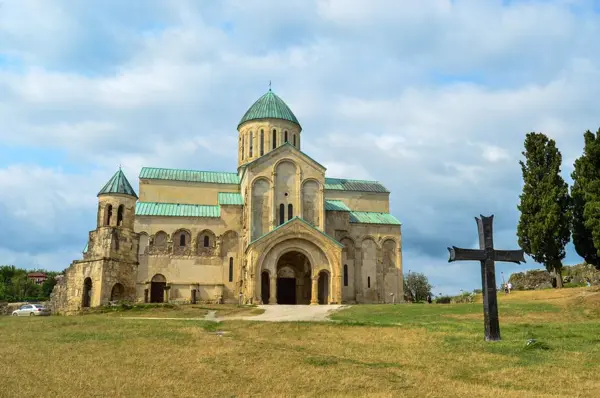
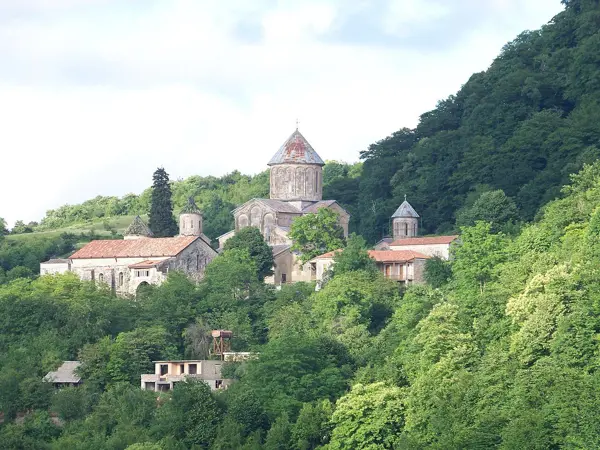
Kutaisi spans the rushing green waters of the Rioni River in western Georgia's Imereti region, framed by low, forested foothills. Walking through the center feels intimate and unhurried. Iron balconies overhang cobblestone alleys, vine-draped courtyards hide quiet bakeries, and the river roars over white limestone boulders directly through the heart of town. As the ancient seat of Colchis dating to the sixth century BC, the city anchors centuries of Georgian statehood. High on Ukimerioni Hill stands Bagrati Cathedral, consecrated in 1003 by King Bagrat III as a grand symbol of united Georgia. A short drive into the hills leads to Gelati Monastery, founded in 1106 by King David the Builder and celebrated for its medieval academy and surviving Byzantine-style mosaics. Down in the city center, the tiered Colchis Fountain displays oversized brass replicas of ancient golden animal figurines unearthed in regional archaeological digs. Mornings belong to the Green Bazaar, where vendors offer wheels of salted Imeretian cheese, walnut paste, and fresh tarragon under a Soviet-era bas-relief facade. Each year on May 2, residents celebrate Kutaisoba, filling the central parks with polyphonic singing, traditional dress, and communal feasts. Late spring and early autumn provide the mildest weather for exploring. Most neighborhood streets are easily navigated on foot, while inexpensive marshrutkas run regularly from the center to surrounding monasteries and canyon trails.
Read more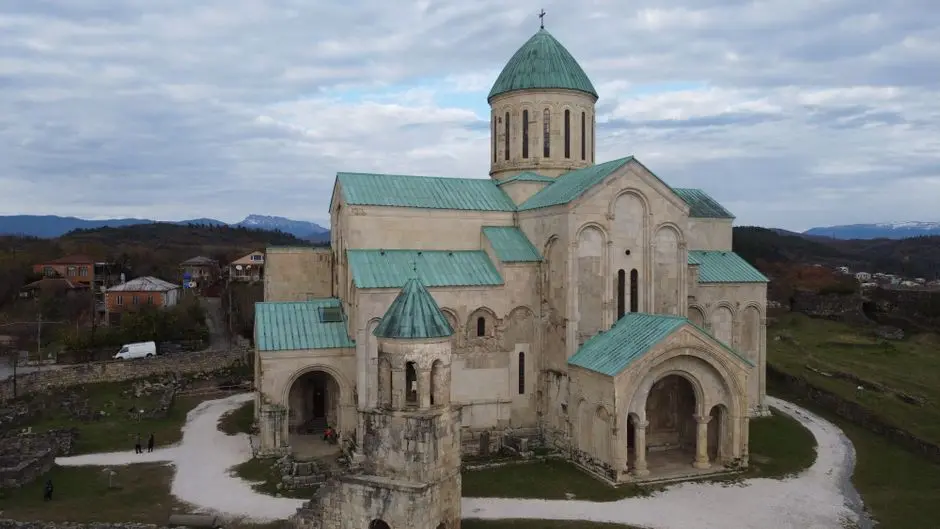
What to see in Kutaisi
Guides & drivers nearby
Travel guides for Kutaisi
Photo credits (2)
- James Emery from Douglasville, United States, CC BY 2.0, via Wikimedia Commons
- Jaba1977, CC BY-SA 4.0, via Wikimedia Commons