
Montenegro
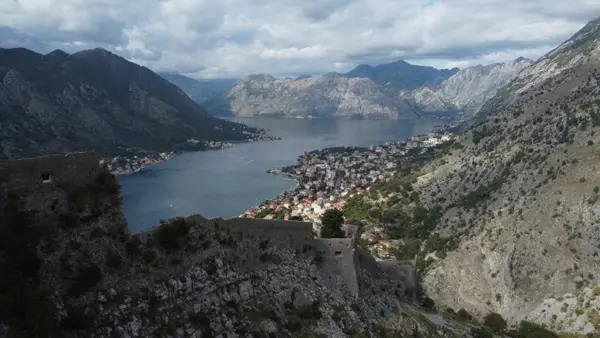
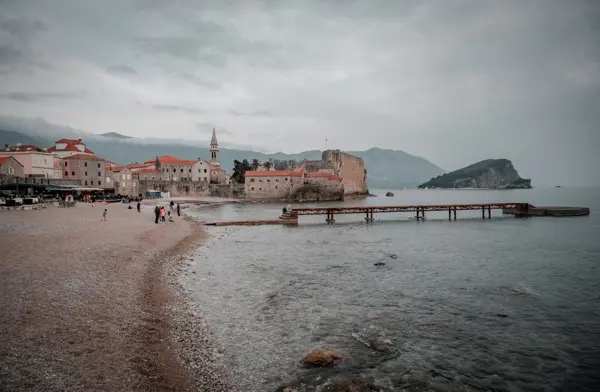
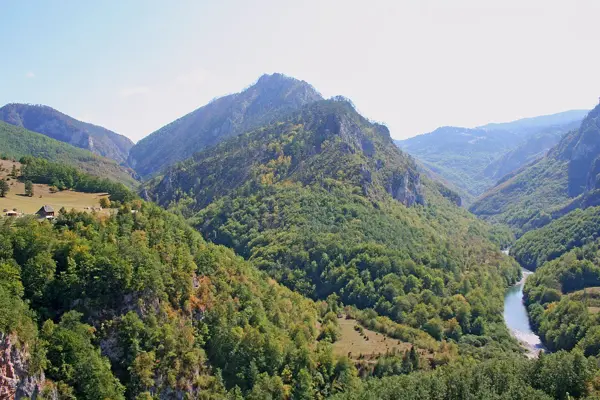
Montenegro packs severe geological contrasts into a pocket-sized territory. Along the southern edge, the Adriatic coast cuts sharply into the Bay of Kotor, a drowned river canyon where sheer limestone cliffs plunge straight into saltwater. Inland, the Mediterranean scrub yields rapidly to the barren gray karst of the central ranges, before rising into the alpine peaks and glacial cirques of Durmitor National Park. Between these extremes lie the marshy reed beds of Lake Skadar and the broad plains of the capital, Podgorica, while fortified towns like Kotor and the former royal seat of Cetinje anchor the country between sea and stone. Centuries of imperial friction shaped the architecture and daily customs across these valleys. Venetian stonemasons left their mark on the fortified harbors and baroque palazzi of the coast, while Ottoman rule across the eastern towns introduced stone clock towers, minarets, and copper-pot coffee rituals that remain common today. High in the inland mountains, the legacy of the nineteenth-century poet-ruler Petar II Petrović-Njegoš endures in local memory and in the Balkan tradition of epic storytelling accompanied by the single-stringed gusle. The result is a layered society where Eastern Orthodox, Catholic, and Islamic traditions exist within close reach of one another. Everyday hospitality centers on generous tables, where hosts routinely welcome newcomers with a shot of homemade loza, a clear grape brandy, accompanied by warm dough fritters known as priganice. Highland taverns serve heavy platters of kačamak, a slow-cooked mash of potatoes, cornmeal, and melted kajmak cheese, paired with cured ham from Njeguši and robust red Vranac wine. The most comfortable seasons to travel are May to June and September to October, avoiding the midsummer coastal gridlock while keeping high-elevation trails accessible. When visiting, rent a compact car rather than an oversized vehicle; the notorious serpentine mountain passes are often single-track roads that require precise reversing to let oncoming logging trucks or buses squeeze past.
Read more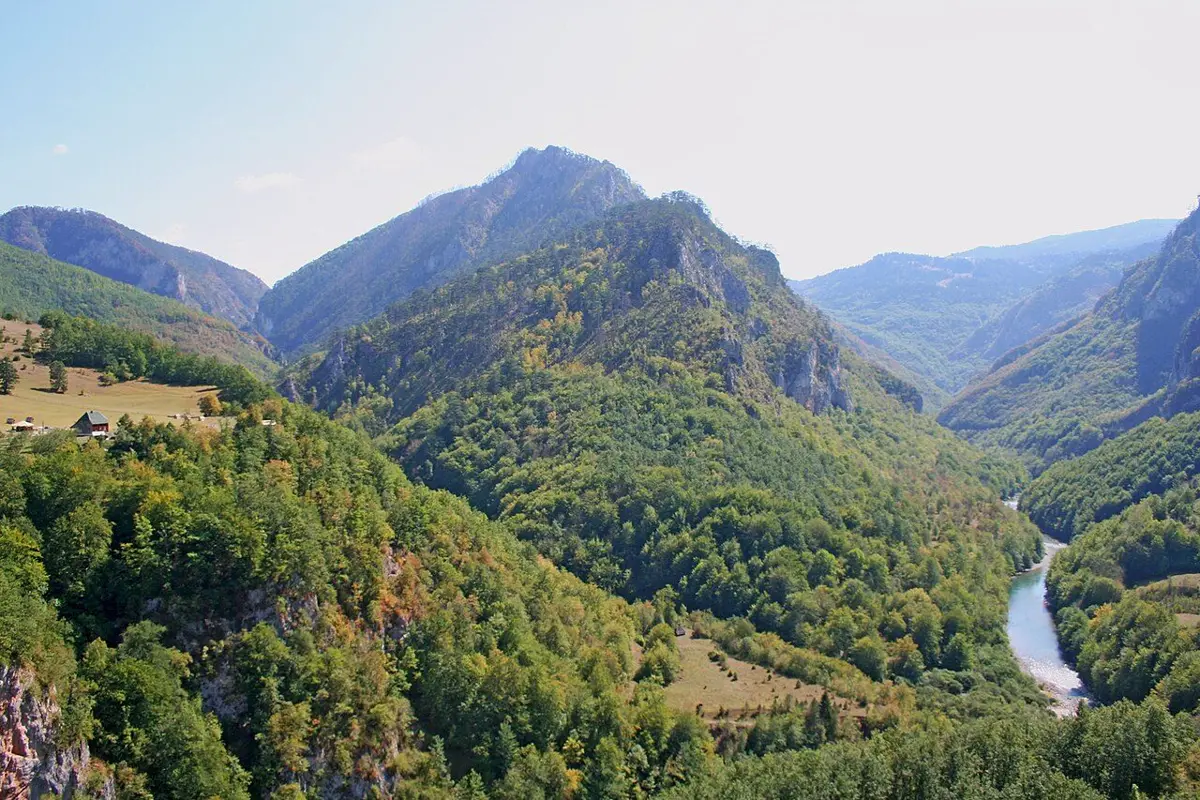
Book locals in Montenegro
What's on in Montenegro
Festive multi-week winter celebration featuring an open-air ice rink, Christmas bazaar stalls, and concerts throughout Kotor.
Official infoScenic coastal running event along the Bay of Kotor from Tivat to Kotor, featuring marathon, half marathon, 10K, and 5K races.
Official infoPortonovi marina village transforms with a seaside ice rink, festive holiday market stalls, live concerts, and children's entertainment.
Official infoSpectacular multi-day open-air celebration outside Budva's Old Town walls featuring concerts by regional music stars and classical performances.
Official infoLively New Year celebration within Kotor's historic medieval walls on the Square of Arms, featuring concerts by big bands and regional headliners.
Official infoFour nights of open-air waterfront concerts along Tivat's Pine promenade featuring well-known regional performers and festive chalets.
Official infoThree-day open-air New Year festival under the historic Clock Tower, with live music concerts, daytime festivities, and children's programs.
Official infoPublic holiday: expect celebrations and events; offices and some shops may be closed.
Fun annual New Year footrace featuring a 5 km course for adults beneath sparkling holiday lights and dedicated races for kids.
Official infoEvents are collected automatically from the web. Dates can change, so please check the official information before you travel.
Where to go in Montenegro
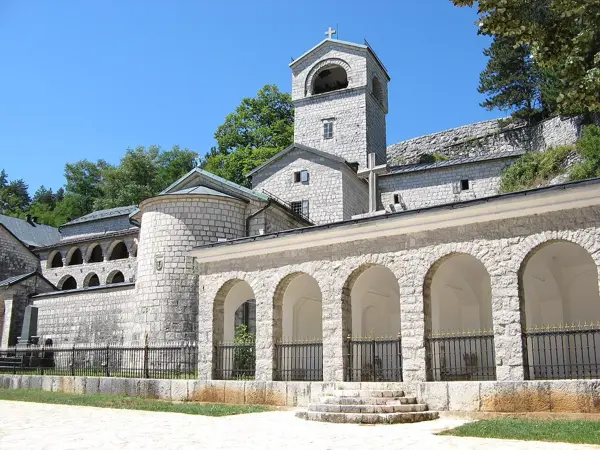
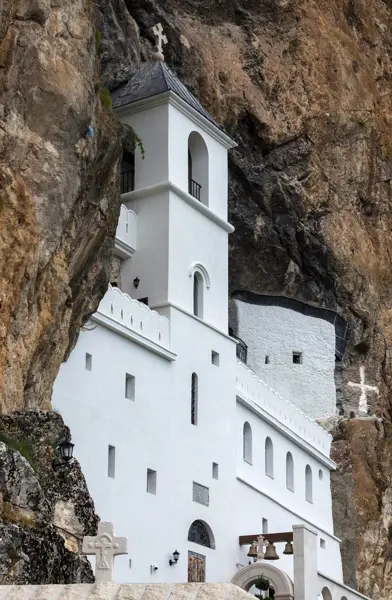
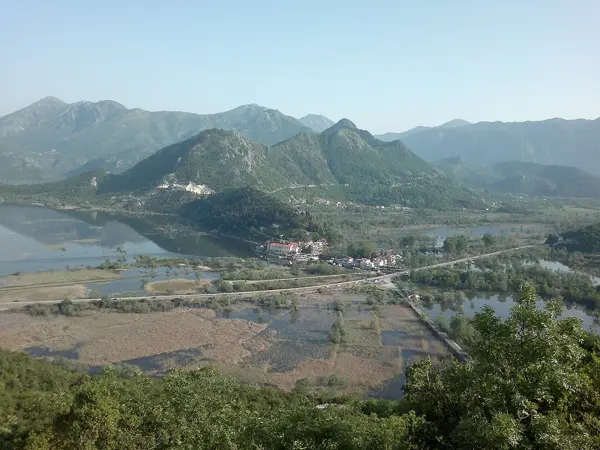
Sights of Montenegro
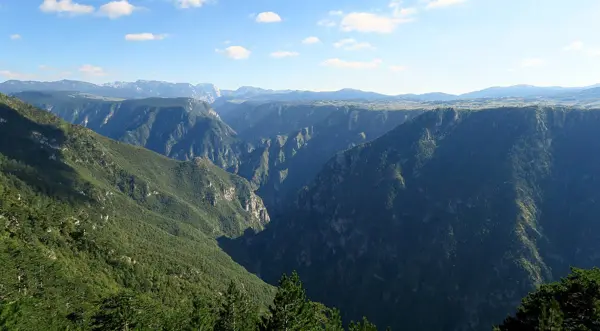
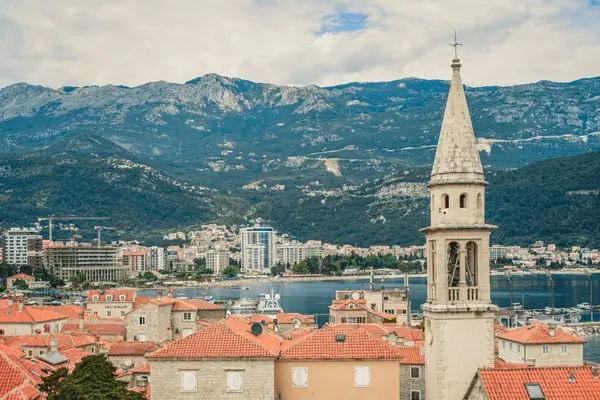
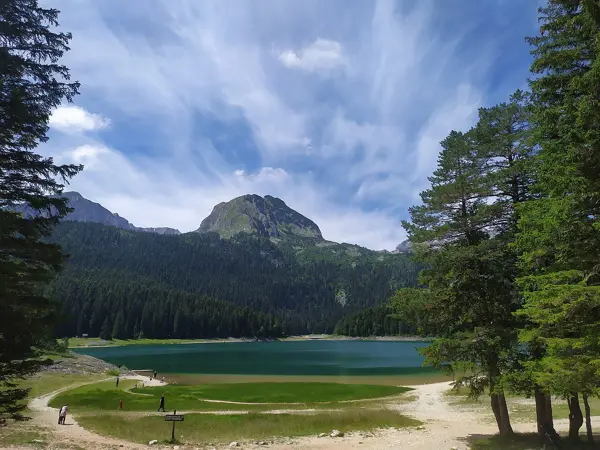
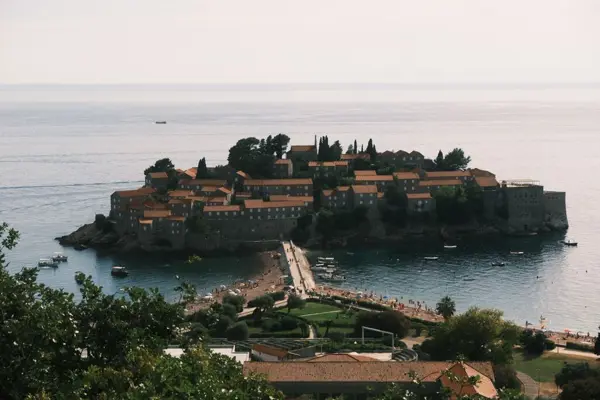
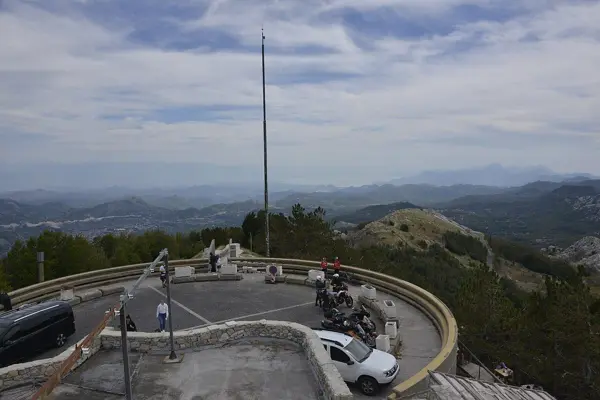
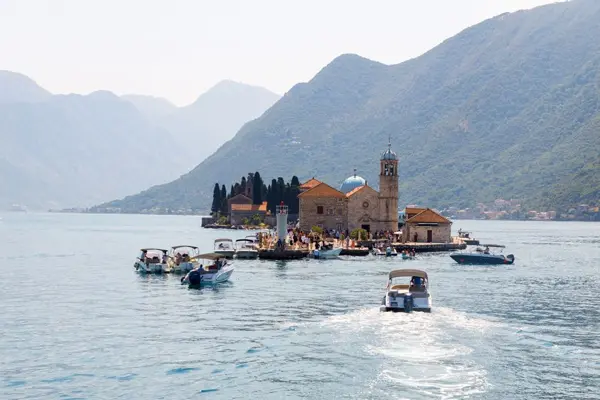
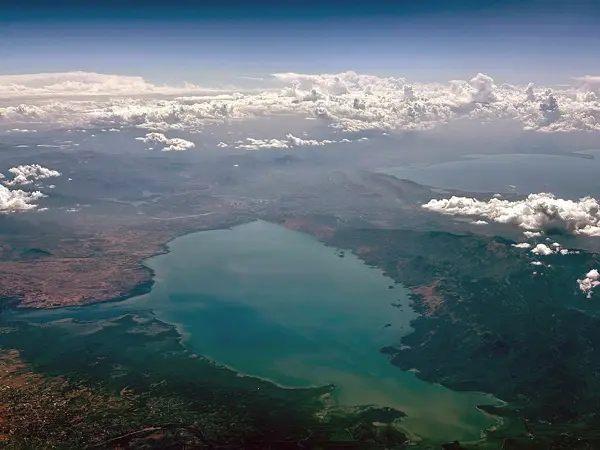
Photo credits (8)
- Michael Tyler, CC BY-SA 2.0, via Wikimedia Commons
- Koroner, CC BY-SA 3.0, via Wikimedia Commons
- Alexey Komarov, CC BY 3.0, via Wikimedia Commons
- Antidiskriminator, CC BY-SA 3.0, via Wikimedia Commons
- Milan Radovic, CC BY-SA 4.0, via Wikimedia Commons
- Mathieu Mars, CC BY-SA 4.0, via Wikimedia Commons
- Miomir Magdevski, CC BY-SA 4.0, via Wikimedia Commons
- kallerna, CC BY-SA 4.0, via Wikimedia Commons