
Durmitor National Park
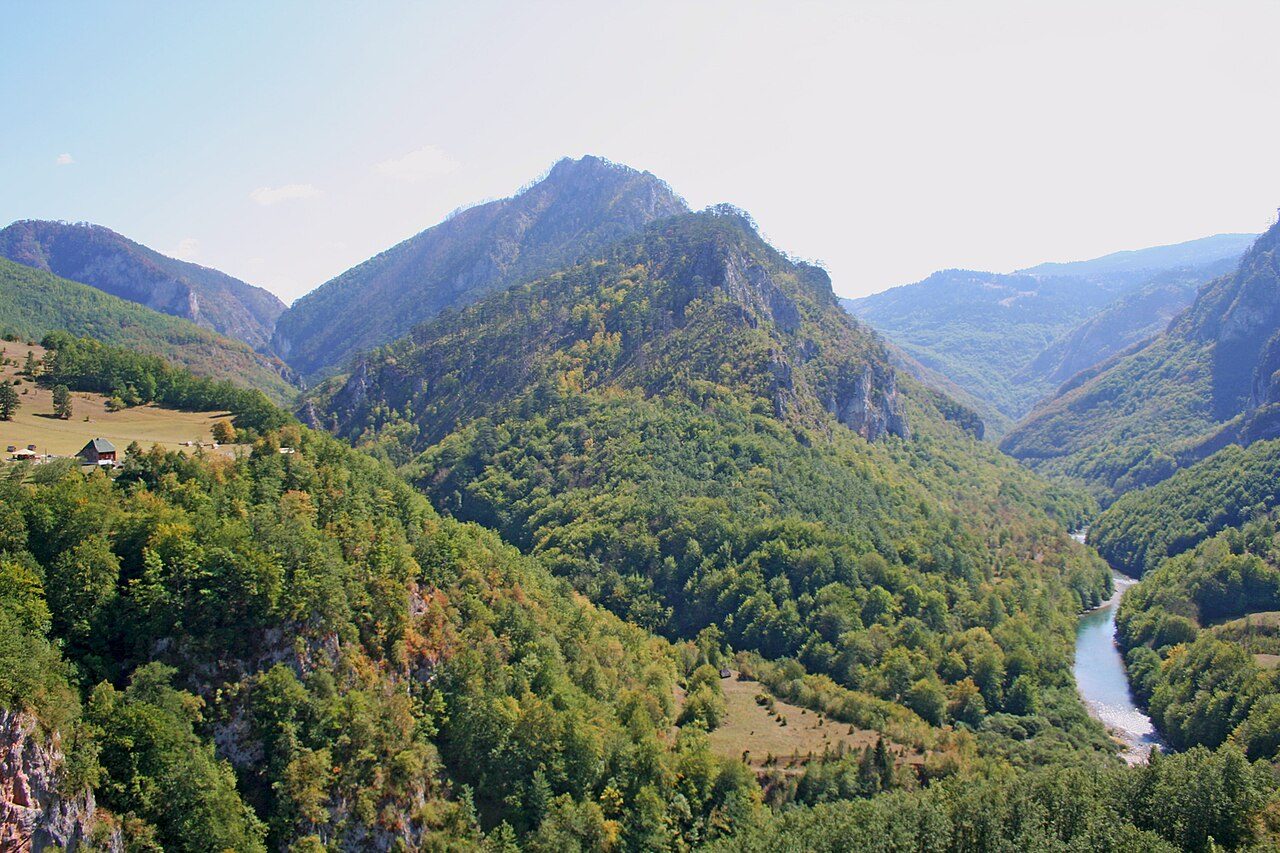
Carved during the Pleistocene epoch and shaped by centuries of pastoral transhumance, this limestone massif attained protected status in 1952 before securing UNESCO World Heritage recognition in 1980. Beyond its prehistoric geology, Durmitor provided strategic sanctuary for Josip Broz Tito and his partisan resistance fighters during the pivotal 1943 Battle of the Sutjeska, when guerrilla battalions hid within its mist-shrouded ravines. Centuries earlier, medieval highland clans traversed these subalpine ridges, leaving behind the mysterious *stećci*—14th-century carved limestone funerary monuments that still endure across the windswept Bare Žugića necropolis just south of Žabljak. Standing along the pine-fringed shore of Crno Jezero (Black Lake), visitors confront a stark world of glacial clarity where the towering double peak of Međed casts deep obsidian shadows across indigo water. Eighteen distinct glacial tarns, known locally as *Gorske Oči* or "Mountain Eyes," puncture the plateau, culminating in the 2,523-meter summit horn of Bobotov Kuk. The biting alpine wind carries the sharp resin of old-growth black pines from the Crna Poda reserve, while to the east, the earth abruptly shears away into the Tara River Canyon—a colossal limestone abyss dropping 1,300 meters down to foaming turquoise rapids.
More in Zabljak
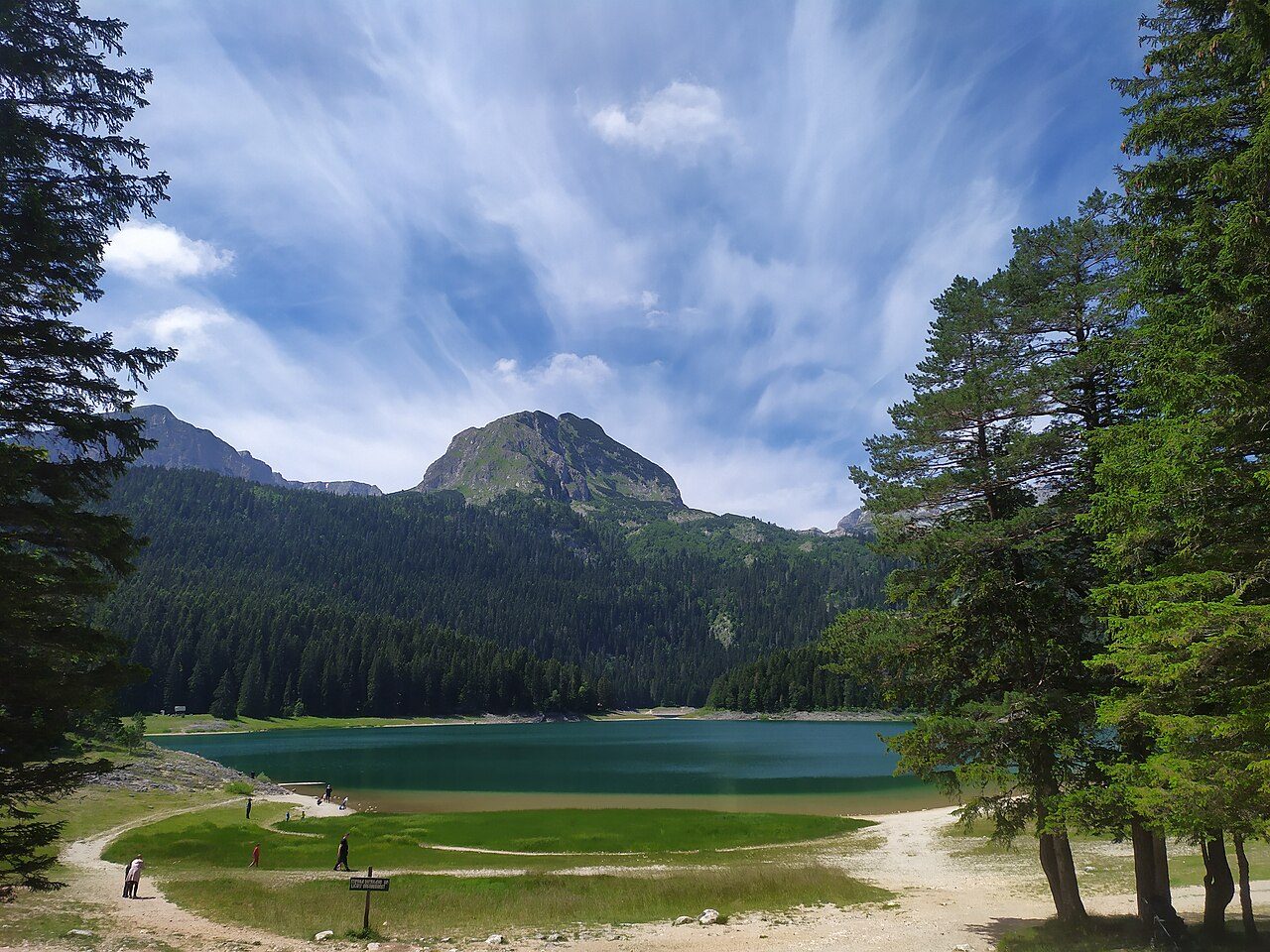
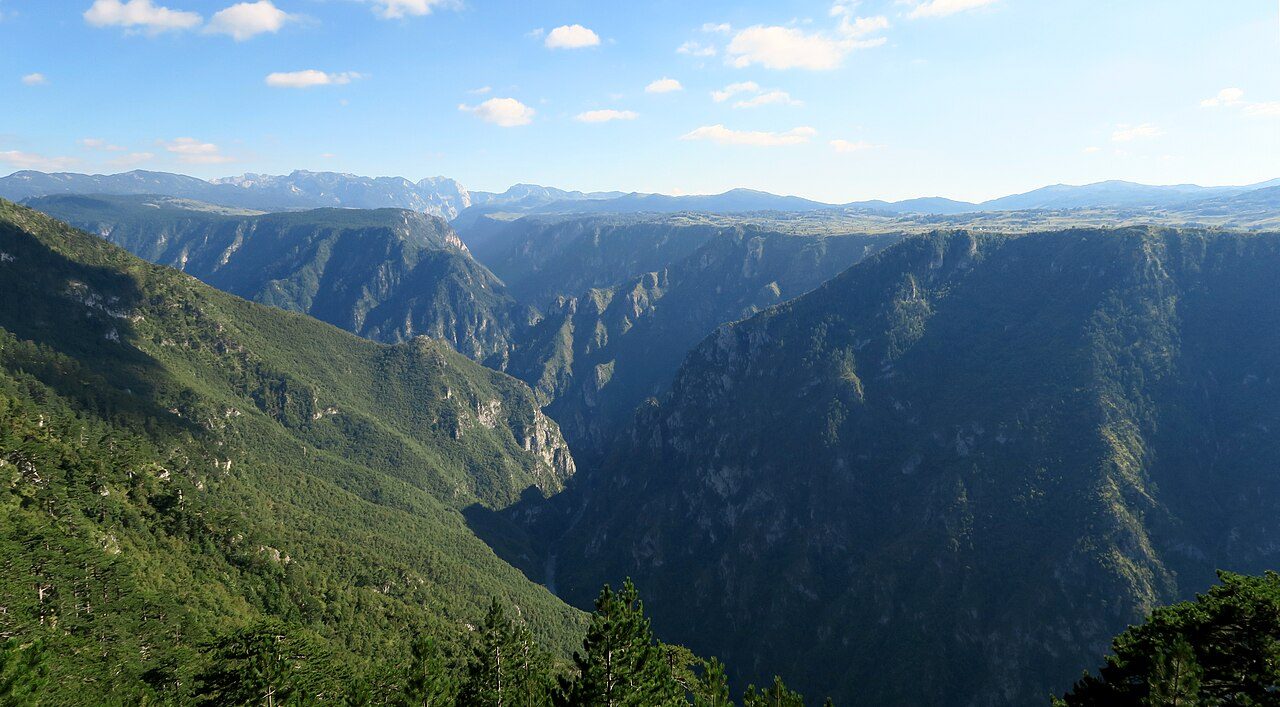
Photo credits (3)
- Michael Tyler, CC BY-SA 2.0, via Wikimedia Commons
- Mathieu Mars, CC BY-SA 4.0, via Wikimedia Commons
- Milan Radovic, CC BY-SA 4.0, via Wikimedia Commons