
Zabljak
Set at 1,450 meters above sea level on the Durmitor plateau in northern Montenegro, Zabljak is the highest town in the Balkans. Walking through its compact streets feels bracing and rugged, where steep-pitched timber chalets sit against the limestone wall of the Durmitor range. Pine smoke drifts from chimneys well into spring, and dirt lanes lead directly from the edge of town into dark spruce forests and glacial valleys. Originally known as Varezina Voda, the settlement was renamed Zabljak in 1882, the same year Prince Nikola commissioned the stone Church of the Holy Transfiguration. Razed during World War II, the town was rebuilt as a mountaineering and forestry hub. Three kilometers west lies Crno Jezero, a glacial lake split into twin basins under the shadow of Medjed peak. Down the valley stands the five-arched 1940 Đurđevića Tara Bridge over the deep Tara River Canyon, while the scree slopes of Bobotov Kuk challenge alpine hikers. Evening tables at rustic konobas feature kacamak, a dense maize porridge pounded with potatoes and salty Durmitor skorup cheese. In mid-July, the Days of Mountain Flowers festival gathers locals for folk music and traditional sports. The town itself is easily navigated on foot, but renting a car is essential to reach distant trailheads and canyon viewpoints. Visit between July and September for dry hiking conditions, or from January to March if you plan to ski on the slopes of nearby Savin Kuk.
Read more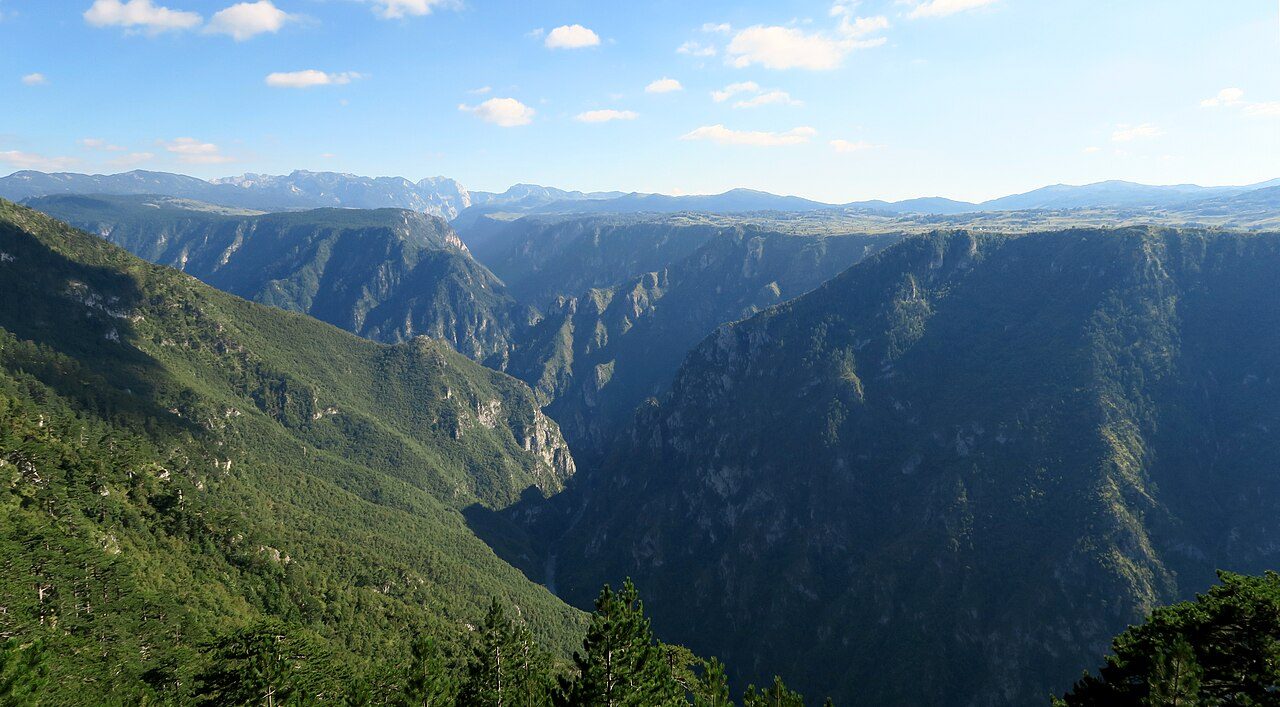
What to see in Zabljak
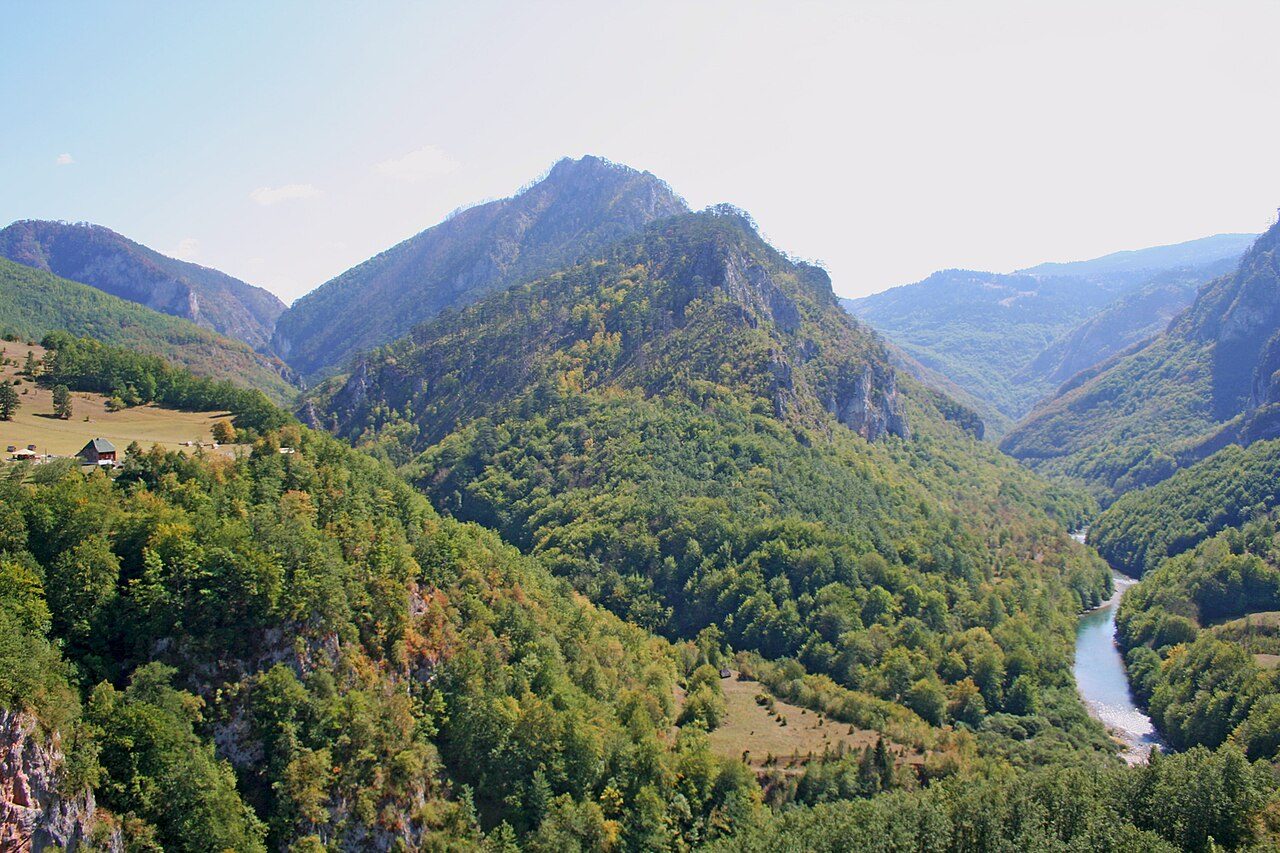
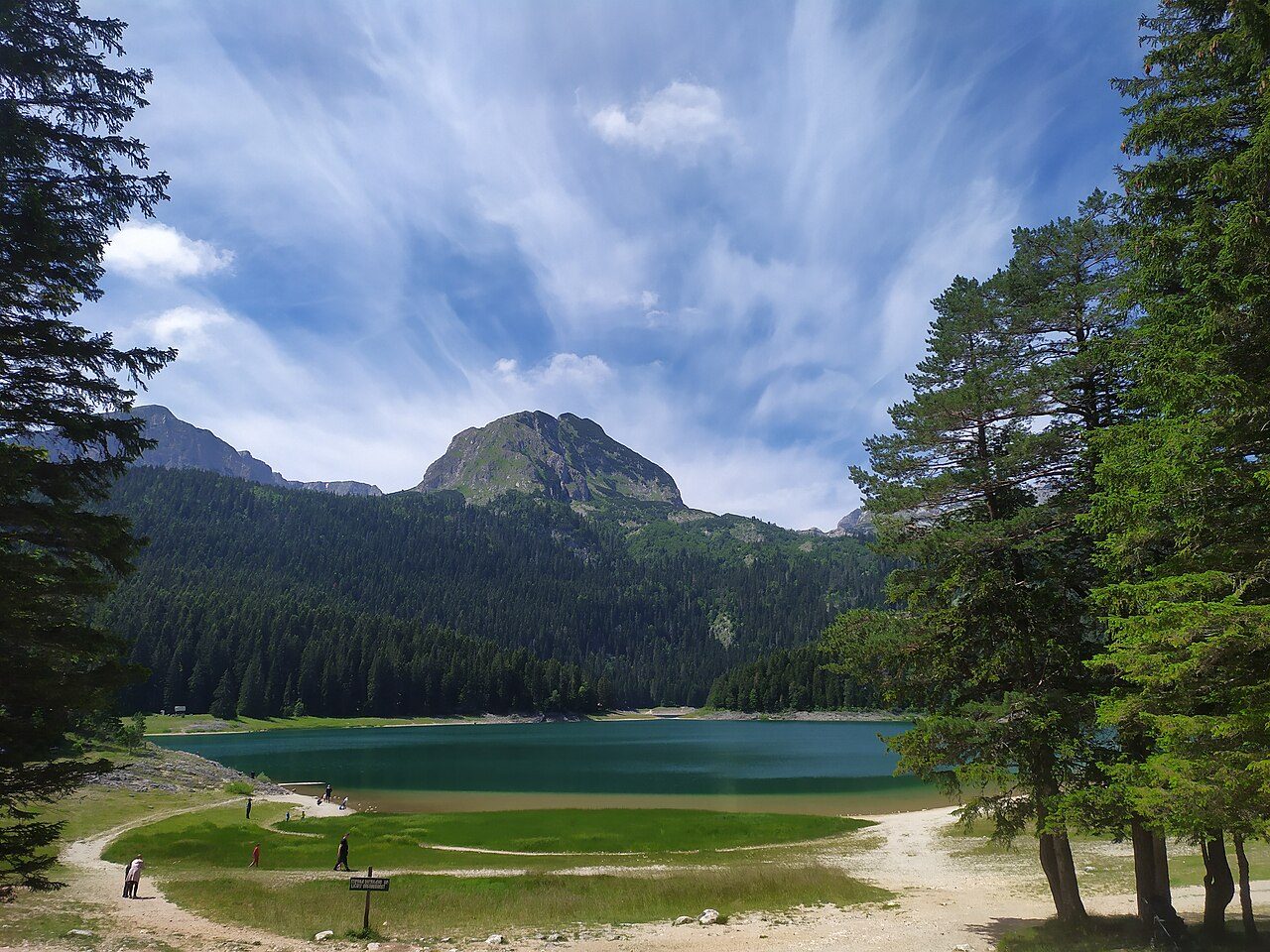
Photo credits (3)
- Milan Radovic, CC BY-SA 4.0, via Wikimedia Commons
- Michael Tyler, CC BY-SA 2.0, via Wikimedia Commons
- Mathieu Mars, CC BY-SA 4.0, via Wikimedia Commons