Virpazar
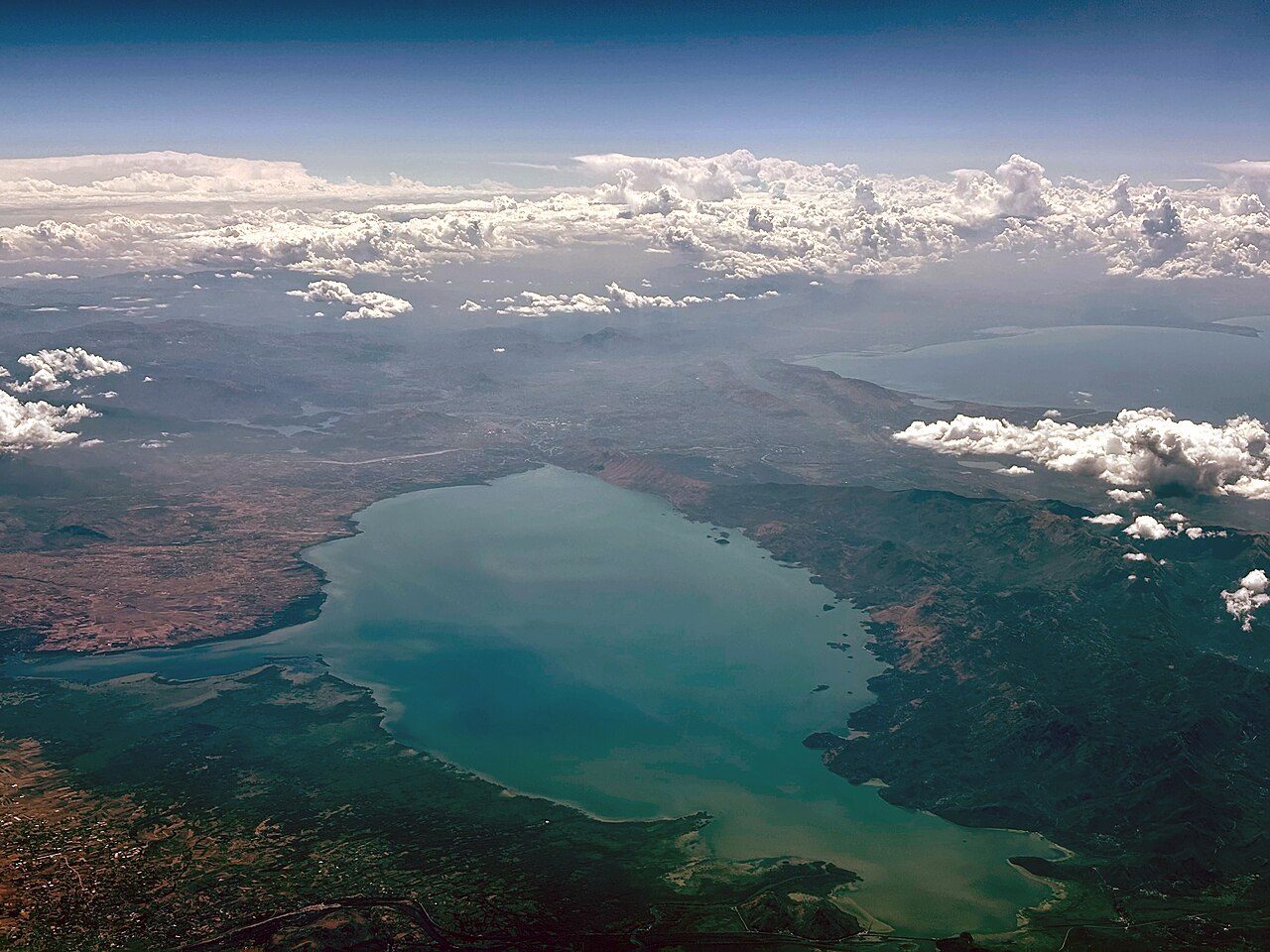
Virpazar rests in the fertile Crmnica basin where the Crmnica and Orahovstica rivers converge before spilling into the shallows of Lake Skadar. Hemmed in by limestone hills, the settlement centers on a compact stone square shaded by plane trees, where wooden skiffs tie up along willow-draped canals. Walking its short lanes feels quiet and unhurried; the scent of lake reed mingles with woodsmoke, and the enclosing karst mountains block the coastal bustle found just over the ridge. First documented in the thirteenth century as a market hub, the village expanded into a strategic border outpost between Montenegro and the Ottoman Empire. High above the houses stands Besac Fortress, built by the Ottomans in 1478, overlooking wide expanses of water lilies. Down in the center, an arched nineteenth-century stone bridge crosses the riverbed, leading toward the granite monument that commemorates the Montenegrin partisan uprising of July 13, 1941. Across the open water rests Grmozur, an abandoned nineteenth-century prison fortress constructed on a rocky islet. Local tables run on dark Crmnica Vranac wine and fresh lake fish, particularly pan-fried carp and dried bleak, both celebrated each winter during the Festival of Wine and Bleak. Virpazar connects directly to the regional railway line running between Podgorica and the port of Bar, making it simple to reach without a car. For the calmest conditions, visit in May or late September and hire a traditional wooden boat at dawn, when the morning mist clings to the channels and pelicans feed along the reeds.
Read more