
Cetinje
Tucked into a karst basin beneath the limestone slopes of Mount Lovćen, Cetinje serves as the historical heart of Montenegro. The Adriatic coast sits just over the mountain ridge, yet here the maritime rush gives way to high-altitude quiet. Walking along pedestrian Njegoševa Street reveals a dignified townscape of pastel facades, broad lime-tree avenues, and low-rise stone villas built during the golden age of Montenegrin independence. Founded in 1482 by ruler Ivan Crnojević as a mountain stronghold against Ottoman forces, the town grew into the country's royal capital. Cetinje Monastery anchors the center, holding centuries of Orthodox relics beneath the slopes of Eagle's Rock. Directly adjacent stands the Biljarda, fortified in 1838 for prince-bishop Petar II Petrović-Njegoš and named for the first billiard table carried across the mountains. Across the square, King Nikola’s Palace showcases the domestic quarters of the Petrović dynasty, while the distinct Art Nouveau and Neoclassical facades of the former French and Russian embassies reflect late-nineteenth-century European diplomacy. Life centers on outdoor cafe tables and the morning market, known for wheels of raw-milk cheese and air-dried prosciutto brought down from the nearby mountain village of Njeguši. At dusk, residents observe the korzo, an unhurried evening promenade through the pedestrian core that enlivens during the Cetinje Cultural Summer. The town is small enough to navigate entirely on foot. Visit between May and October, arriving before midday when coastal day-trippers arrive, to experience the crisp mountain air and unhurried rhythm at their best.
Read more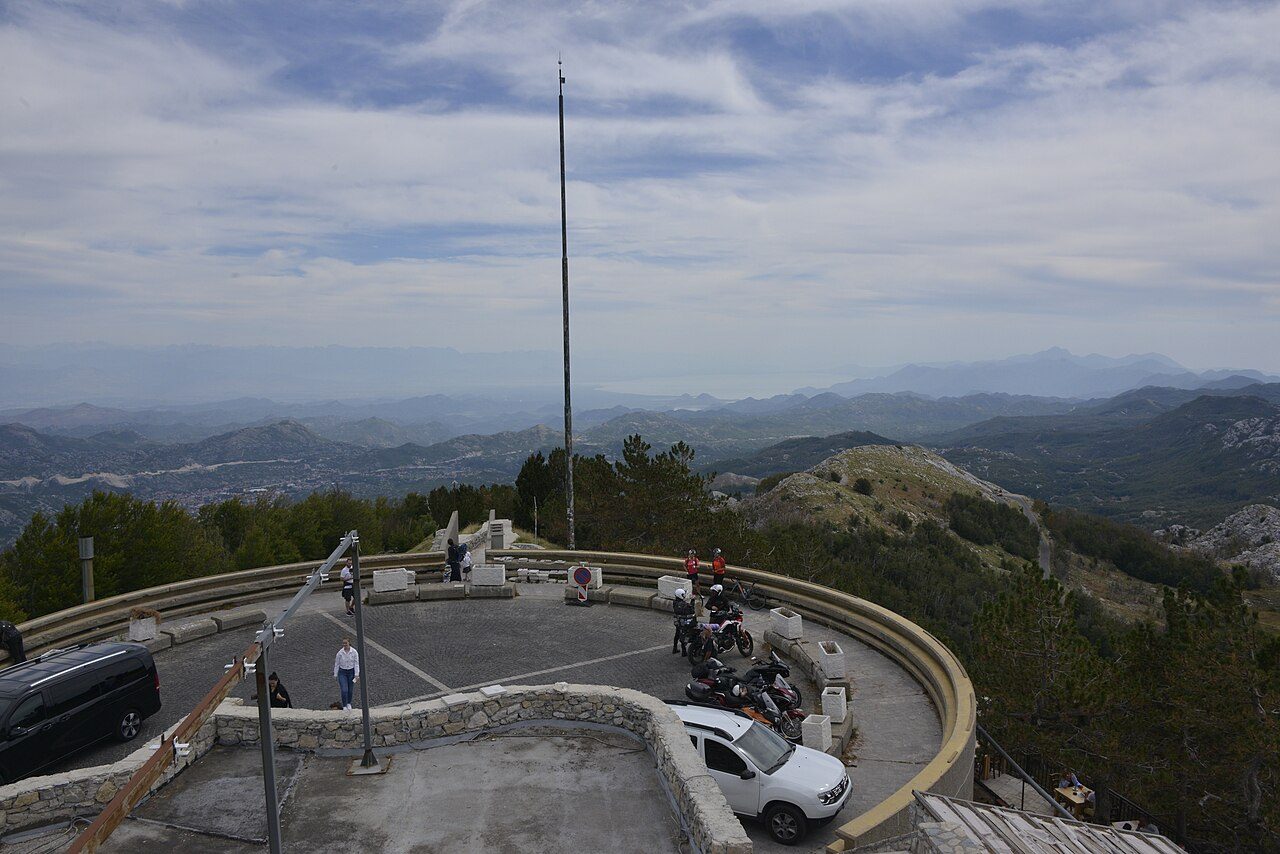
What to see in Cetinje
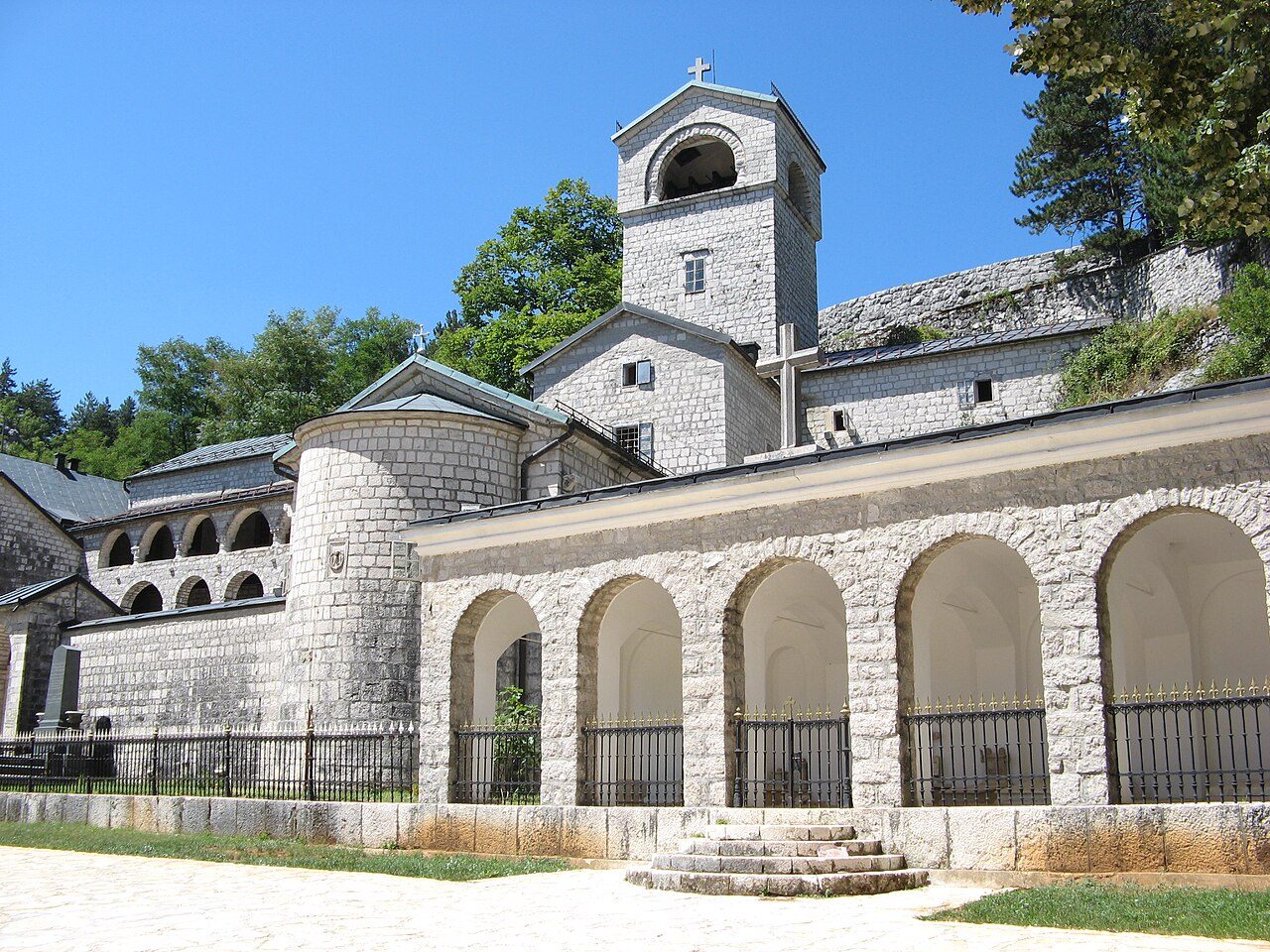
Photo credits (2)
- Miomir Magdevski, CC BY-SA 4.0, via Wikimedia Commons
- Koroner, CC BY-SA 3.0, via Wikimedia Commons