Deciding where to go in Hungary starts with the grand architecture of Budapest before branching into regional wine hills, castles, and lakes. This practical guide highlights the essential destinations and sights to include in your itinerary.
When planning where to go in Hungary, start with the capital city of Budapest, then travel northeast to historic Eger and west toward Lake Balaton through Veszprem. Beyond these primary hubs, the country rewards travelers with the living heritage of Hollókő Old Village, the steppes of Hortobágy National Park, and the historic vineyards of the Tokaj Wine Region. These core regions present an accessible blend of imperial history, rural folklore, and distinct regional landscapes across Hungary.
Essential Cities and Regions to Visit
Budapest serves as the central anchor for any journey through Hungary. Bisected by the Danube River, the city divides naturally into the hilly terrain of Buda and the broad boulevards of Pest. Buda is home to royal institutions and cobblestone lanes, while Pest houses political centers, commercial districts, and lively neighborhood squares. Most travelers allocate at least three full days to explore the capital before venturing into the countryside.
Heading northeast into the Bükk foothills brings you to Eger, an essential stop for travelers interested in Hungarian defense history and viticulture. The town is famous for its baroque architecture, thermal baths, and deep wine cellars. It also functions as a convenient base for day trips across northern Hungary and onto the Great Hungarian Plain.
To the southwest lies Veszprem, known historically as the City of Queens due to its role in crowning Hungary's early royal consorts. Veszprem sits just north of Lake Balaton, Central Europe's largest freshwater lake. Using Veszprem as a gateway lets you explore scenic peninsulas, calm shorelines, and basalt volcanic hills that frame the northern side of the lake.
Top Historic Sights Across the Country
Architectural Landmarks of Budapest
The riverside skyline of Pest is defined by the Hungarian Parliament Building. Constructed between 1896 and 1904 following the designs of Imre Steindl, this Neo-Gothic landmark features soaring spires, symmetrical wings, and limestone facades facing the water. Across the river on Castle Hill, Fisherman’s Bastion offers panoramic terraces with chalk-white Neo-Romanesque ramparts and decorative towers built to mark the millennial anniversary of the Hungarian state.
Connecting the two sides of the capital is the Budapest Chain Bridge, an engineering triumph conceived by Count István Széchenyi. Walking across the span provides views of river traffic and the surrounding hills. Further east along Andrássy Avenue, Heroes' Square displays statues of the seven Magyar chieftains and significant national leaders around the Millennium Monument.
Regional Castles and Monasteries
In northern Hungary, Eger Castle stands high above the town's tiled roofs. The fortress gained legendary status during the 1552 Ottoman siege, when Captain István Dobó led an outnumbered garrison to resist the invading forces. Visitors can walk the preserved ramparts, underground casemates, and museum halls documenting centuries of border warfare.
Near Lake Balaton, the Tihany Abbey & Peninsula rises above the water on a volcanic promontory. Established in 1055 by King Andrew I, the Benedictine abbey houses a preserved crypt containing the monarch's tomb. The surrounding village is known for its thatched cottages, quiet walking trails, and open views over the lake's blue waters.
Countryside and Cultural Landscapes
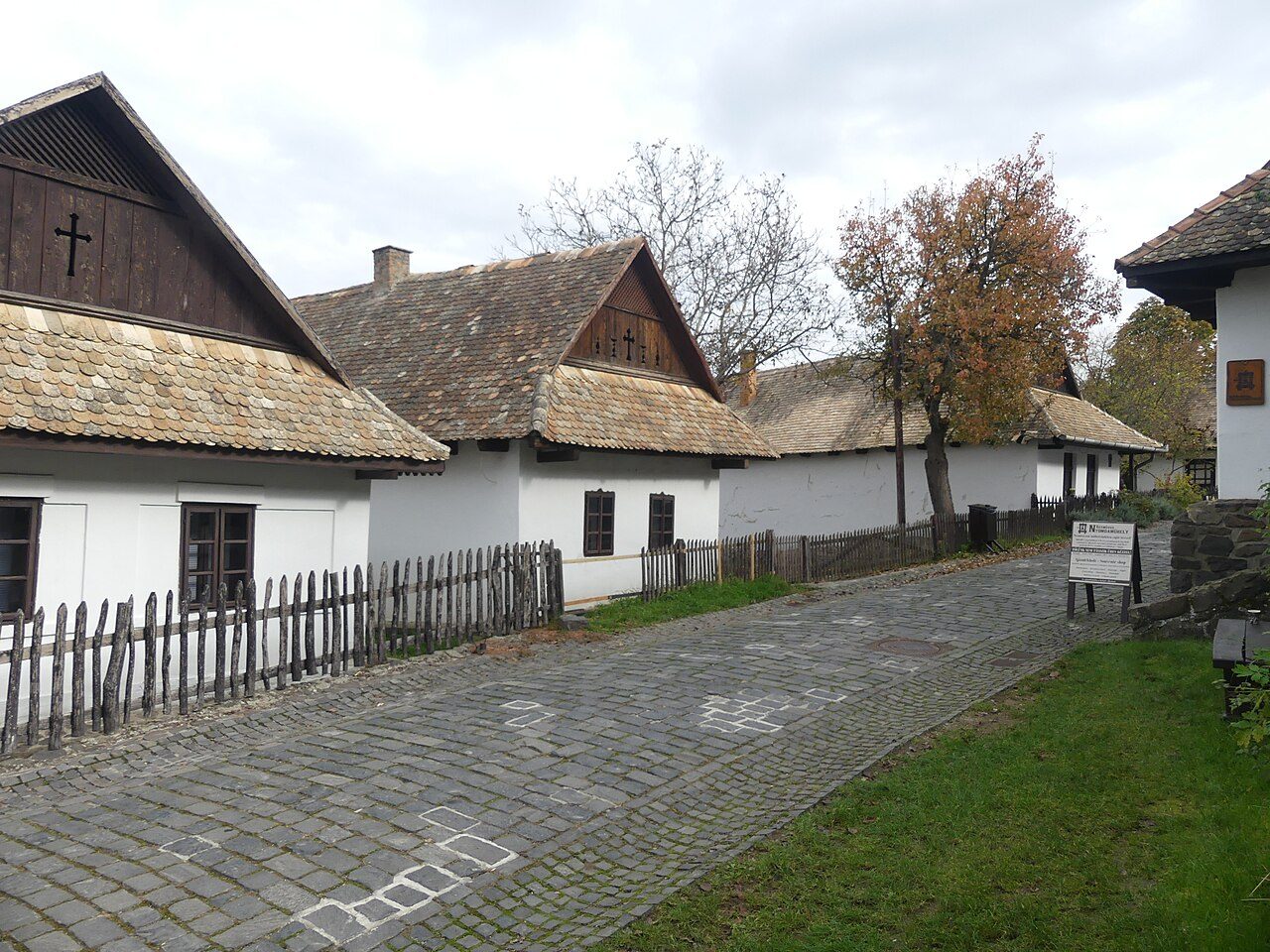
Travelers interested in traditional village life should visit Hollókő Old Village. Located in the Cserhát hills, this settlement preserves the timber-and-plaster vernacular architecture of the Palóc folk culture. The village remains an active, inhabited community where craftspeople, weavers, and local cooks maintain regional customs.
Further east, the Tokaj Wine Region occupies volcanic hills where sweet Aszú wines have been produced for centuries under historic classification systems. For an entirely different landscape, Hortobágy National Park preserves Europe's largest continuous alkaline steppe. The park protects traditional pastoral lifestyles, grey cattle herds, and historic stone bridges stretching across open horizons.
Suggested 7-Day Travel Itinerary
- Day 1: Arrive in Budapest. Explore the riverfront, walk across the Budapest Chain Bridge, and visit the Hungarian Parliament Building.
- Day 2: Tour the Buda Castle district, photograph the Danube from Fisherman’s Bastion, and spend the afternoon at Heroes' Square.
- Day 3: Travel north into the hills to visit Hollókő Old Village before continuing east to Eger for an evening walk through the baroque town center.
- Day 4: Spend the morning exploring Eger Castle and its historical ramparts, followed by an afternoon excursion to Hortobágy National Park.
- Day 5: Journey into the Tokaj Wine Region to tour historic underground cellars and learn about local sweet wine production.
- Day 6: Cross westward to Veszprem, walking through its historic castle quarter before heading down to the Tihany Abbey & Peninsula at Lake Balaton.
- Day 7: Enjoy morning walks along Lake Balaton before returning to Budapest for your departure or onward journey.
How to Get Around Hungary
Hungary features a centralized transportation network based in Budapest. State railways connect the capital to major regional hubs like Eger and Veszprem with direct, regular services. Regional buses supplement train routes to reach smaller settlements such as Hollókő.
If you prefer to move between remote sights without navigating multi-step rural transfers, booking a local driver or private tour on Tour & Car provides direct transit. Having private transport is particularly useful when combining stops in Tokaj and Hortobágy within a single weekend.
Travel Costs and Budgeting
Hungary uses the Hungarian Forint (HUF) rather than the euro for everyday transactions. While international bank cards are widely accepted in Budapest and major tourist centers, carrying local cash is advisable for open-air markets, small rural bakeries, and regional craft shops.
Accommodations and dining in provincial towns such as Eger or Veszprem are generally more affordable than in the central districts of Budapest. Booking your guided experiences, intercity transfers, and driving services in advance on Tour & Car ensures clear planning and avoids surprise expenses on the ground.
Best Time of Year to Visit
Late spring from May to June and early autumn from September to October provide the most comfortable weather for outdoor sightseeing, hiking, and vineyard visits. Summer brings warm days and energetic crowds to Lake Balaton, though city temperatures in Budapest can climb noticeably during July and August.
Winter offers festive atmospheric charm throughout the country. If you travel during late December, take note of regional public holidays. Christmas Day (25 Dec 2026), the Second Day of Christmas (26 Dec 2026), and New Year's Day (01 Jan 2027) bring closures to government offices, museums, and many private businesses, making these dates ideal for quiet walking tours and scenic thermal baths.
Practical Travel Tips for Hungary
- Purchase highway vignettes online or at fuel stations if you plan to drive a rental vehicle on national motorways.
- Always validate paper transit tickets immediately upon boarding trams, buses, or metro lines in Budapest to avoid spot fines.
- Book your interior admission for the Hungarian Parliament Building well ahead of time, as daily entry slots fill quickly during peak travel months.
- Wear sturdy footwear when visiting Eger Castle and Fisherman's Bastion, where cobblestones and historic stone stairways can be slick.