
Eger
Tucked into the southern foothills of the Bükk Mountains along the Eger Stream, this northern Hungarian city moves at an unhurried pace. Cobblestone lanes wind past pastel baroque townhouses and quiet courtyards, converging on the open space of Dobó Square. The town secured its place in Hungarian history in 1552, when Captain István Dobó and a small garrison held Eger Castle against the invading Ottoman army. Today, travelers can walk the restored fortress ramparts for views over the tiled rooftops, or climb the narrow spiral stairs of the nearby 40-meter-tall Ottoman Minaret, the northernmost surviving tower of its kind in Europe. Across the historic center stands the neoclassical Basilica, facing the late-baroque Lyceum with its historic library and an 18th-century camera obscura. A short walk south leads to the Szépasszony-völgy, or Valley of the Beautiful Woman, where dozens of wine cellars are carved directly into rhyolite tuff stone. Vintners here draw carafes of Egri Bikavér, the dark, spicy red blend known locally as Bull’s Blood, served with hearty bowls of wild boar stew. During the July wine festival, traditional music fills Dobó Square as local producers share fresh vintages. The entire center is easily explored on foot, and visiting in early autumn captures the grape harvest while avoiding the summer heat on the open castle walls.
Read more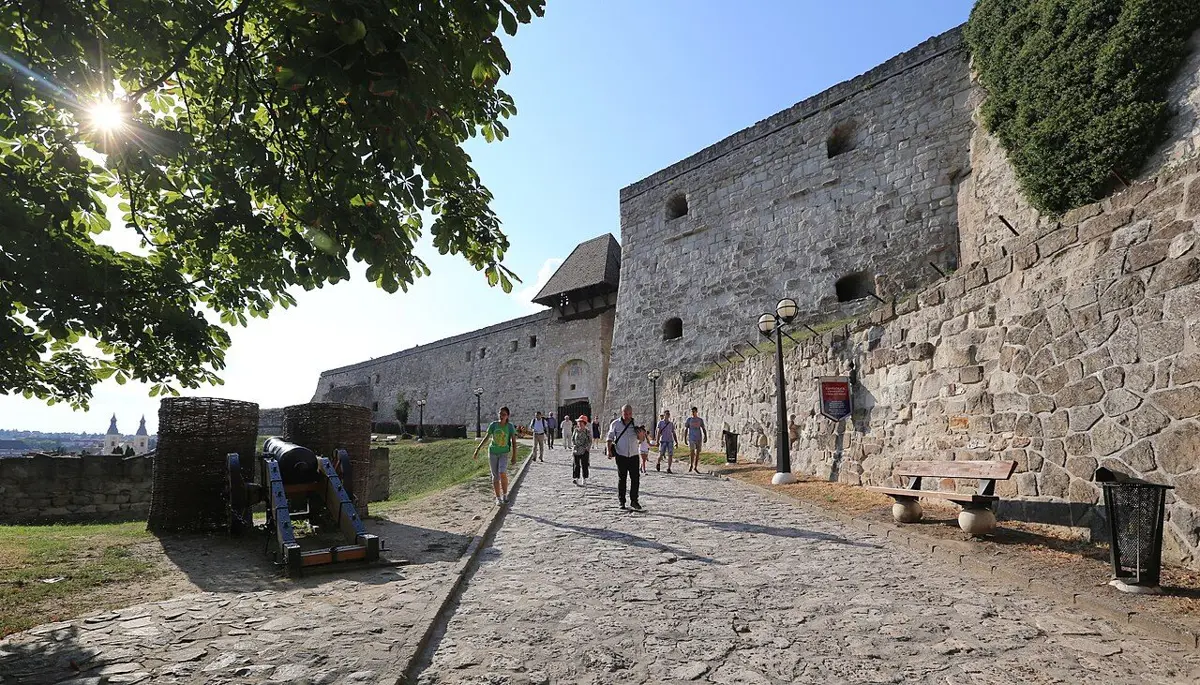
What's on in Eger
Festive holiday market on historic Dobó Square beneath Eger Castle, featuring artisan vendors, family programs, concerts, and mulled local Egri Bikavér.
Official infoEvents are collected automatically from the web. Dates can change, so please check the official information before you travel.
What to see in Eger
Travel guides for Eger
Photo credits (2)
- Thaler Tamas, CC BY-SA 4.0, via Wikimedia Commons
- Krzysztof Ziarnek, Kenraiz, CC BY-SA 4.0, via Wikimedia Commons