
 New added
Hortobágy National Park
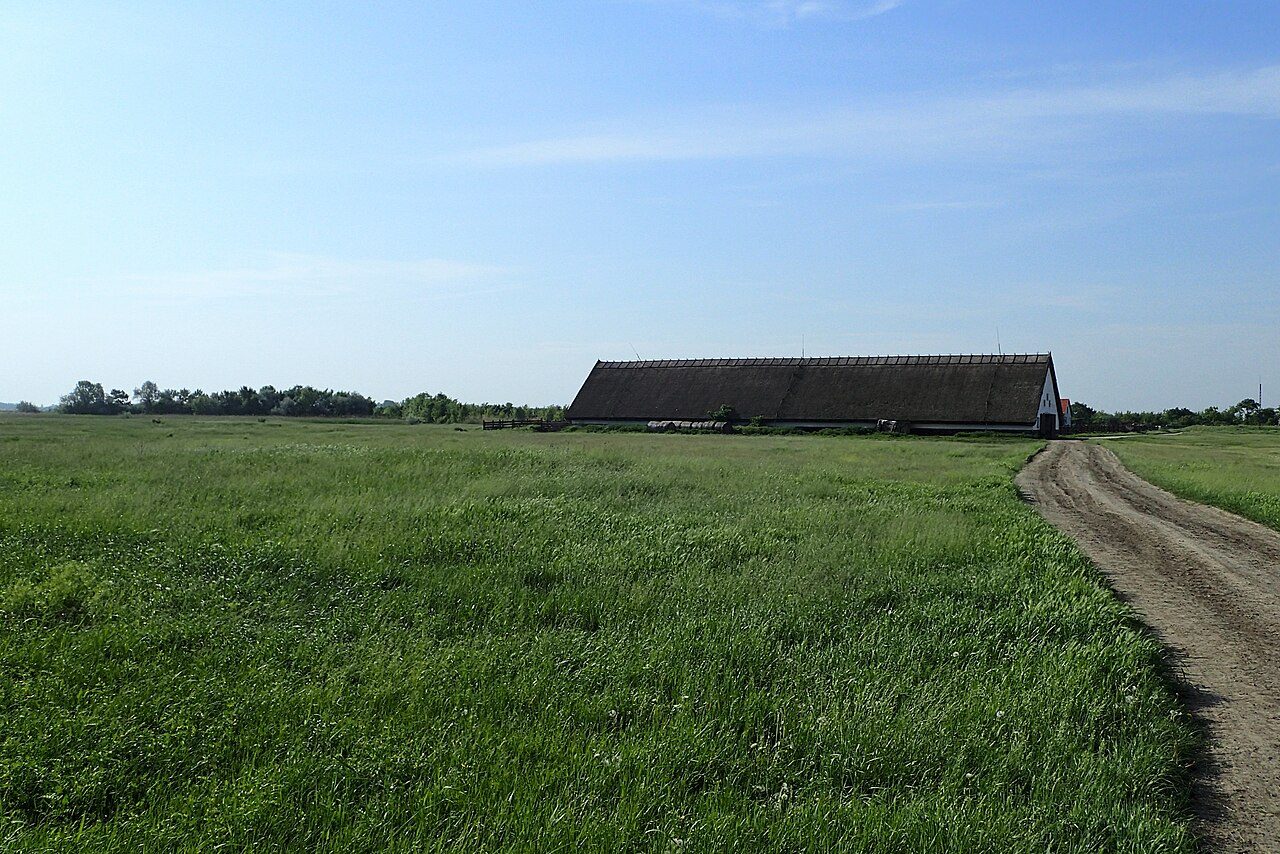
Sweeping across the Great Plain east of Eger’s volcanic hills, Europe’s largest continuous alkaline steppe preserves pastoral traditions virtually unbroken since the Arpád dynasty traversed the Carpathian Basin. Established in 1973 as Hungary’s first national park and designated a UNESCO World Heritage site in 1999, the preserve is architecturally anchored by the Nine-Hole Bridge (*Kilenclyukú híd*). Completed in 1833 by architect Ferenc Povolny, this 167-meter neoclassical stone bridge carried seasonal livestock drives along the historical Salt Road. Scattered around it are traditional whitewashed *csárda*—18th-century coaching inns roofed with thick reeds—and solitary, skeletal wooden sweep wells (*gémeskút*) piercing an immense, unblemished skyline. Standing on the wind-scoured *puszta*, travelers gaze over an oceanic, treeless expanse where extreme summer heat conjures shimmering *délibáb* mirages on the salt-crusted horizon. The silence gives way to the thunder of hooves as *csikós* herdsmen, clad in traditional pleated indigo coats and broad-brimmed hats, gallop past while deftly cracking rawhide bullwhips. Beside them graze massive Hungarian Grey cattle with lyre-shaped horns, corkscrew-horned Racka sheep, and curly-coated Mangalica pigs. In late autumn, the grassy sod vibrates with the eerie, bugling chorus of over 100,000 migratory common cranes descending into the amber-tinted marshes, immersing observers in the raw pulse of prehistoric Europe.
More in Eger
Photo credits (2)
- Krzysztof Ziarnek, Kenraiz, CC BY-SA 4.0, via Wikimedia Commons
- Thaler Tamas, CC BY-SA 4.0, via Wikimedia Commons