
 New added
1 / 2
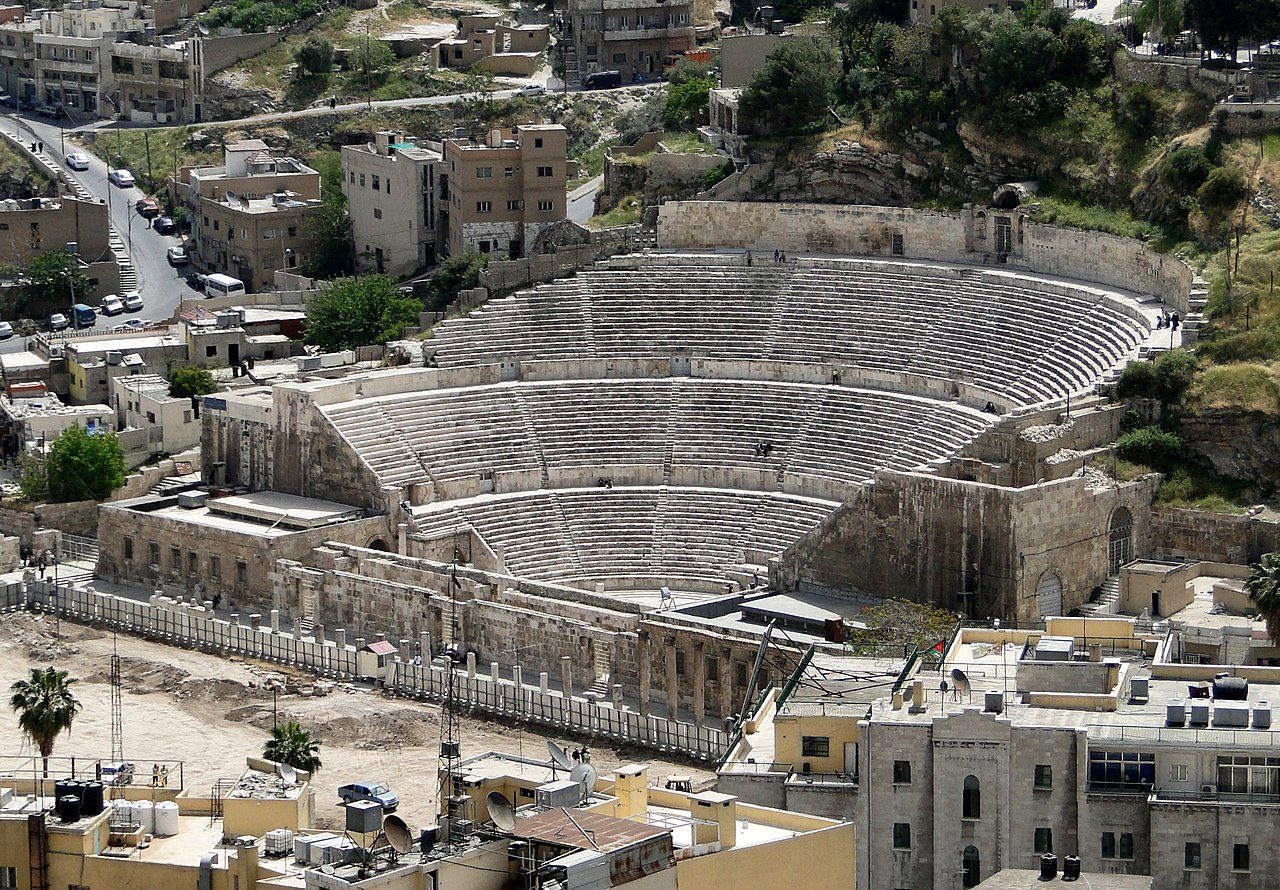
Roman Theatre
Carved into the northern flank of Jabal al-Jouf during the reign of Emperor Antoninus Pius (c. 138–161 AD), this grand auditorium endures as the defining relic of ancient Philadelphia. Built from honey-hued limestone, the 6,000-seat amphitheater demonstrates ingenious Roman civic planning; its deliberate northern orientation shielded spectators from the scorching Levantine sun. The steeply pitched *cavea* rises in three distinct social tiers, ranging from the orchestra-level seats once reserved for Roman magistrates to the vertiginous upper benches designated for the city’s working populace and soldiers. Standing on the circular stone floor of the orchestra, travelers encounter the theatre’s remarkable acoustic engineering—a single spoken word or clap radiates up the stone tiers with startling clarity. Tackling the thigh-burning climb to the highest tier rewards you with a sweeping perspective of downtown Amman, where the ancient arena borders the bustling expanse of Hashemite Plaza and gazes directly across the valley to the Temple of Hercules atop the Citadel. As dusk settles, the weathered stone glows deep amber, caught between the austere silence of Imperial Rome and the contemporary hum of bustling souks and evening calls to prayer echoing across the hills.
More in Amman
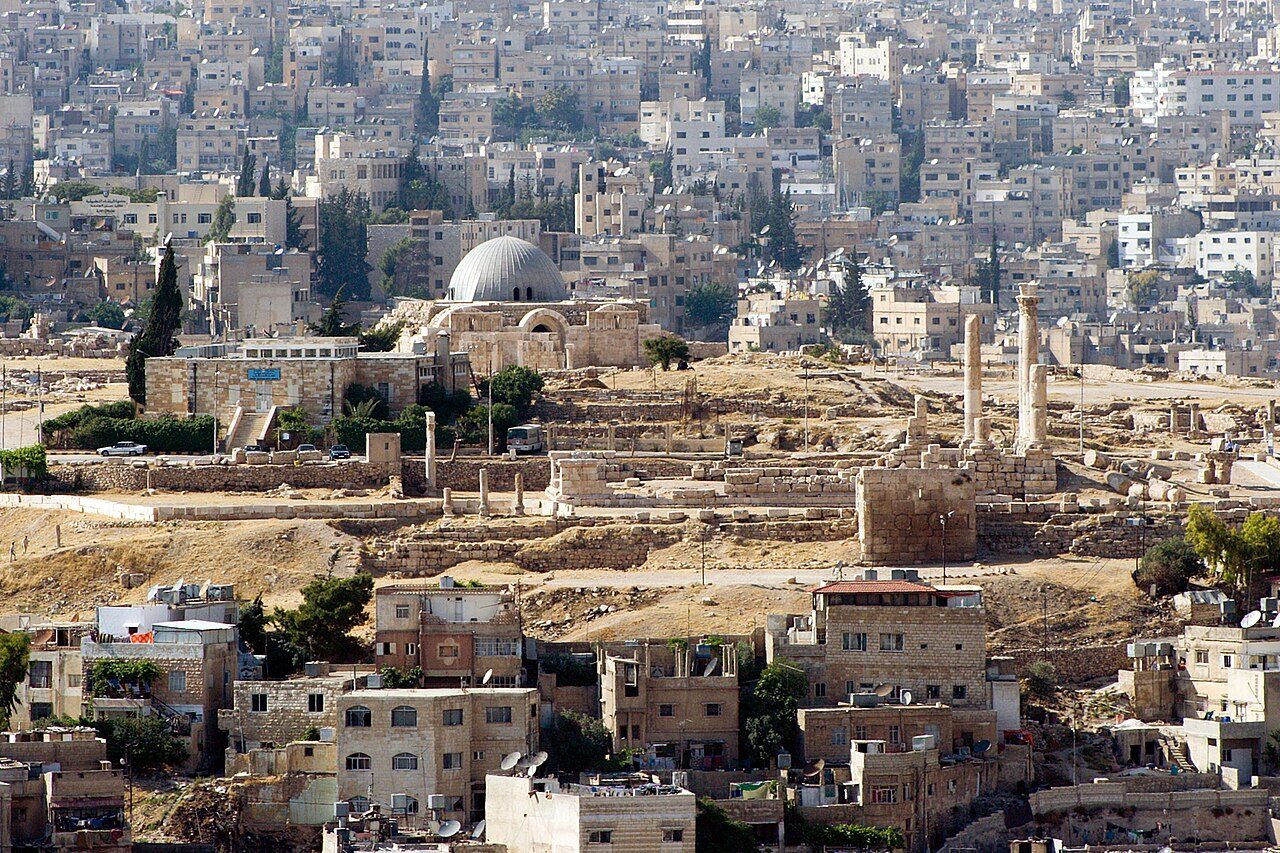
Photo credits (7)
- Bernard Gagnon, CC BY-SA 4.0, via Wikimedia Commons
- Gadora81, CC BY-SA 4.0, via Wikimedia Commons
- Berthold Werner, CC BY 3.0, via Wikimedia Commons
- David Bjorgen, CC BY 2.5, via Wikimedia Commons
- Ldud at English Wikipedia, Public domain, via Wikimedia Commons
- The original uploader was Freedom's Falcon at Arabic Wikipedia ., CC BY-SA 2.5, via Wikimedia Commons
- Berthold Werner, CC BY 3.0, via Wikimedia Commons