
 New added
1 / 2
Citadel
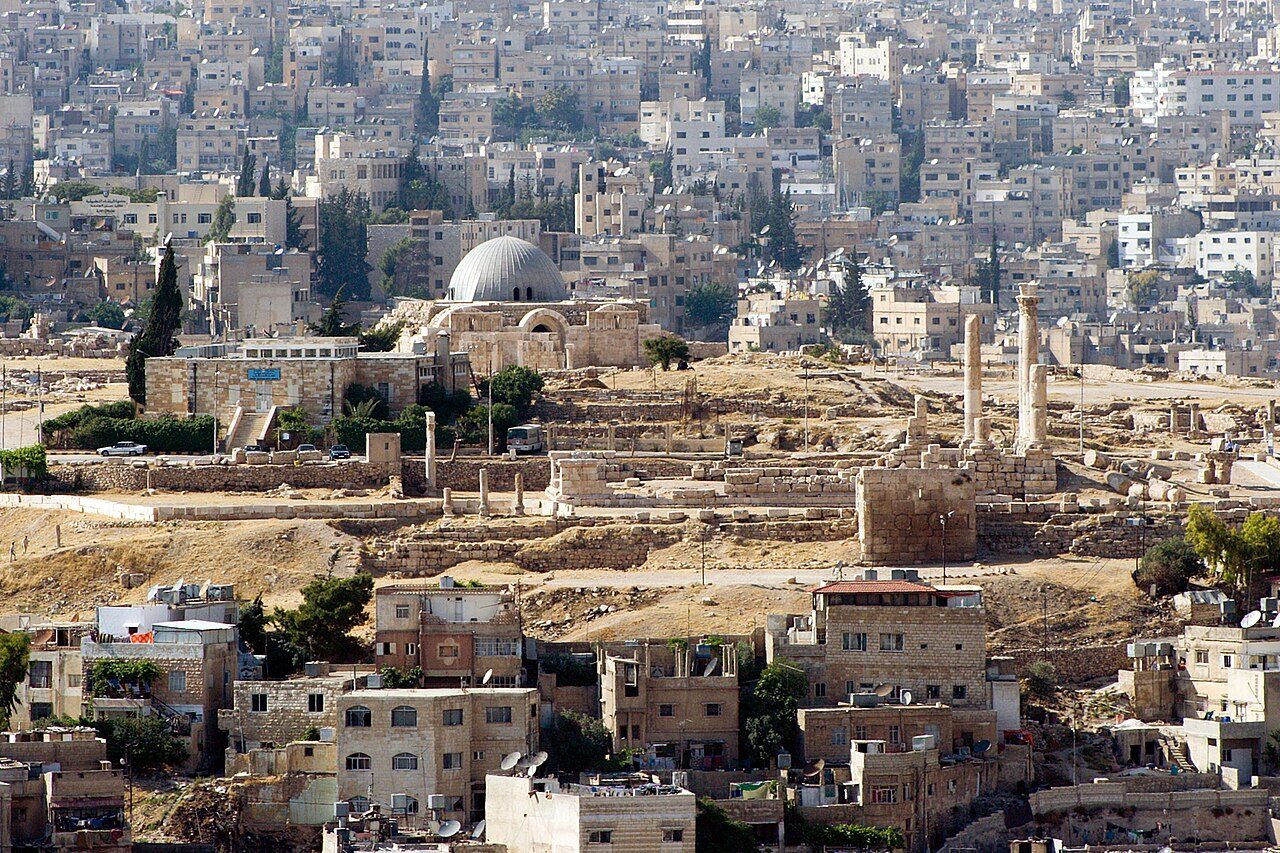
Crowning the summit of Jabal al-Qal’a, the Amman Citadel preserves an extraordinary architectural stratigraphy spanning over seven millennia, from the Bronze Age capital of Rabbath Ammon to classical antiquity and early Islam. Dominating the lower terrace stand the monumental remains of the 2nd-century Roman Temple of Hercules, commissioned during the reign of Emperor Marcus Aurelius. Here, visitors encounter two towering Corinthian columns silhouetted against the Levant sky, beside which lie three gigantic, weathered marble fingers—the surreal remnants of a lost forty-foot colossus. Further uphill, the 8th-century Umayyad Palace complex reveals a transition into Islamic monumental architecture, anchored by a restored wooden dome set atop an intricately carved, cruciform limestone audience hall and the crumbling nave of a 6th-century Byzantine basilica. Standing along the Citadel’s northern ramparts, travelers are confronted by a sweeping, 360-degree panorama of Amman’s chalky limestone houses tumbling across the surrounding hills. A steady breeze cuts through the sun-baked stone, carrying the resonant, layered chorus of afternoon calls to prayer echoing up from dozens of valley minarets. Walking the unshaded grounds, one navigates ancient rock-hewn water cisterns, fragmented architraves, and dusty mosaic floors, watching the honey-hued Roman masonry shift to deep amber as the desert sun dips beneath the modern city’s jagged skyline.
More in Amman
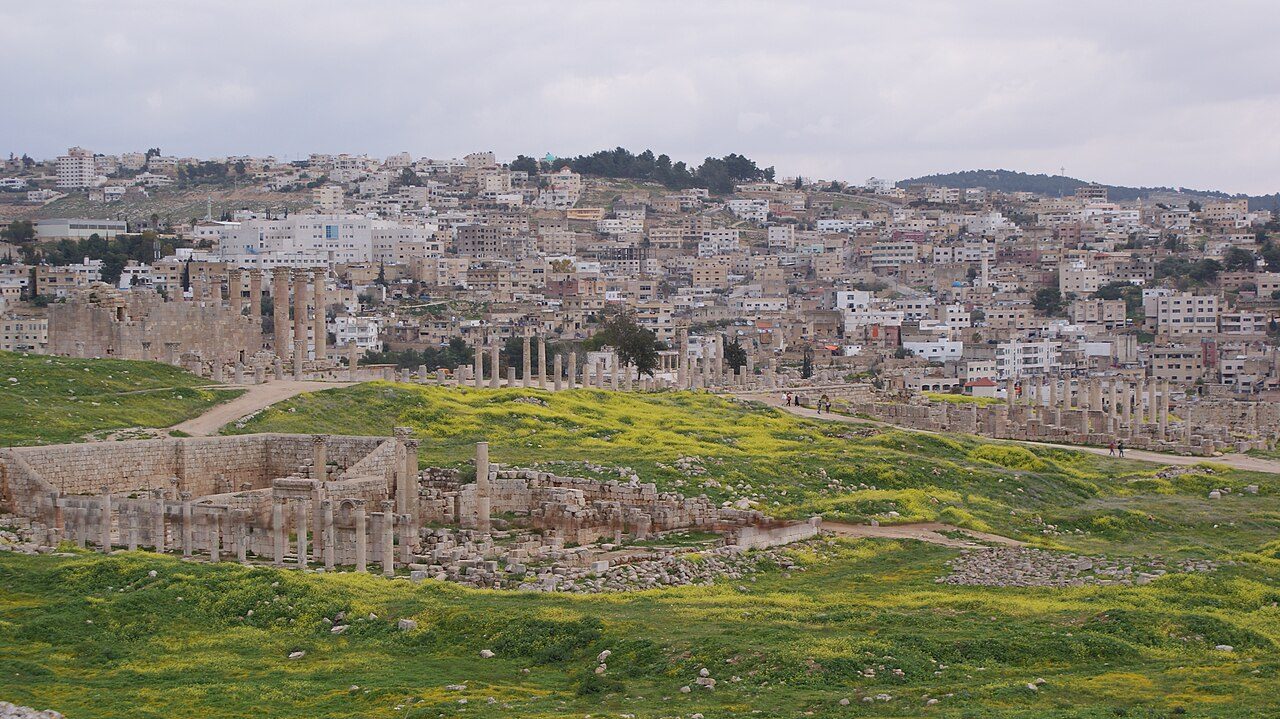
Photo credits (7)
- David Bjorgen, CC BY 2.5, via Wikimedia Commons
- Gadora81, CC BY-SA 4.0, via Wikimedia Commons
- Bernard Gagnon, CC BY-SA 4.0, via Wikimedia Commons
- Berthold Werner, CC BY 3.0, via Wikimedia Commons
- Ldud at English Wikipedia, Public domain, via Wikimedia Commons
- The original uploader was Freedom's Falcon at Arabic Wikipedia ., CC BY-SA 2.5, via Wikimedia Commons
- Berthold Werner, CC BY 3.0, via Wikimedia Commons