
 New added
Persepolis
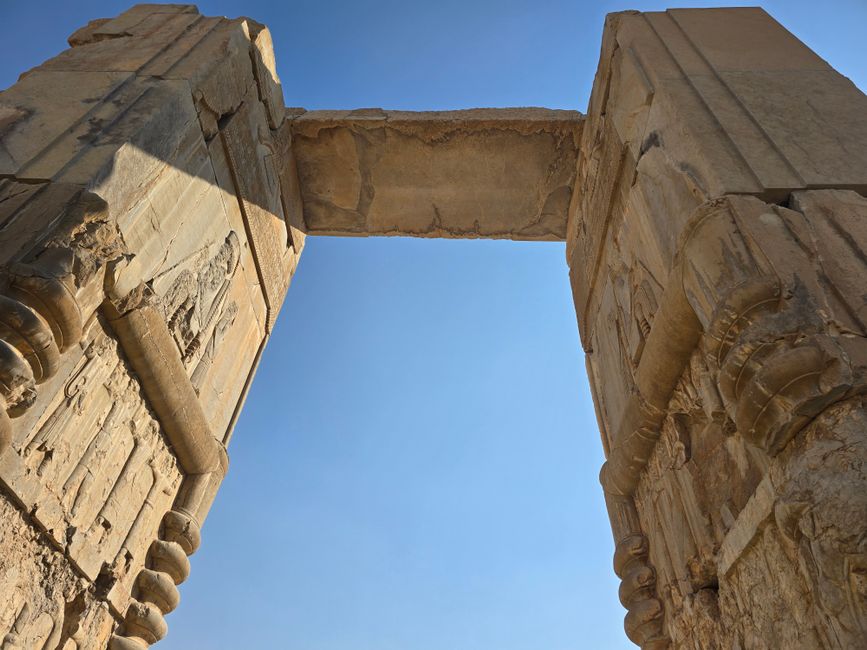
Rising abruptly against the barren spurs of Mount Rahmat, the colossal stone terrace of Persepolis anchors the ceremonial heart of the Achaemenid Empire. Founded by Darius the Great around 518 BCE and expanded by Xerxes I, this administrative theater fused Persian, Egyptian, and Mesopotamian architectural traditions into a monument of imperial prestige. Entering via the shallow dual staircase—engineered wide enough for Persian dignitaries to ascend side-by-side in flowing robes—visitors encounter the imposing Gate of All Nations. Here, towering limestone *lamassu* (winged, human-headed bulls) stand sentinel over colossal fluted column bases, their weathered stone bearing the unmistakable scars of Alexander the Great’s arson in 330 BCE. Across the terrace, the grand Apadana Palace commands the skyline, where thirteen of the original seventy-two twenty-meter-high columns still pierce the high-desert sky, capped with double-bull capitals. Walking along the eastern staircase reveals Persepolis's greatest artistic triumph: razor-sharp bas-reliefs depicting delegations from twenty-three subjugated nations bearing tribute during the Nowruz celebrations. Visitors can trace intricate details carved into the dark grey limestone, from the braided hair of Median courtiers to the textured wool of Armenian sheep and the vessels carried by Lydian emissaries. Under the fierce afternoon sun, the golden limestone absorbs the desert heat, casting long, dramatic shadows that transport you directly to the epicenter of the ancient world.
More in Shiraz
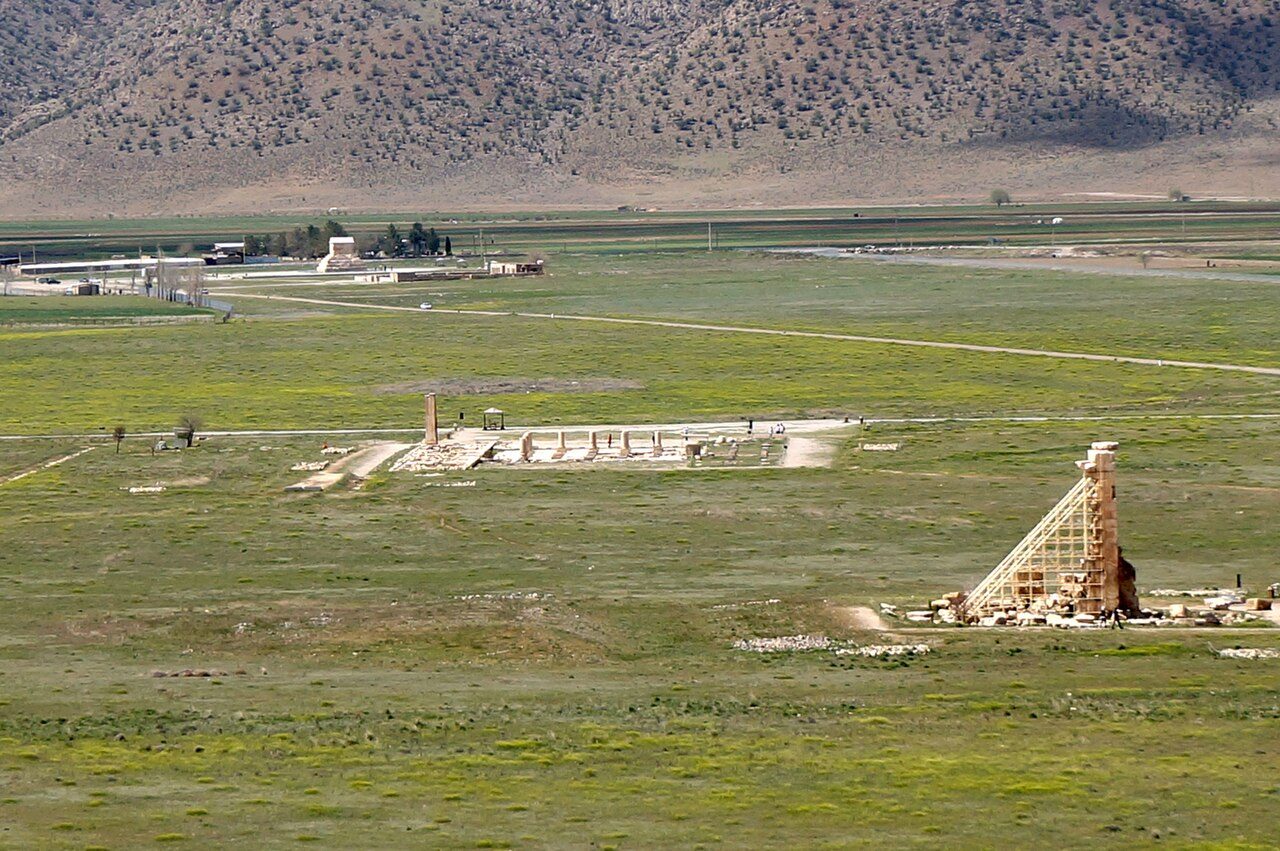
Photo credits (4)
- Stefan Krasowski from New York, NY, USA, CC BY 2.0, via Wikimedia Commons
- Soheil Callage, CC BY-SA 4.0, via Wikimedia Commons
- Siamak.ess, CC BY-SA 4.0, via Wikimedia Commons
- User:Hardscarf, CC BY-SA 3.0, via Wikimedia Commons