
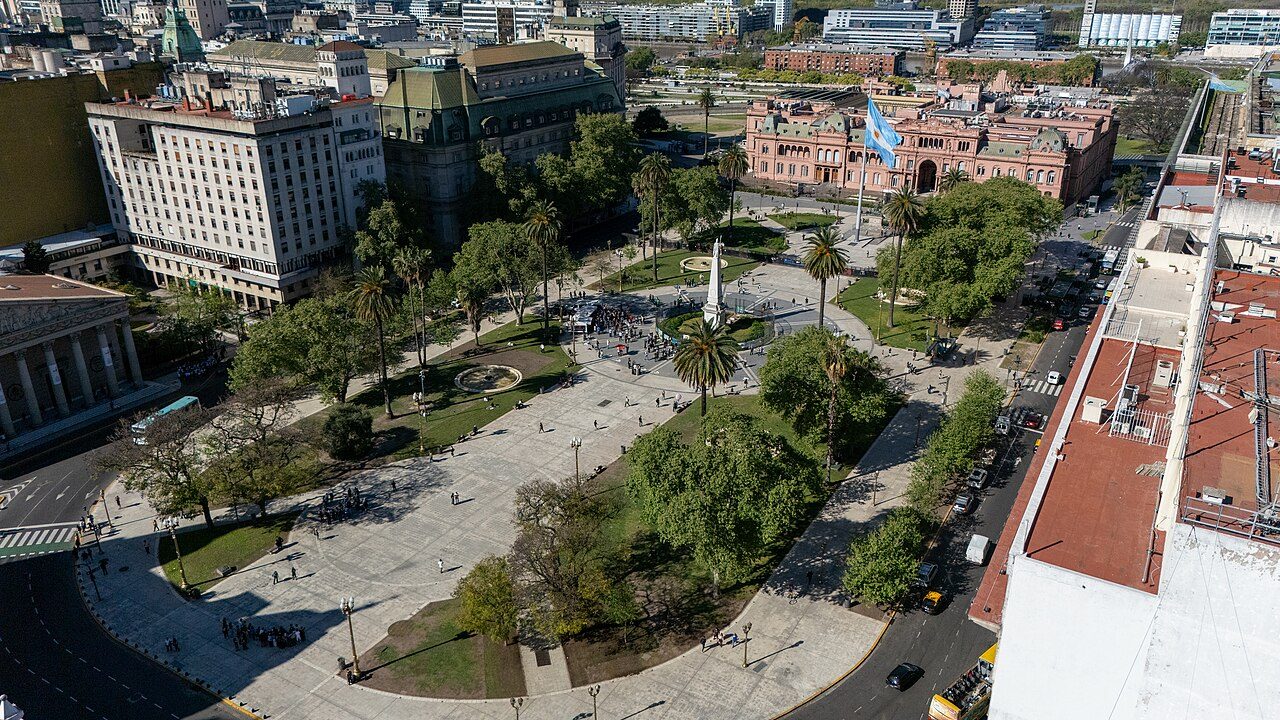
Plaza de Mayo
Since May 25, 1810, when revolutionaries gathered to depose the Spanish viceroy, Plaza de Mayo has anchored the turbulent narrative of Argentine nationhood. Flanking its eastern boundary rises the Casa Rosada, an eclectic Italianate mansion bathed in signature oxblood pink, where Juan and Eva Perón famously addressed sea-like crowds of *descamisados* from the presidential balcony. Across the perimeter, the stark white colonial arches of the 18th-century Cabildo contrast with the imposing neoclassical portico of the Metropolitan Cathedral, where twelve towering Corinthian columns guard the eternal flame and marble mausoleum of General José de San Martín. Standing beneath the plaza’s towering Canary Island date palms, travelers step directly onto the paving stones of living history. Encircling the 1811 Pirámide de Mayo at the square's center are stenciled white headscarves—enduring tributes to the Madres de Plaza de Mayo, who began their courageous Thursday vigils here in 1977 to demand answers for their children disappeared by the military dictatorship. The atmosphere carries a palpable, electric charge; whether wandering through quiet morning shadows or navigating the rhythmic drumbeats, smoke, and megaphones of contemporary political demonstrations, one immediately senses that every square foot serves as the nation's premier forum for grief, triumph, and collective memory.
More in Buenos Aires
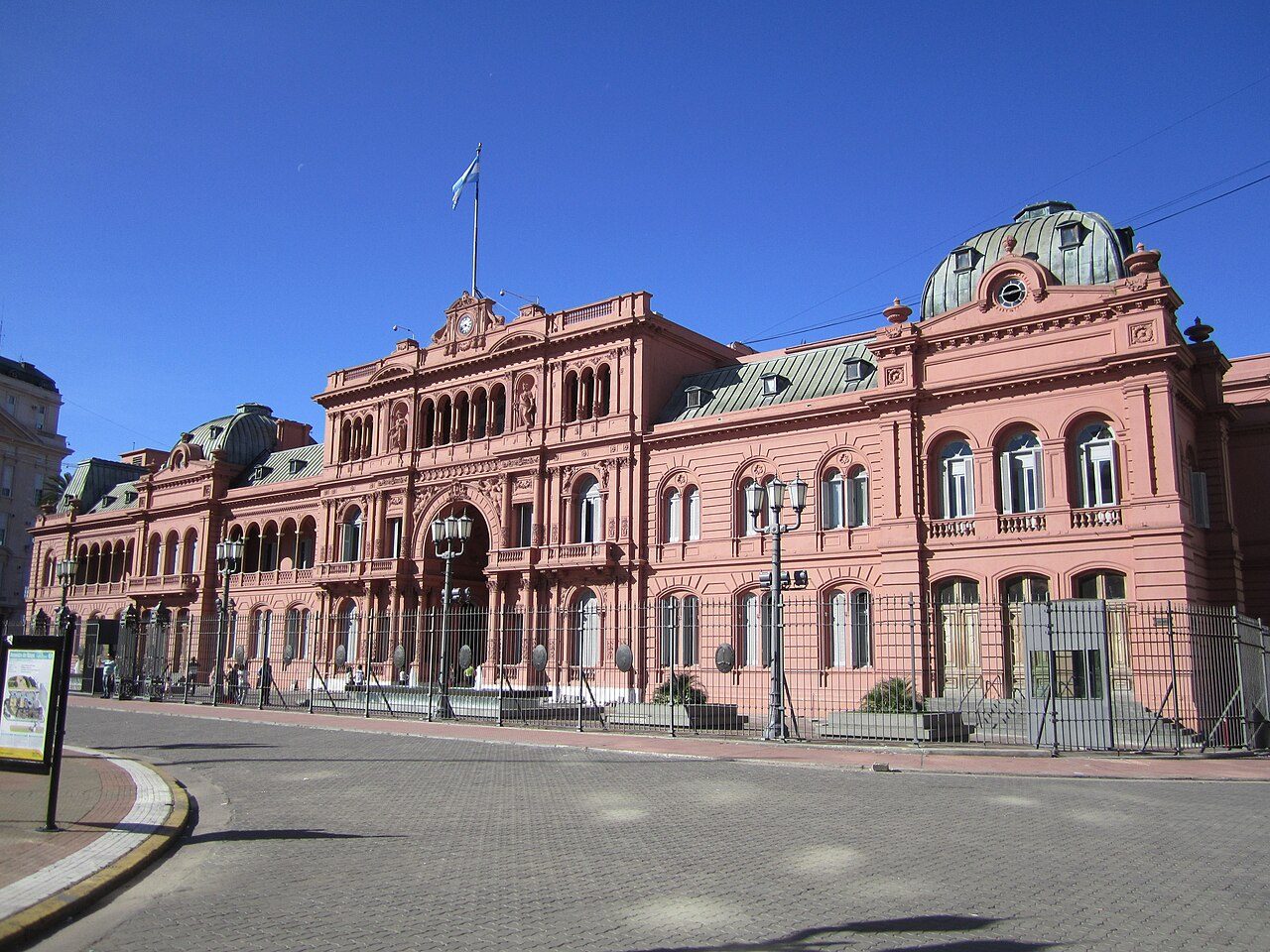
Photo credits (7)
- ProtoplasmaKid, CC BY-SA 4.0, via Wikimedia Commons
- EEJCC, CC0, via Wikimedia Commons
- Dragan, CC BY 3.0, via Wikimedia Commons
- Bleff, CC BY-SA 3.0, via Wikimedia Commons
- Sking, CC BY-SA 3.0, via Wikimedia Commons
- Bleff, CC BY-SA 3.0, via Wikimedia Commons
- DerHexer, CC BY-SA 4.0, via Wikimedia Commons