
 New added
Si-o-se-pol Bridge
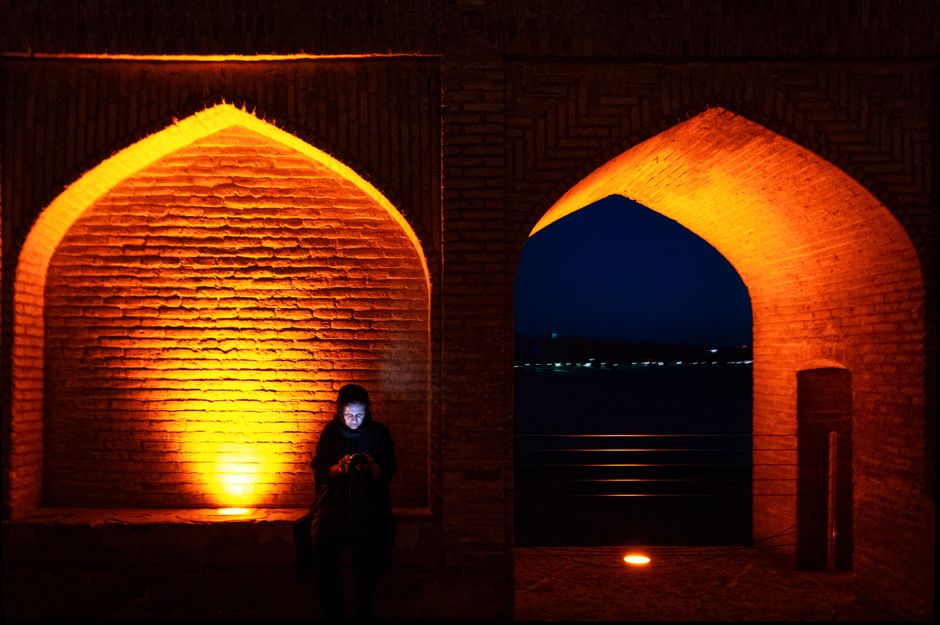
Commissioned in 1602 during the reign of Safavid ruler Shah Abbas I, Si-o-se-pol stands as a triumph of classical Persian hydraulic engineering. Supervised by the Georgian-born commander Allahverdi Khan, this 297-meter-long viaduct of yellow limestone and baked brick was designed to span the Zayandeh River, seamlessly linking central Isfahan to the Armenian quarter of New Julfa. Its rhythmic sequence of thirty-three pointed arches functions on two tiers: the lower level served as a weir to regulate seasonal water levels, while the upper thoroughfare acted as an imperial promenade, flanked by sheltered alcoves where royal retinues and travelers alike found respite from the desert heat. At twilight, floodlights cast a deep amber glow into the bridge’s vaulted undercrofts, turning the stone spans into a luminous ribbon across the river. Visitors stepping down into the lower arcades enter cool, cloistered chambers where the acoustics are extraordinary; here, Isfahanis often gather in the evening shadows to sing traditional Persian folk songs that echo rhythmically against the brickwork. On the open upper deck, the dry breeze carries the scent of roasted street corn and the murmurs of families strolling arm-in-arm, offering a vantage point where one can lean over the crenelated parapets and watch the city dissolve into dusk.
More in Isfahan
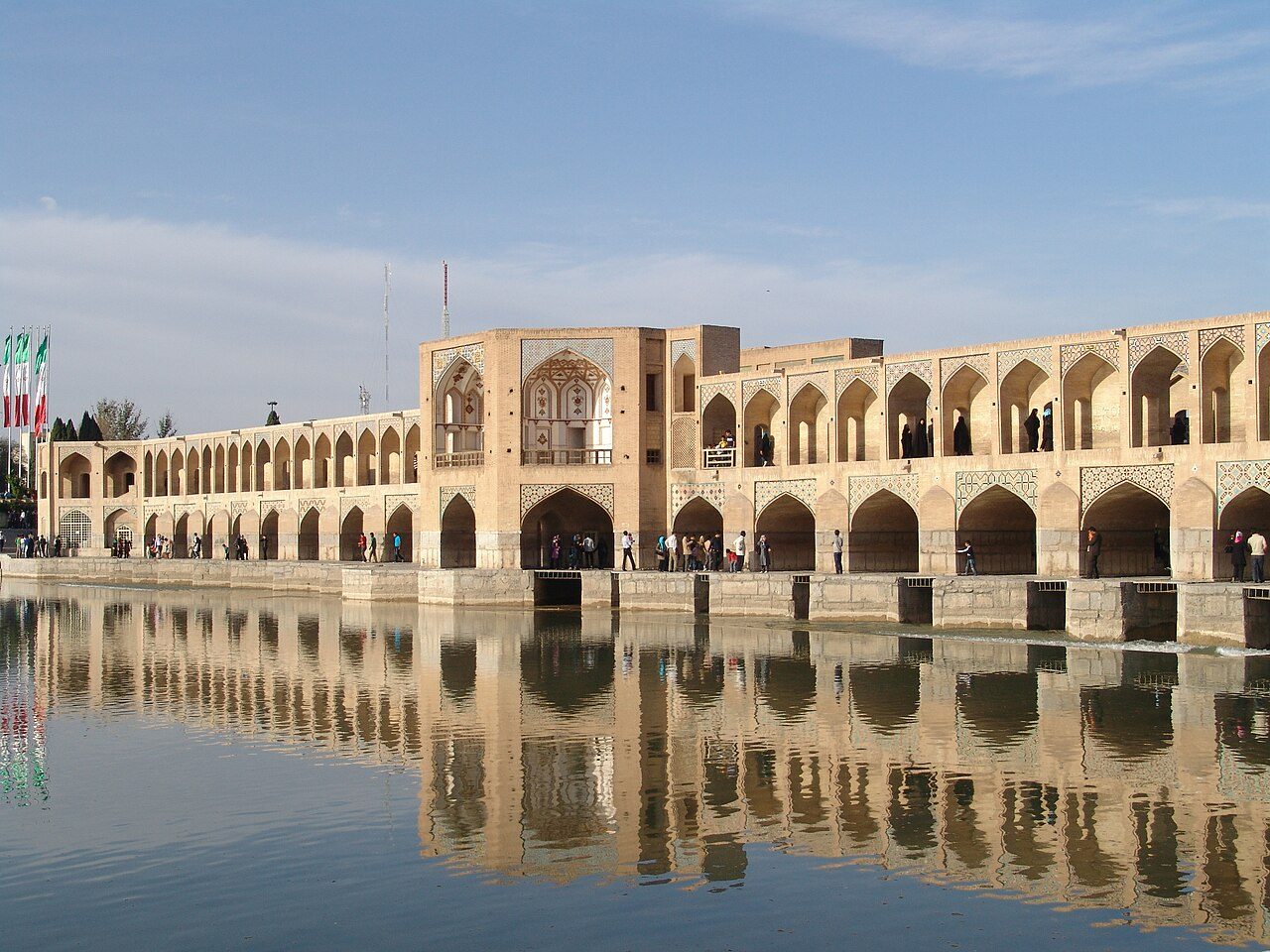
Photo credits (4)
- شهاب الدین علیشاهی, CC BY-SA 4.0, via Wikimedia Commons
- درفش کاویانی, CC BY-SA 3.0, via Wikimedia Commons
- Zahradibaji, CC BY-SA 4.0, via Wikimedia Commons
- Rasool abbasi17, CC BY-SA 4.0, via Wikimedia Commons