
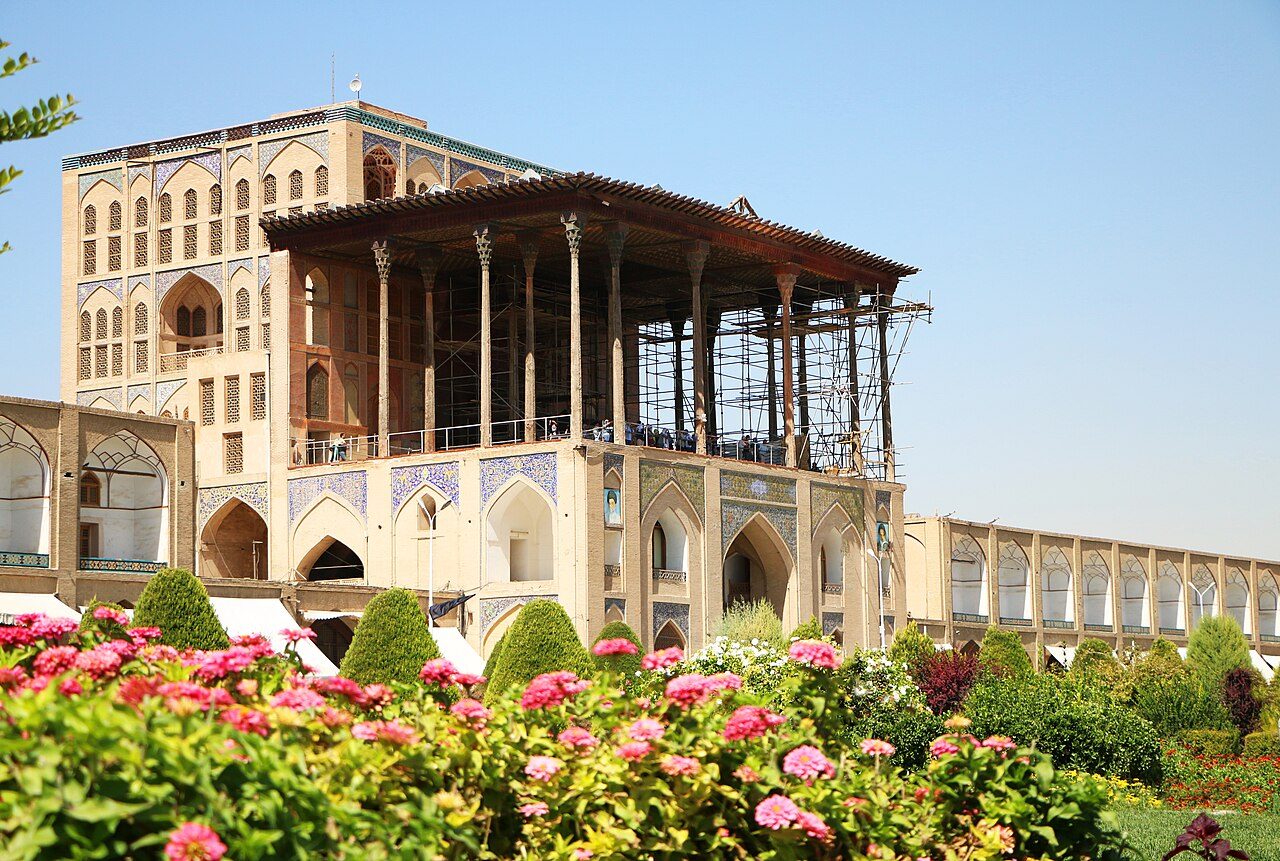
Ali Qapu
Commissioned at the turn of the seventeenth century by Shah Abbas I, this six-story Safavid seat of power commands the western threshold of Naqsh-e Jahan Square. Ascending narrow, labyrinthine staircases clad in radiant yellow-and-cobalt tiles, visitors emerge onto the grand elevated *talar* (porch). Here, eighteen slender columns of carved plane-tree wood support an intricate timber ceiling inlaid with geometric marquetry. Standing along this shaded imperial balcony, you catch the dry desert breeze and take in the panoramic vista of the vast public square below, looking directly across at the swirling arabesques of the Sheikh Lotfollah Mosque—the exact vantage point where Safavid monarchs once observed royal polo matches and received foreign envoys. Higher still, near the top of the palace, awaits its crowning acoustic and artistic marvel: the sixth-floor Music Hall. Stepping inside, the eye is drawn upward to an astonishing vault of *tong-bori*, a technique of deep, lace-like plaster cutouts fashioned into the silhouettes of flasks, ewers, and lutes. These hollow stucco niches were engineered not only for visual drama, but to dampen harsh echoes, allowing the delicate strums of the *kamāncheh* and courtly vocal laments to resonate with velvet clarity. Surrounded by soft, weathered frescoes attributed to the master Reza Abbasi, the chamber envelops travelers in the poetic, deeply refined splendor of imperial Isfahan.
More in Isfahan
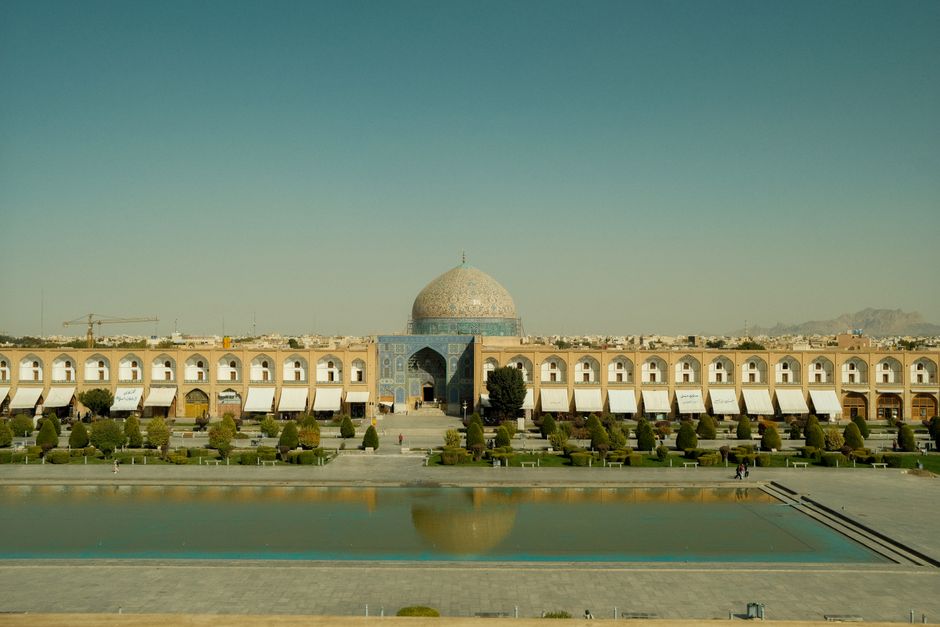
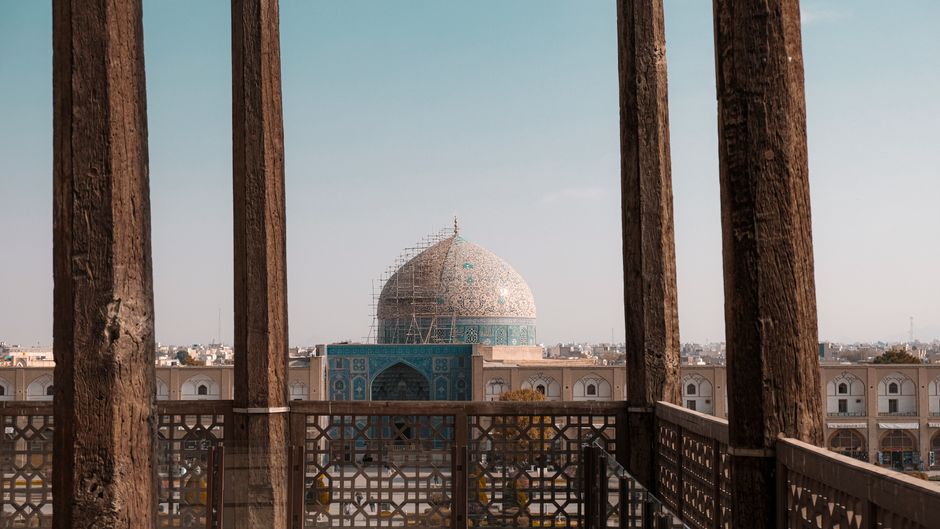
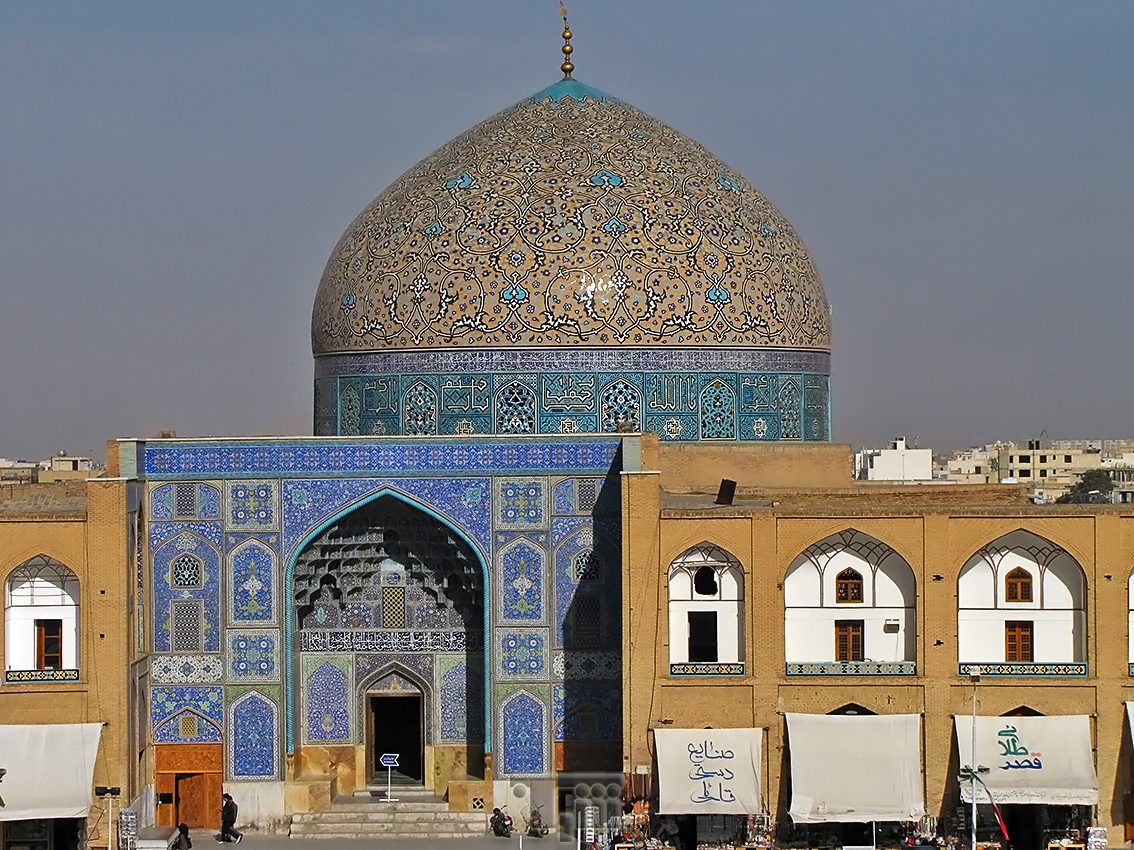
Photo credits (4)
- Zahradibaji, CC BY-SA 4.0, via Wikimedia Commons
- شهاب الدین علیشاهی, CC BY-SA 4.0, via Wikimedia Commons
- درفش کاویانی, CC BY-SA 3.0, via Wikimedia Commons
- Rasool abbasi17, CC BY-SA 4.0, via Wikimedia Commons