
 New added
1 / 2
Fortress
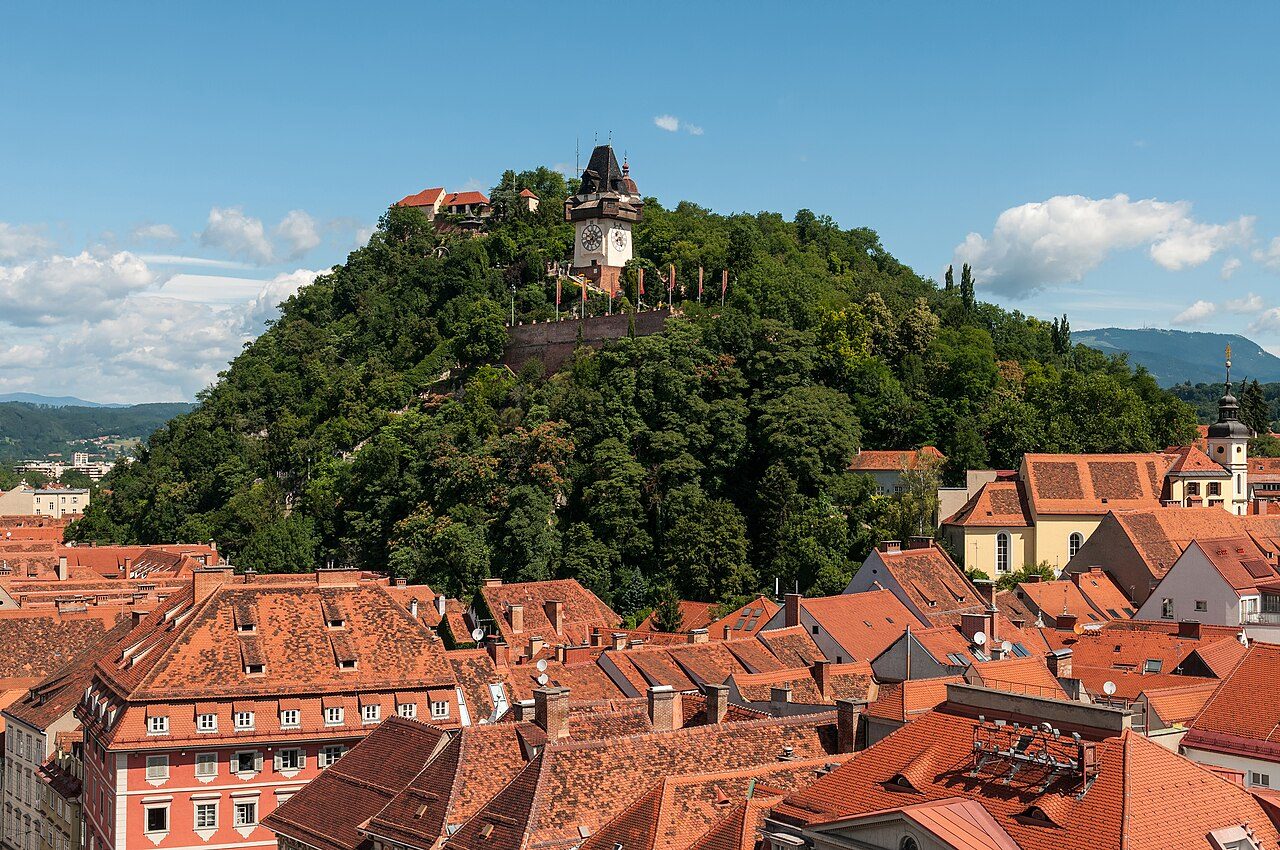
Rising 123 meters above the Mur River, the Schlossberg fortress stands as a monumental triumph of Renaissance military engineering. Reconstructed in the mid-16th century by Italian architect Domenico dell'Allio to repel Ottoman advances, the citadel proved so formidable that it was never breached by force. Even Napoleon failed to conquer its bastions during the 1809 siege; the fortress was dismantled only after the Treaty of Schönbrunn mandated its demolition. Fiercely proud locals ransomed two beloved structures from destruction, preserving the fortress’s defining sentinels: the octagonal Glockenturm and the iconic Uhrturm. Ascending the 260 rock-hewn steps of the Kriegssteig, travelers emerge onto sun-drenched dolomite terraces framed by fig trees and wisteria. The striking whitewashed Uhrturm commands the promontory, where visitors often squint in bewilderment at its massive dials—the historic clock famously features inverted hands, with the long hand marking hours and the short hand tracking minutes. Below the ramparts, cavernous brick casemates that once held gunpowder now echo with live acoustics, while the Glockenturm houses "Liesl," an eight-ton bell cast from captured Turkish cannonballs. Leaning against the stone parapets, you feel the cool alpine breeze sweep across an unbroken panoramic vista of Graz’s UNESCO-listed terracotta rooftops and the futuristic, bubble-like shell of the Kunsthaus Graz.
More in Graz
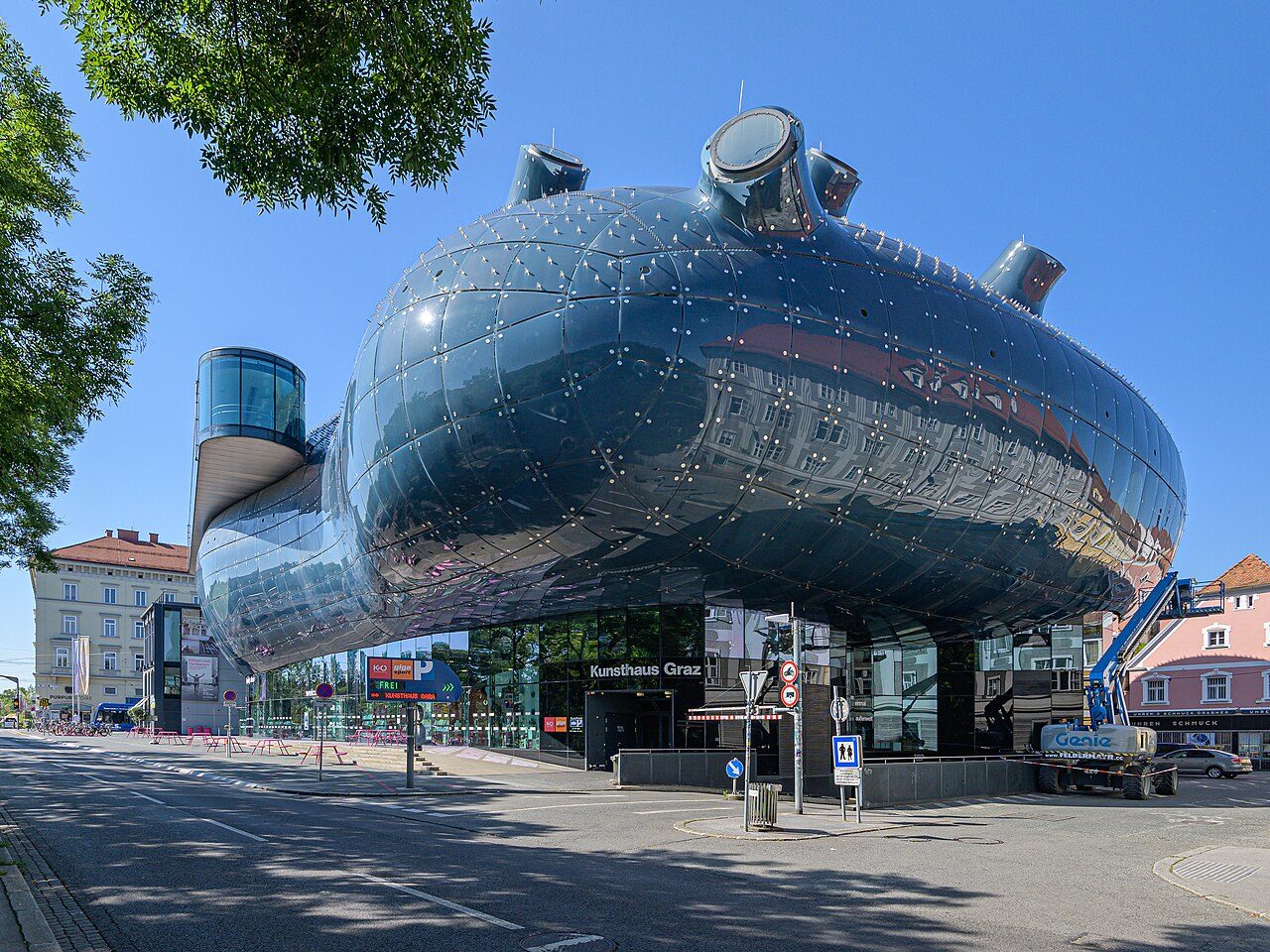
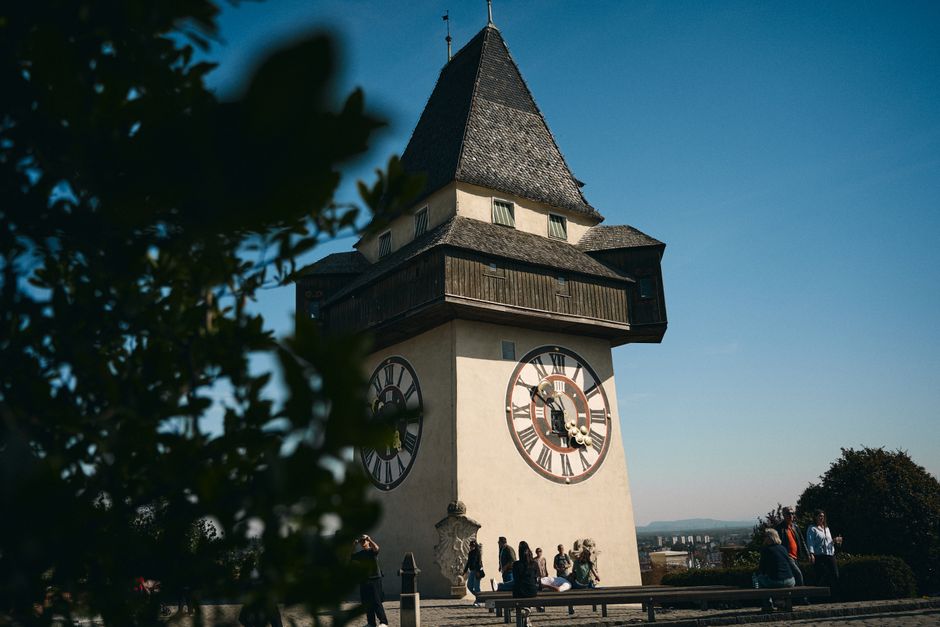
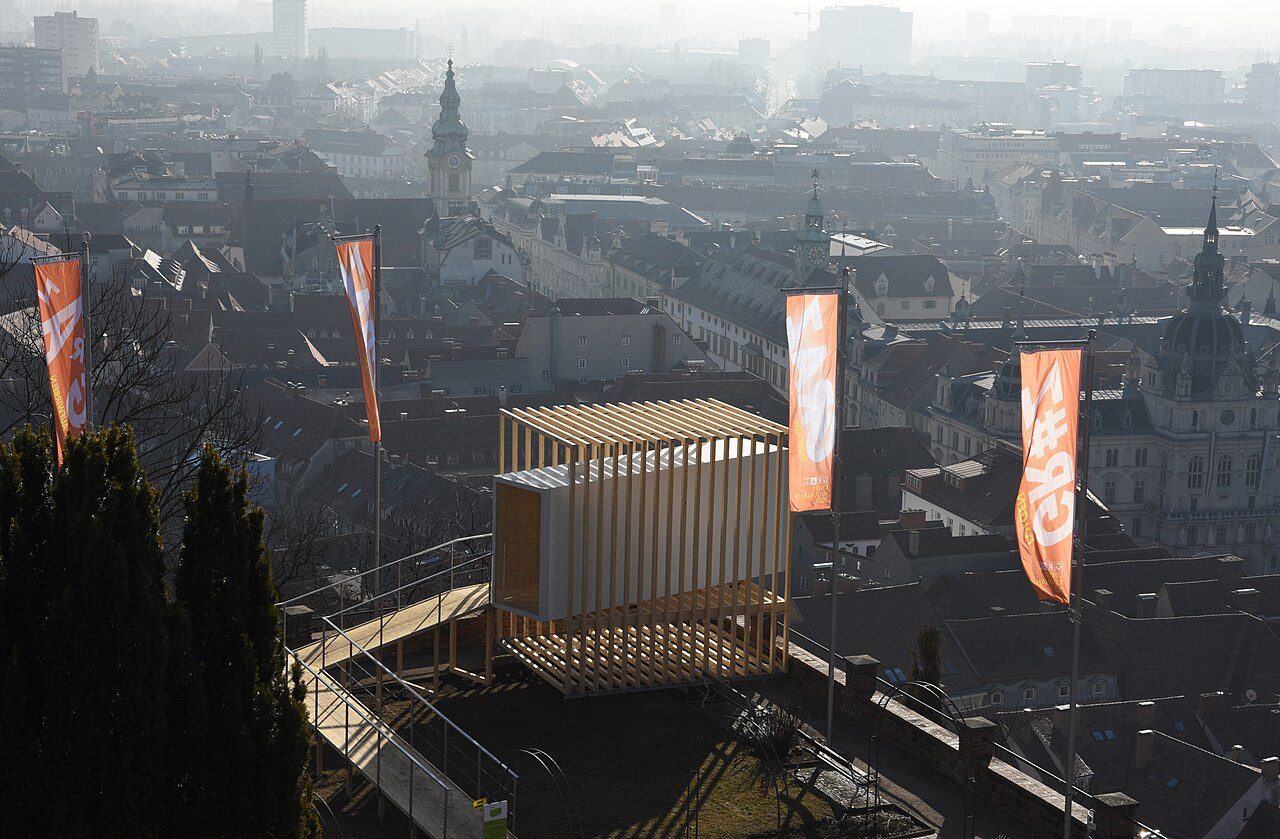
Photo credits (4)
- Ralf Roletschek, CC BY-SA 3.0 at, via Wikimedia Commons
- Isiwal, CC BY-SA 4.0, via Wikimedia Commons
- Allie_Caulfield from Germany, CC BY 2.0, via Wikimedia Commons
- Nxr-at, CC BY-SA 4.0, via Wikimedia Commons