
Graz
Graz sits along the green waters of the Mur River, cupped by the rolling hills of southeastern Styria where the eastern Alps ease into wine country. Red-tiled rooftops, Renaissance courtyards, and narrow paved alleys define the streetscape, giving the historic center a relaxed cadence influenced by nearby Italy. First documented in 1128, Graz expanded into a Habsburg stronghold under Emperor Frederick III in the fifteenth century. Rising over the center, the forested Schlossberg hill preserves the sixteenth-century Uhrturm, a clock tower whose oversized hour hands trick the eye. Below, the Landeszeughaus houses over thirty thousand suits of armor and weapons in an intact seventeenth-century arsenal. Across the river, the bulbous blue acrylic shell of the Kunsthaus modern art museum anchors the bohemian Lend quarter, contrasting with the classical symmetry of seventeenth-century Schloss Eggenberg on the western edge of town. Mornings center on Kaiser-Josef-Platz, where farmers sell crisp apples, scarlet runner beans, and dark, nutty Styrian pumpkin seed oil. Each September, the Aufsteirern festival fills the squares with folk music and regional attire. Graz is best explored on foot or via the tram network, which is entirely free across the central Altstadt stops, especially during early autumn when the harvest menus appear across neighborhood taverns.
Read more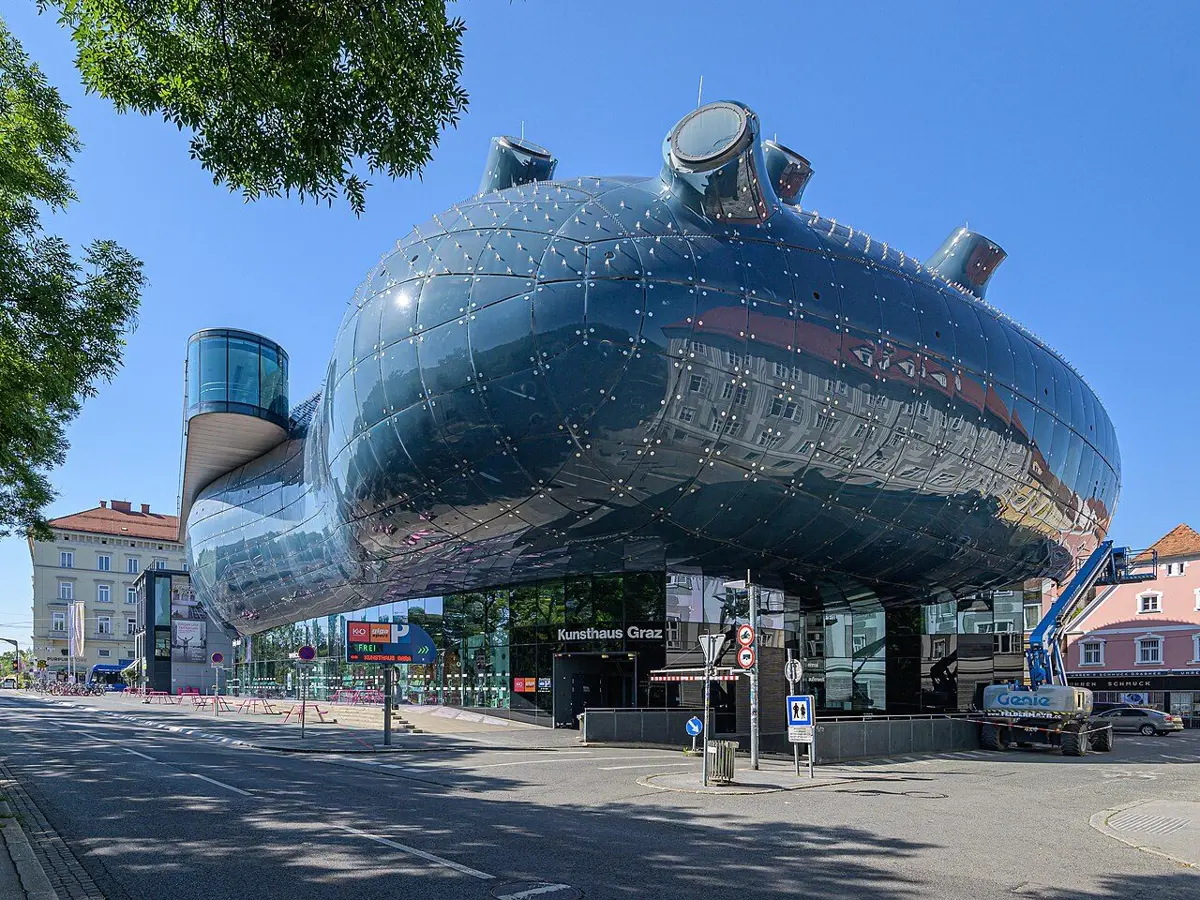
What's on in Graz
The central holiday market of Graz features Styrian seasonal specialties, handcrafted gifts, a glowing Christmas tree, and traditional music.
Official infoEvents are collected automatically from the web. Dates can change, so please check the official information before you travel.
What to see in Graz
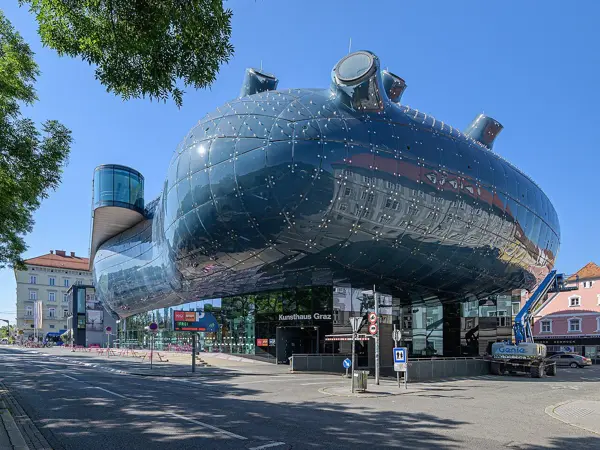
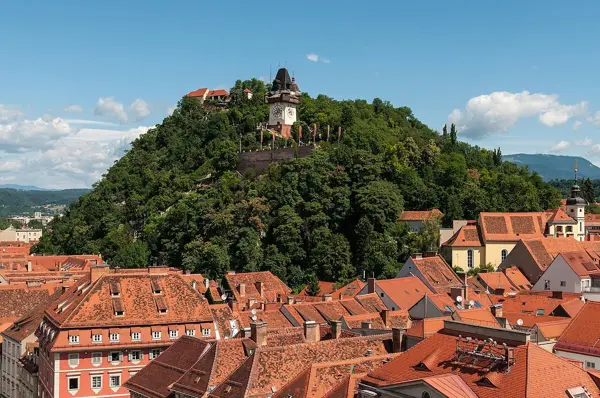
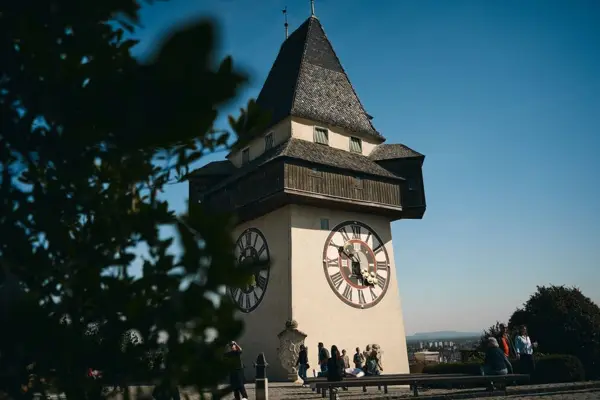
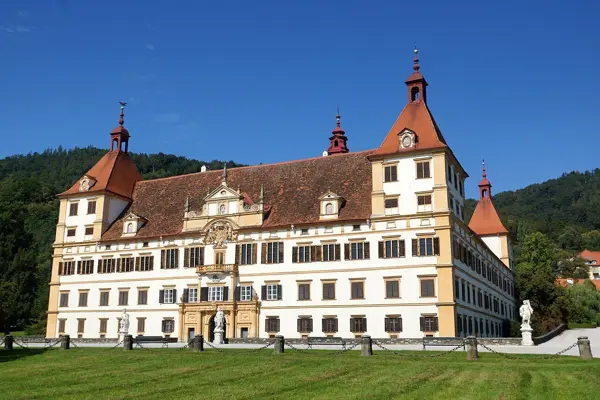
Photo credits (4)
- Isiwal, CC BY-SA 4.0, via Wikimedia Commons
- Ralf Roletschek, CC BY-SA 3.0 at, via Wikimedia Commons
- Allie_Caulfield from Germany, CC BY 2.0, via Wikimedia Commons
- Nxr-at, CC BY-SA 4.0, via Wikimedia Commons