
Aswan
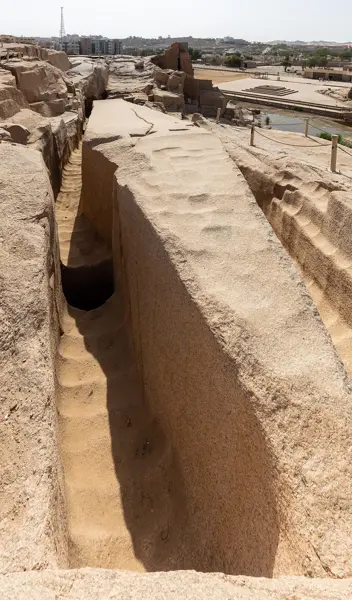
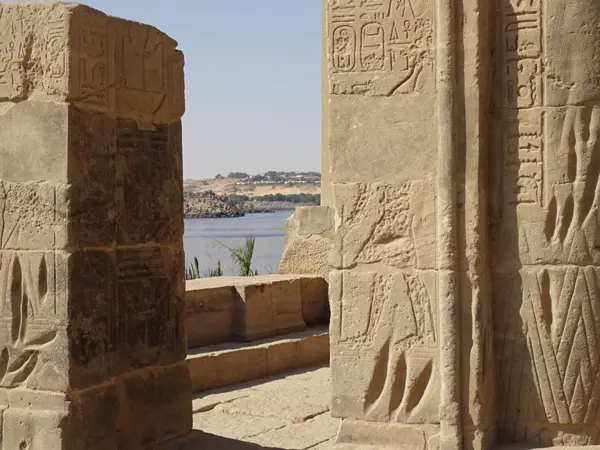
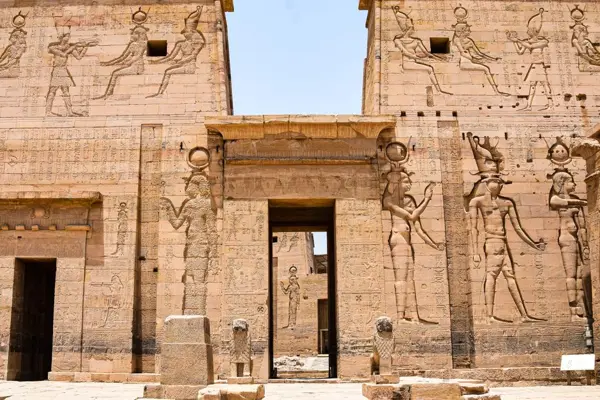
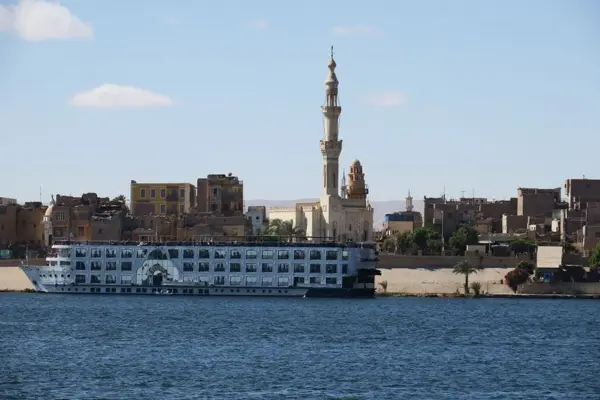
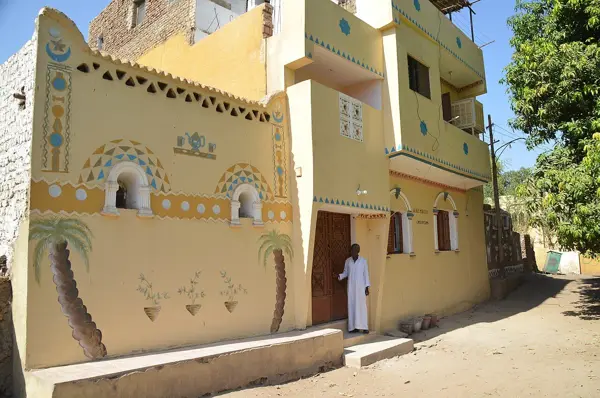
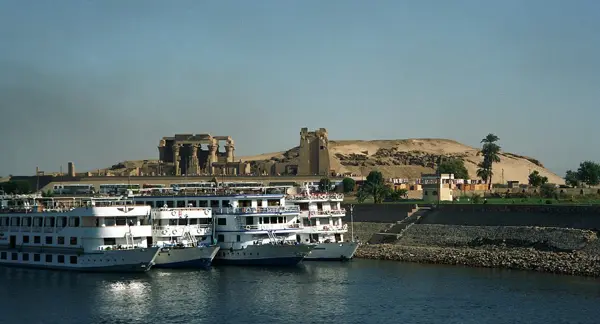
At Egypt’s southern border, where the Nile slows to navigate the First Cataract, Aswan settles against smooth granite boulders and pale desert dunes. Life here moves to the calm rhythm of the current rather than the frantic hum of northern cities. In antiquity, the settlement served as the frontier garrison of Syene, supplying the pharaohs with structural stone. Visitors can still examine ancient quarrying techniques at the Unfinished Obelisk, abandoned in its bedrock trench around 1500 BC. Downstream, the Greco-Roman Temple of Philae rests on Agilkia Island, having been dismantled and reassembled block by block during the 1970s UNESCO salvage operation. Across the channel, the unpaved lanes of Elephantine Island thread past pharaonic nilometers and quiet Nubian hamlets washed in cobalt and ochre. The town’s commercial life gathers along Sharia el-Souk, an open-air market packed with sacks of ruby-red dried hibiscus calyces, Sudanese peanuts, and wild cumin. Evenings bring aromas of grilled Nile tilapia and fresh shamsi bread, a dense wheat loaf left to rise under the desert sun. Communal life remains tied to Nubian heritage, where wedding celebrations on the west bank fill the night with polyrhythmic frame drums and oud melodies. The ideal time to visit is from November to March, when winter days remain mild. You can cross between the islands and the mainland cheaply using public passenger ferries, but reserving an unmotorized wooden felucca in the late afternoon remains the best way to handle the river currents while the sandstone cliffs cool.
Read more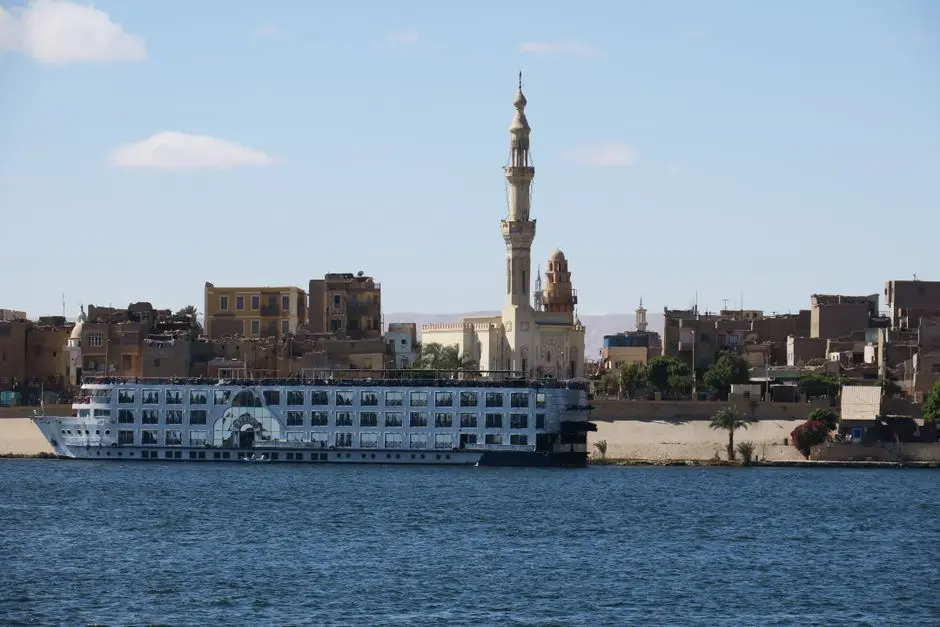
What to see in Aswan
Travel guides for Aswan
Photo credits (3)
- Diego Delso, CC BY-SA 4.0, via Wikimedia Commons
- Hatem Moushir, CC BY-SA 4.0, via Wikimedia Commons
- Jerzy Strzelecki, CC BY-SA 3.0, via Wikimedia Commons