
 New added
High Dam
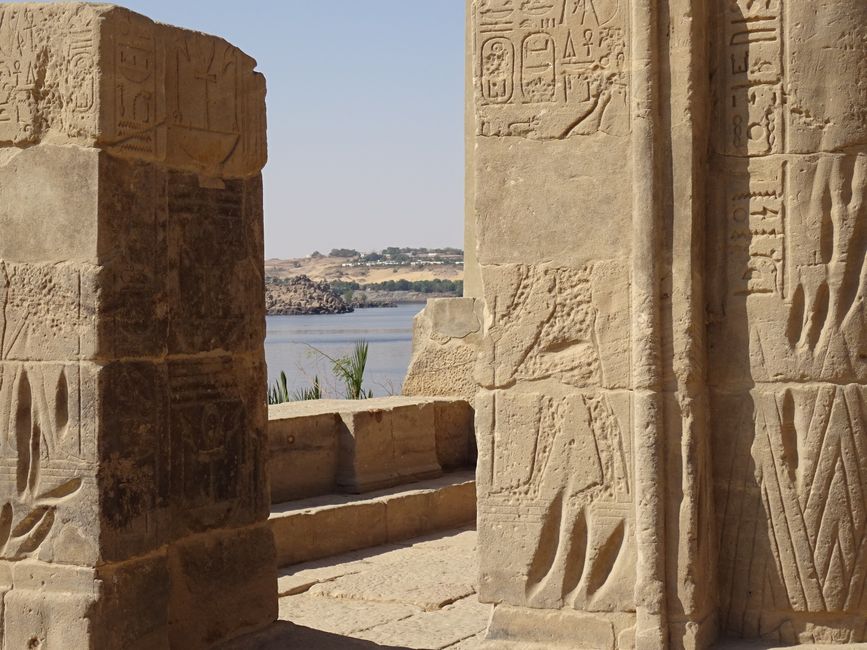
Initiated under President Gamal Abdel Nasser in 1960 and officially completed in 1971, this colossal feat of Soviet-Egyptian engineering tamed the Nile's seasonal floods and transformed the nation's agricultural destiny. Constructing the massive rock-fill embankment required over 43 million cubic meters of granite rubble, sand, and clay—seventeen times the volume of the Great Pyramid of Giza. Its rising reservoir submerged ancient Nubia, sparking the landmark UNESCO rescue campaign that relocated historic treasures like Abu Simbel and Philae Island to higher ground. Reaching 111 meters in height and stretching nearly four kilometers across the riverbed, the dam permanently shifted the ecological and geopolitical landscape of modern North Africa. Standing atop the crest roadway, travelers encounter a stark visual divide. To the south, the deep cobalt waters of Lake Nasser stretch toward the Sudanese horizon against sun-bleached desert ridges; to the north, the regulated Nile winds downstream between verdant riverbanks. A dry desert wind carries the low, mechanical hum of the twelve hydroelectric turbines concealed within the concrete power station far below. At the western flank, visitors look up at the Soviet-Egyptian Friendship Monument, where five stark concrete pillars rise 75 meters in the stylized shape of an unfurling lotus flower, carved with Soviet-realist reliefs commemorating the thousands of laborers who reshaped the Nile.
More in Aswan
Photo credits (3)
- Diego Delso, CC BY-SA 4.0, via Wikimedia Commons
- Hatem Moushir, CC BY-SA 4.0, via Wikimedia Commons
- Jerzy Strzelecki, CC BY-SA 3.0, via Wikimedia Commons