 New added
Hawa Mahal
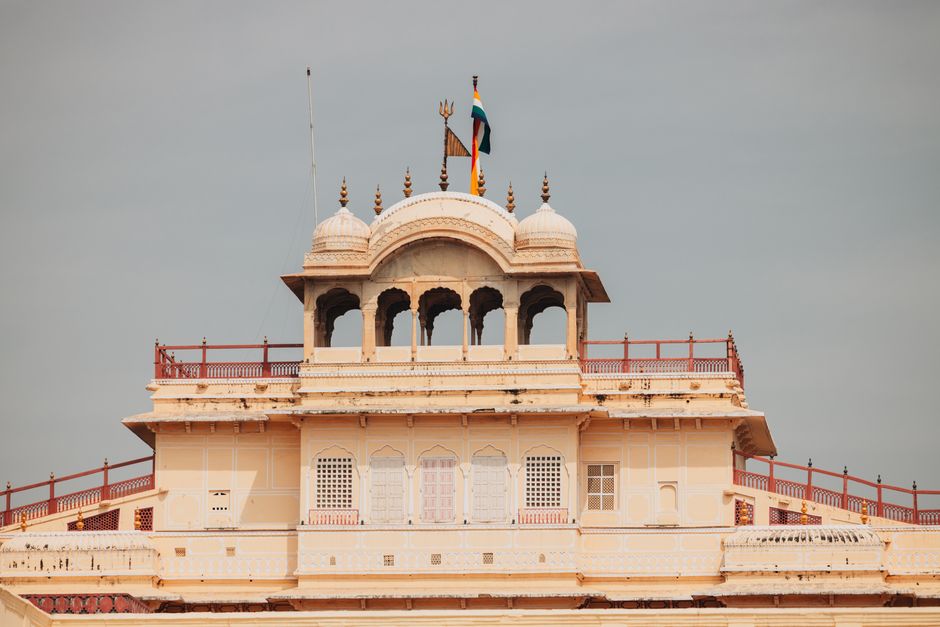
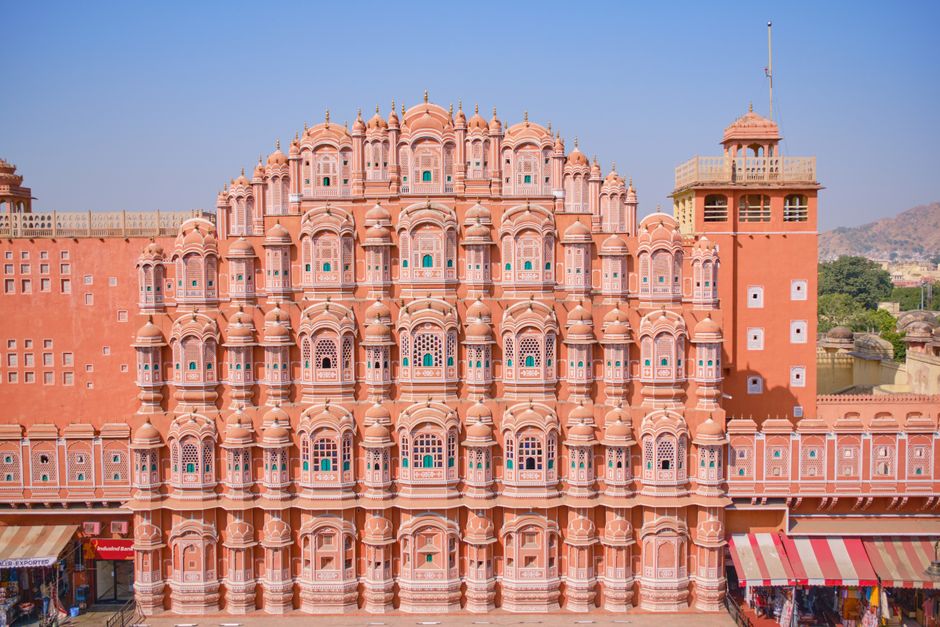
Commissioned in 1799 by the devout Maharaja Sawai Pratap Singh and designed by master architect Lal Chand Ustad, the Hawa Mahal rises like an ethereal, honeycombed crown of Lord Krishna above the Pink City. Melding Rajput fluted pillars and domed *chhatris* with delicate Mughal archways, this five-story facade of red and pink-hued sandstone functions less as a grand palace and more as a monumental observation screen. Across its exterior, 953 intricately carved *jharokhas* (latticed casements) allowed royal women bound by the strictures of *purdah* to witness religious processions, royal pageantry, and street life along the bustling market squares without compromising their seclusion. Stepping inside from the frenetic energy of the Badi Chaupar bazaar, travelers discover a surprisingly slender architectural feat—measuring scarcely a foot and a half deep at its crown. Rather than conventional staircases, gentle ramps guide visitors through the narrow upper levels, a structural choice engineered to ease the movement of royal palanquins. Standing directly behind the pierced stone *jalis*, one immediately feels the engineering brilliance that grants the "Palace of Winds" its name: a natural cooling breeze whistling through miniature openings via the Venturi effect. Peering through the miniature apertures and vibrant stained-glass panels, you gaze down at the swirling kaleidoscope of the city below just as royal eyes did two centuries ago.