Jaipur
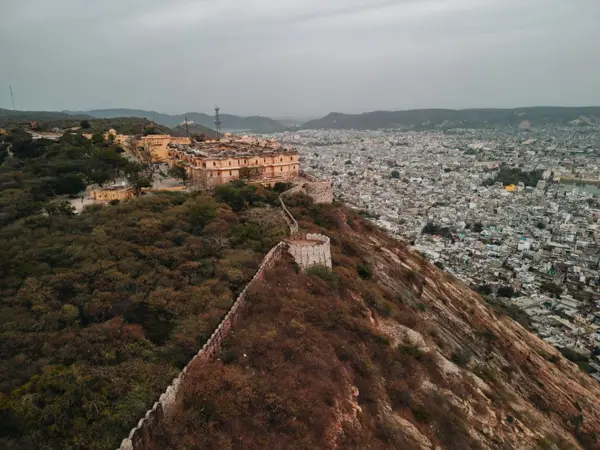
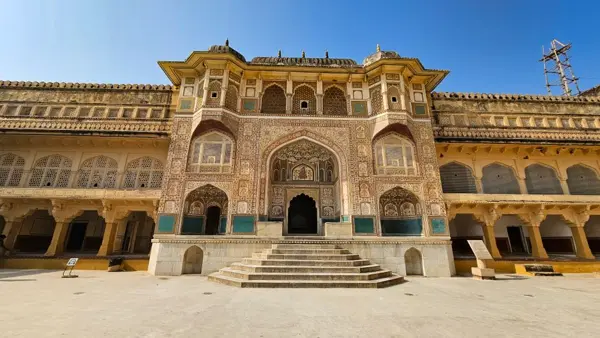
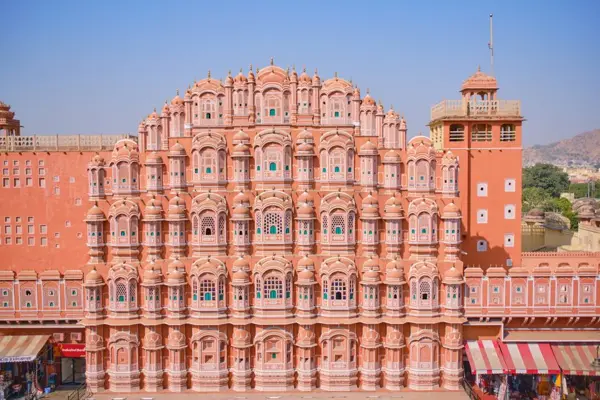
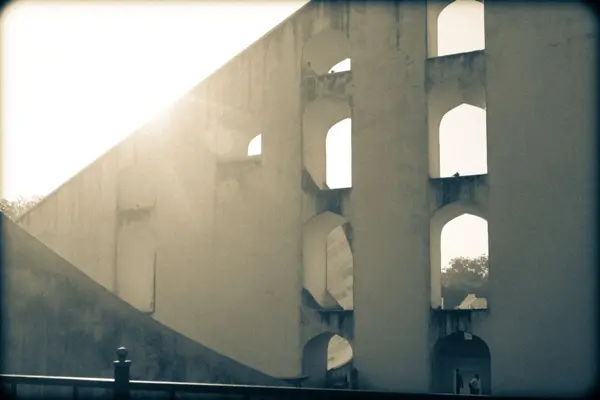
Framed by the scrub-covered Aravalli Hills in eastern Rajasthan, Jaipur is an urban study in deliberate symmetry and sensory commotion. Walking through the historic core means navigating wide avenues bordered by terracotta-pink facades, dodging cycle rickshaws and stray cows, while the dry desert air carries scents of cardamom chai, diesel exhaust, and fresh marigold garlands. Founded in 1727 by Maharaja Sawai Jai Singh II, the capital replaced the older stronghold of Amer with a grid design rooted in ancient Hindu architecture. Sights across the quarters show this synthesis of imperial defense and courtly refinement. The honeycomb exterior of the Hawa Mahal incorporates 953 lattice-screened casements designed for royal women to witness street festivals unseen. A short walk away, the massive stone instruments of the Jantar Mantar observatory, erected in the 1730s, still compute local time with precision. North of town, the yellow sandstone ramparts of Amber Fort crest a rugged ridge, housing the intricate mirror mosaics of the Sheesh Mahal. Local commerce pulses through bazaars like Johari and Tripolia, known for silver filigree and hand-block textiles. Morning life revolves around street carts frying onion kachoris and confectionery shops preparing discs of syrupy ghewar. During the winter festival of Makar Sankranti, the entire population takes to the rooftops for days of competitive kite flying. Travel between November and February for manageable daytime temperatures, and rely on electric auto-rickshaws to weave smoothly through the old city gates.
Read more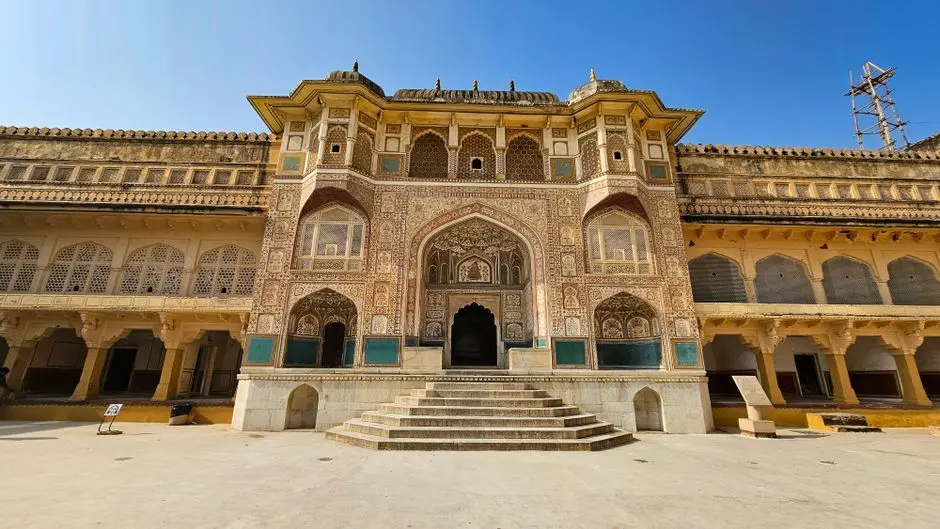
What's on in Jaipur
The world's largest free literary festival, bringing together Nobel laureates, Booker Prize winners, and global thinkers for five days of vibrant dialogue.
Official infoEvents are collected automatically from the web. Dates can change, so please check the official information before you travel.