
 New added
Plaka
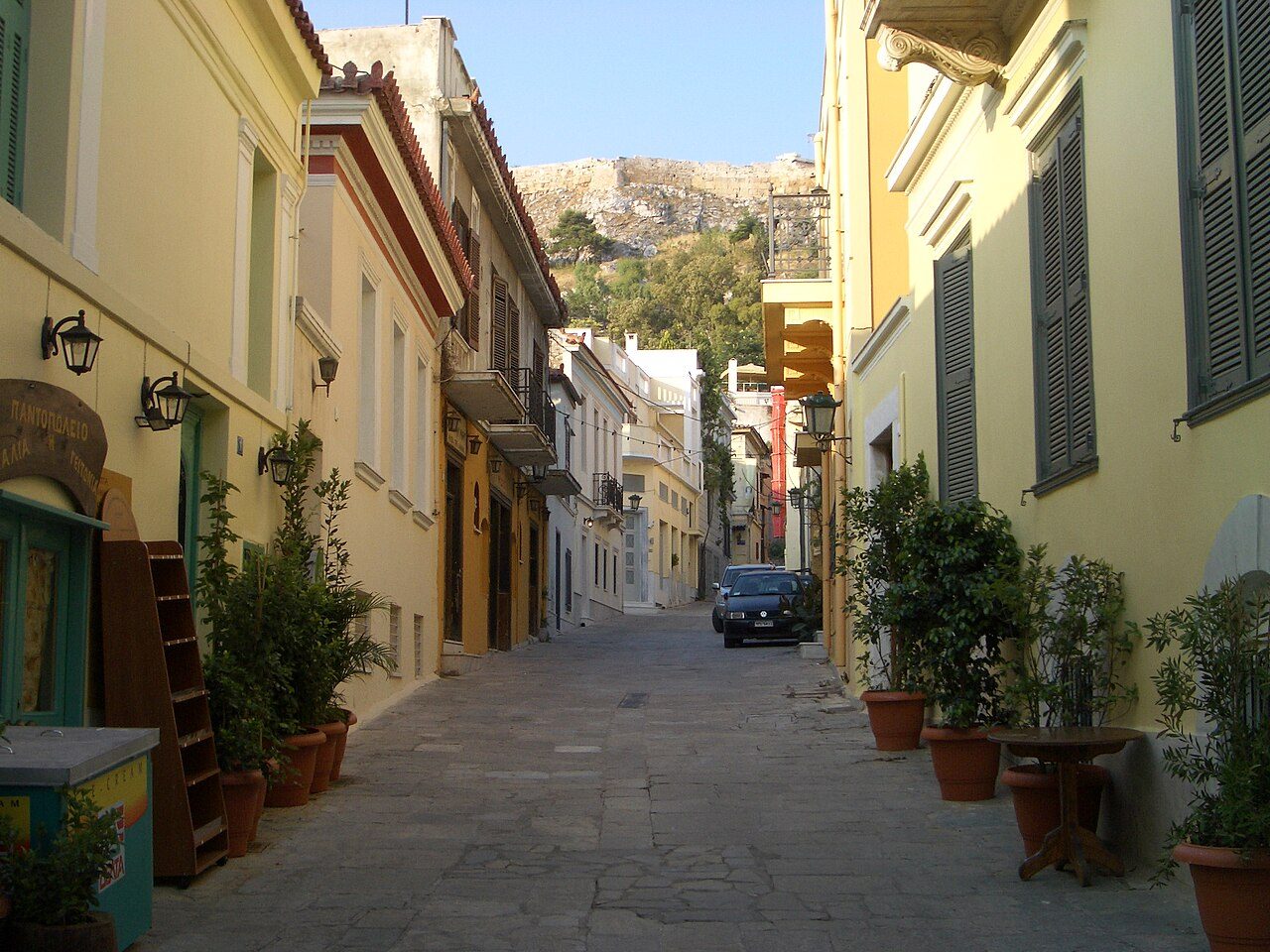
Nestled against the northeastern slope of the Acropolis, Plaka unfurls across the ancient city's residential footprint, inhabited continuously for over three millennia. Beneath terracotta rooflines, its winding pedestrian alleys preserve a layered architectural chronicle, from the 4th-century BCE Choragic Monument of Lysicrates to 11th-century Byzantine chapels crowned with squat brick domes. High on the upper slope sits Anafiotika, a 19th-century micro-neighborhood founded in the 1840s by Cycladic stonemasons summoned to build King Otto’s royal palace. Here, the landscape abruptly shifts from grand Neoclassical townhouses to Aegean island vernacular, characterized by chalk-white cubic dwellings, deep-blue wooden shutters, and cascading magenta bougainvillea. Walking through Plaka means navigating uneven, marble-paved steps that curve along the hillside, particularly down the stepped corridor of Mnisikleous Street. The aroma of wild oregano, roasting lamb, and rich Greek coffee drifts from shaded courtyard tavernas into the narrow streets. In the late afternoon, sunlight catches the ochre and pastel-yellow facades, glints off wrought-iron balconies, and warms the ancient stone underfoot. By twilight, streetlamps cast an amber glow over street musicians strumming *rebetiko* on bouzoukis, all beneath the dramatic, floodlit limestone cliffs and columns of the Parthenon hovering directly overhead.
More in Athens
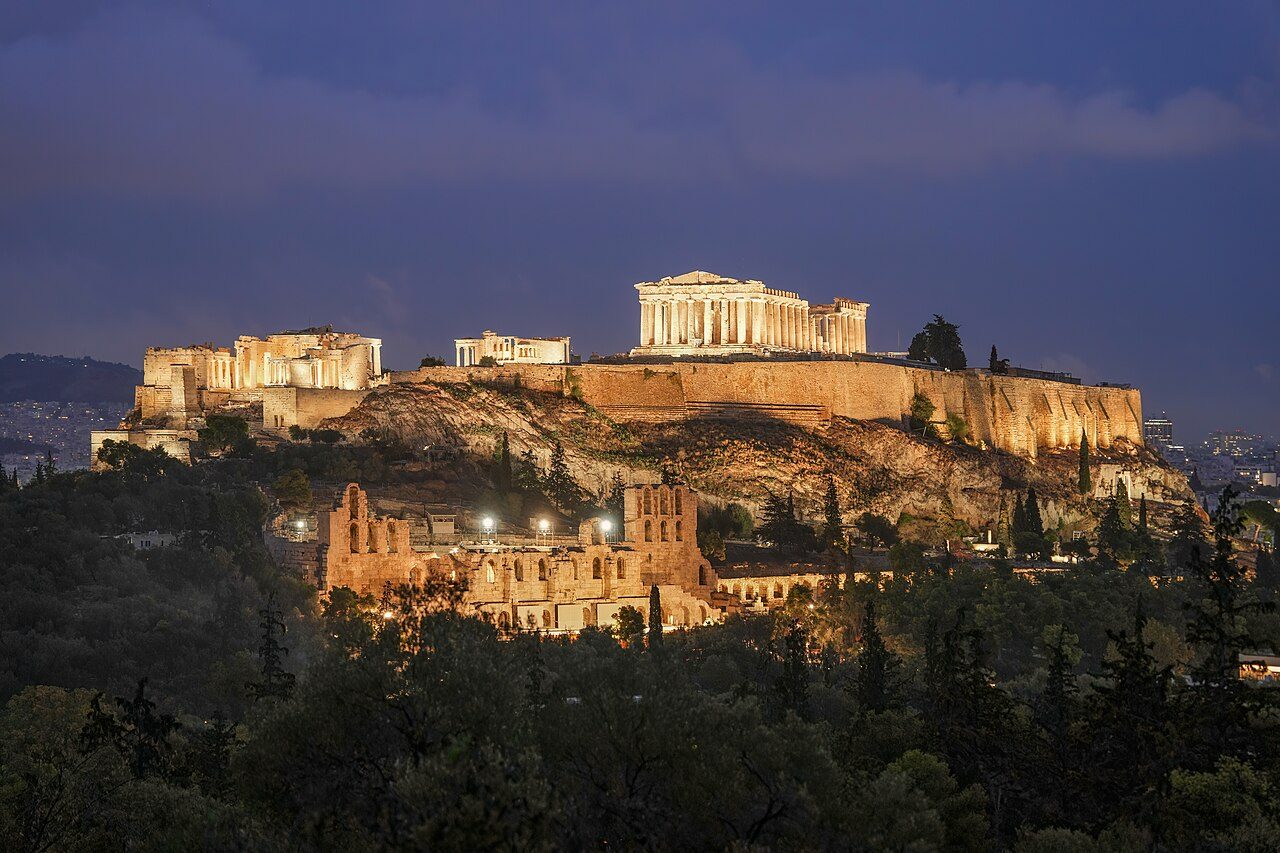
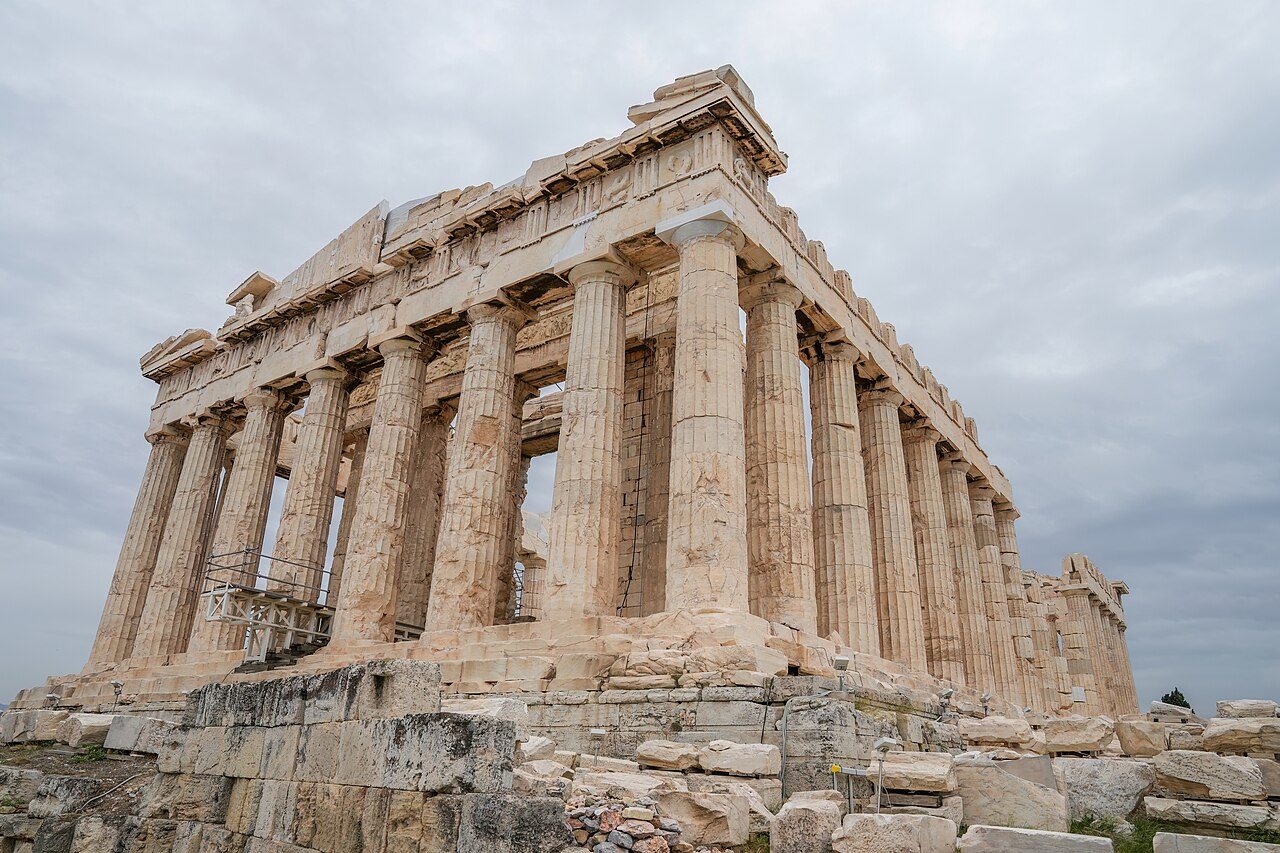
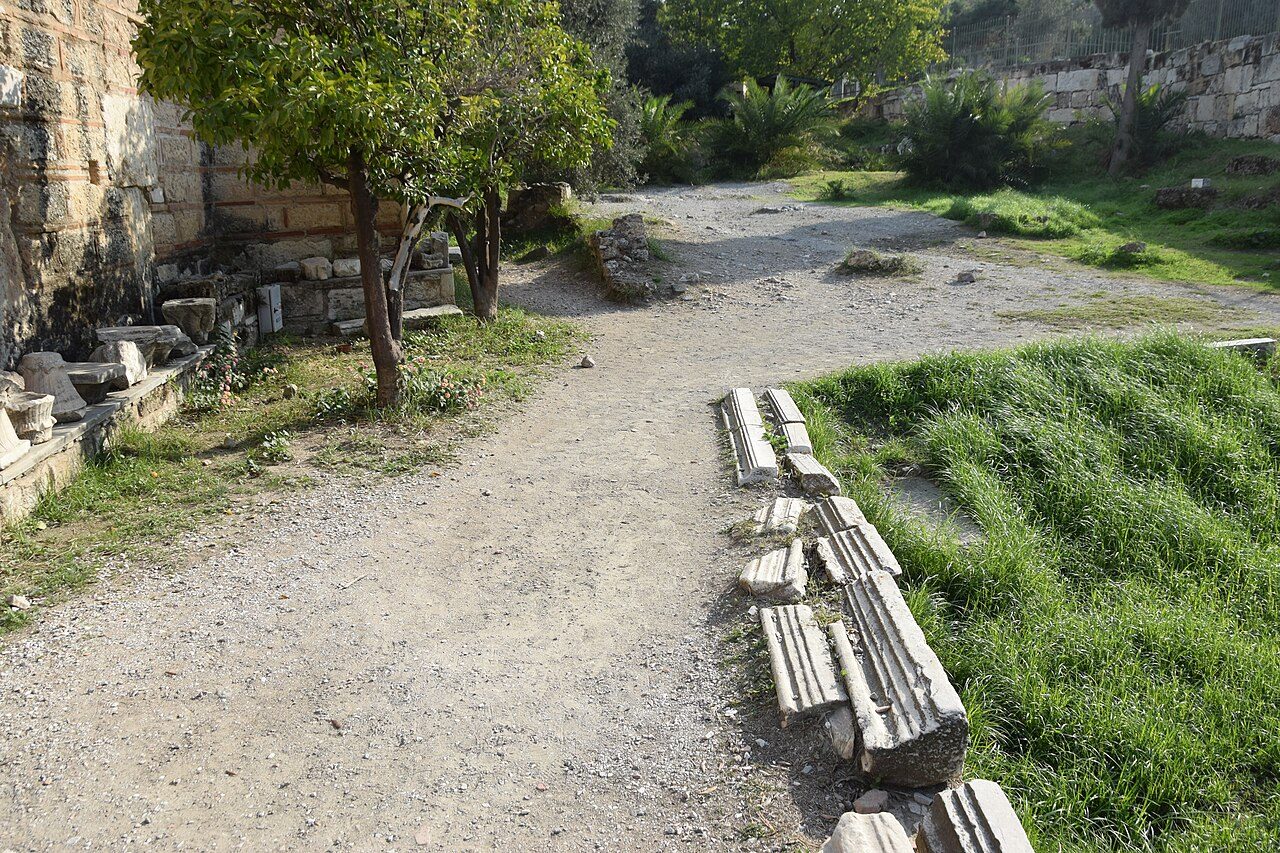
Photo credits (7)
- JFKennedy at English Wikipedia, Public domain, via Wikimedia Commons
- Giles Laurent, CC BY-SA 4.0, via Wikimedia Commons
- Srishti Sethi, CC BY-SA 4.0, via Wikimedia Commons
- Giles Laurent, CC BY-SA 4.0, via Wikimedia Commons
- Giles Laurent, CC BY-SA 4.0, via Wikimedia Commons
- A.Savin, CC BY-SA 3.0, via Wikimedia Commons
- Jean Housen, CC BY-SA 4.0, via Wikimedia Commons