
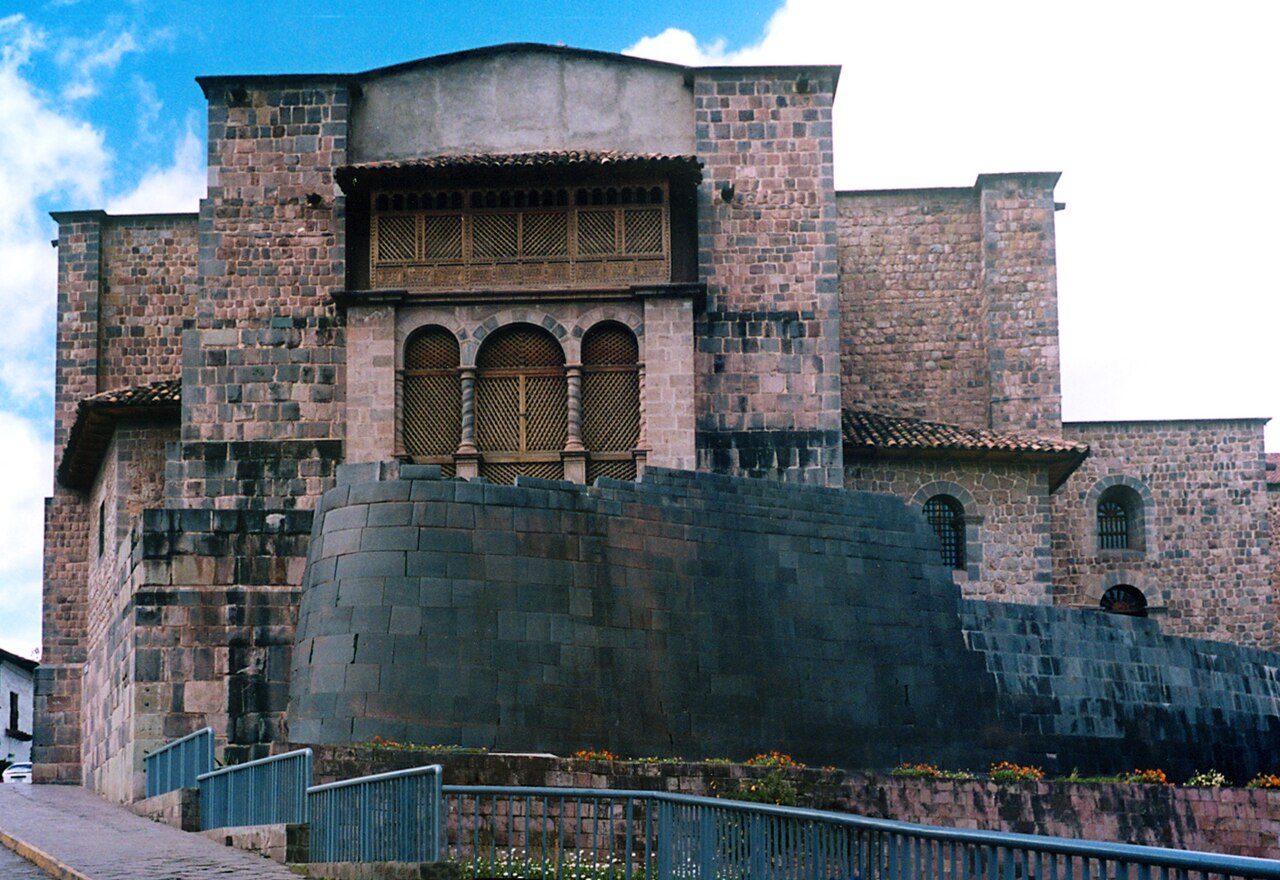
Qorikancha
Once the radiant heart of the Tawantinsuyu, Qorikancha—the Inca "Golden Enclosure"—was transformed under Emperor Pachacuti in the mid-15th century into the empire’s supreme sanctuary dedicated to Inti, the Sun God. Chroniclers described walls sheathed in hundreds of solid gold plates, all stripped away in 1533 to fulfill the ransom of Atahualpa before Spanish friars erected the Convent of Santo Domingo directly over the sacred precinct. Today, this violent cultural collision manifests in a striking architectural synthesis: the dark, volcanic-andesite ashlar masonry of imperial Inca chambers anchors the flamboyant, earthquake-rebuilt Baroque arcades, carved cedar ceilings, and religious canvases of the Cusqueña School. Stepping into the cloister courtyard, visitors trace their fingers along the impossibly tight, mortarless joints of surviving shrines once dedicated to the Moon, Stars, and Thunder—masonry so masterfully beveled that while catastrophic tremors leveled the Dominican church in 1650 and 1950, the Inca foundations never budged. Below, manicured green terraces recall the mythical sun gardens where life-sized gold maize stalks and silver llamas once gleamed. Standing beside the iconic, curved andesite retaining wall, travelers encounter the tangible tension of Andean history: the mathematically flawless stonecraft of a subjugated empire permanently bearing the weight of a Spanish bell tower against the piercing blue Cusco sky.
More in Cusco
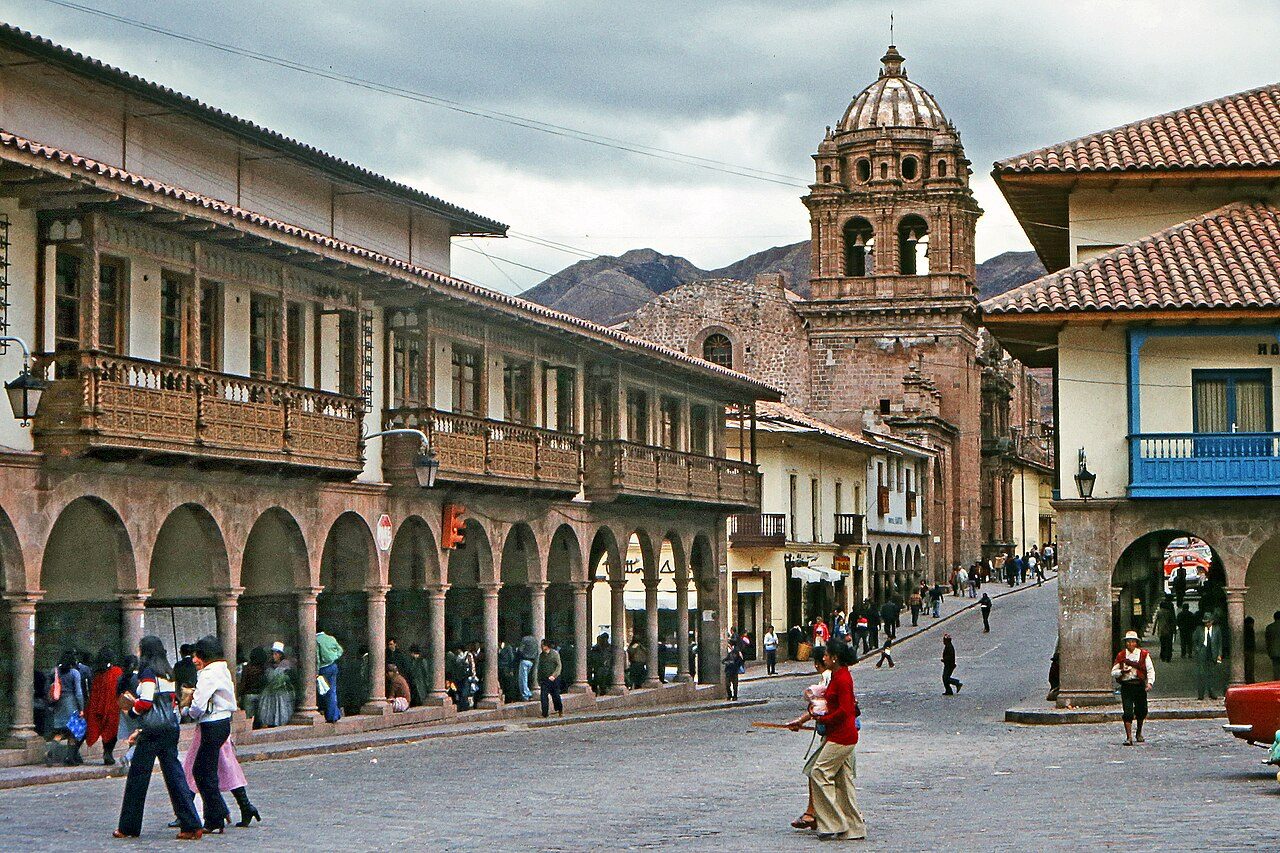
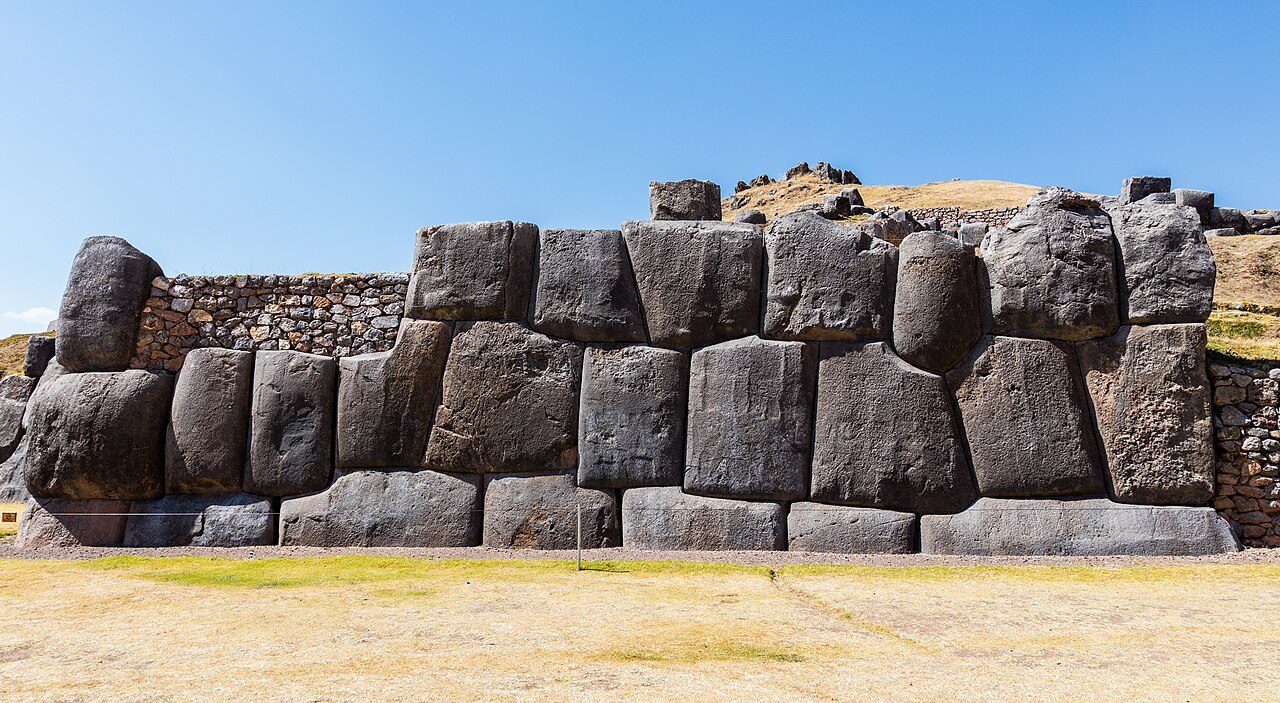


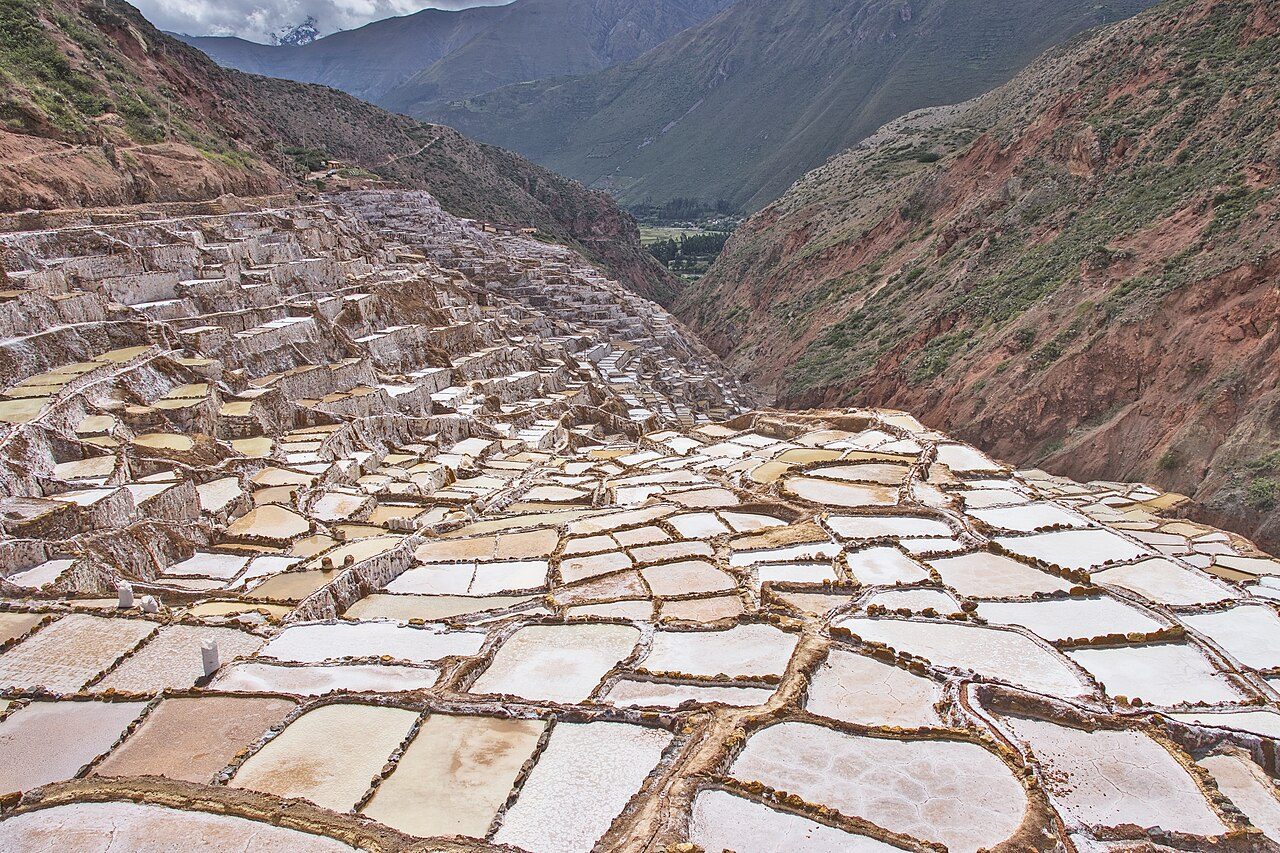
Photo credits (6)
- Håkan Svensson ( Xauxa ), CC BY 2.5, via Wikimedia Commons
- W. Bulach, CC BY-SA 4.0, via Wikimedia Commons
- Diego Delso, CC BY-SA 4.0, via Wikimedia Commons
- Christian Morales Callo, CC BY-SA 4.0, via Wikimedia Commons
- Draceane, CC BY-SA 4.0, via Wikimedia Commons
- Xauxa , Håkan Svensson, CC BY 2.5, via Wikimedia Commons