
Templo Mayor
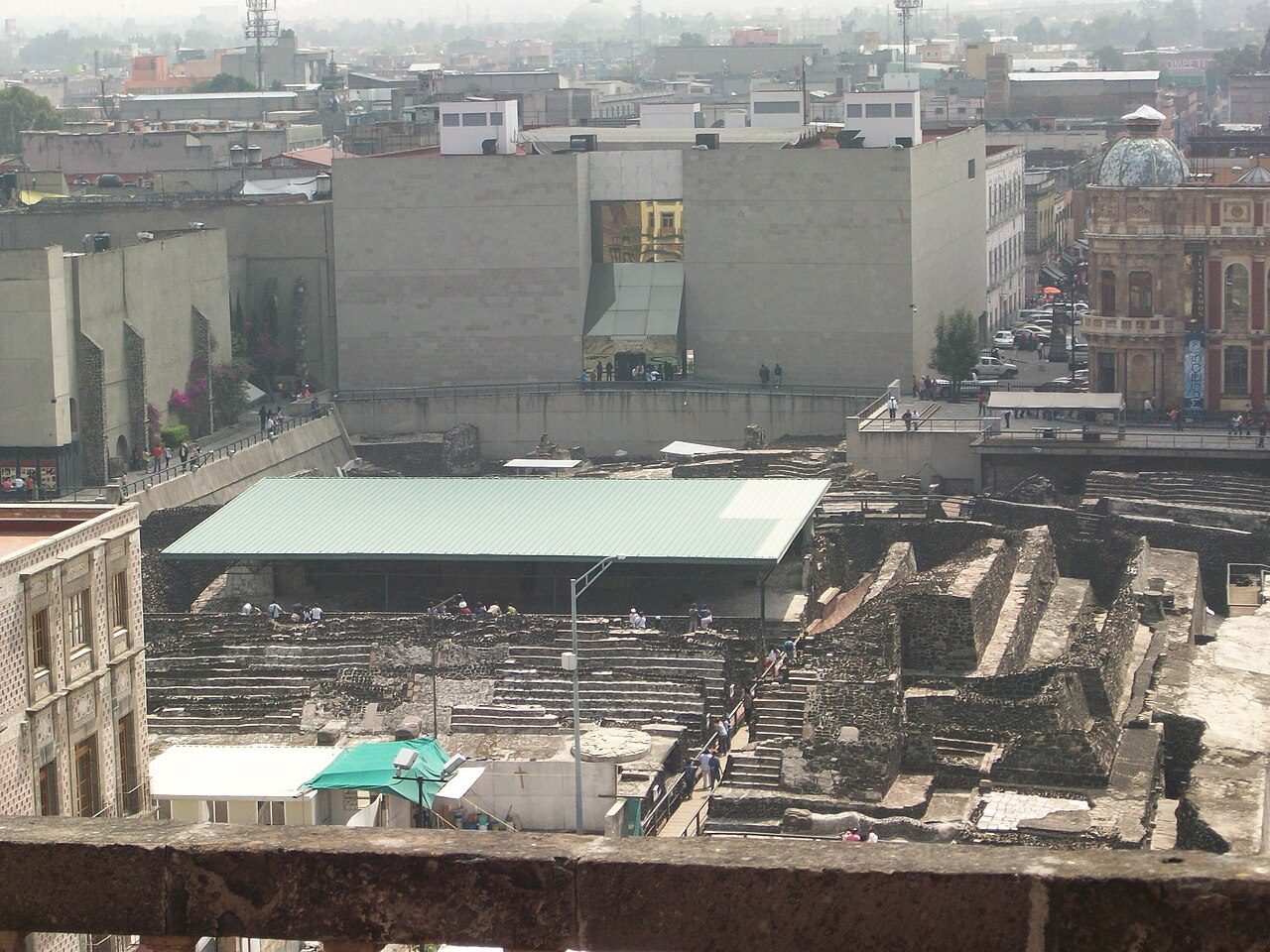
Buried beneath the colonial sprawl of Mexico City until utility workers unearthed the monumental Coyolxauhqui stone disc in 1978, the Templo Mayor once anchored the cosmos of the Mexica empire. Founded around 1325 and rebuilt across seven distinct superimposed phases, this colossal double pyramid served as the sacred *axis mundi* of Tenochtitlan. Surviving basalt carvings and weathered stairs still bear traces of the dual deities who governed imperial life: the northern shrine dedicated to the rain god Tlaloc, accented with faded bands of cerulean blue, and the southern summit of the war patron Huitzilopochtli, painted in sacrificial vermilion. Carved serpent heads with bared fangs project from dark volcanic tezontle walls, while a nearby *tzompantli* reveals rows of stone skulls glaring out into the highland air. Visitors navigate the open-air excavation along elevated metal catwalks suspended directly above the excavated foundations, peering into layered platforms built by successive *tlatoque* (rulers). The earthy scent of exposed limestone and volcanic rock rises from the trenches, set against the striking backdrop of the leaning colonial Metropolitan Cathedral and the roar of the modern Zócalo. The pathway leads naturally into the adjacent on-site museum, where dimly lit galleries showcase turquoise mosaic masks, ceramic urns, and the imposing terracotta statue of an elite Eagle Warrior. Standing over the exposed sanctum, travelers experience the visceral, jarring collision of two fallen and surviving worlds.
More in Mexico City
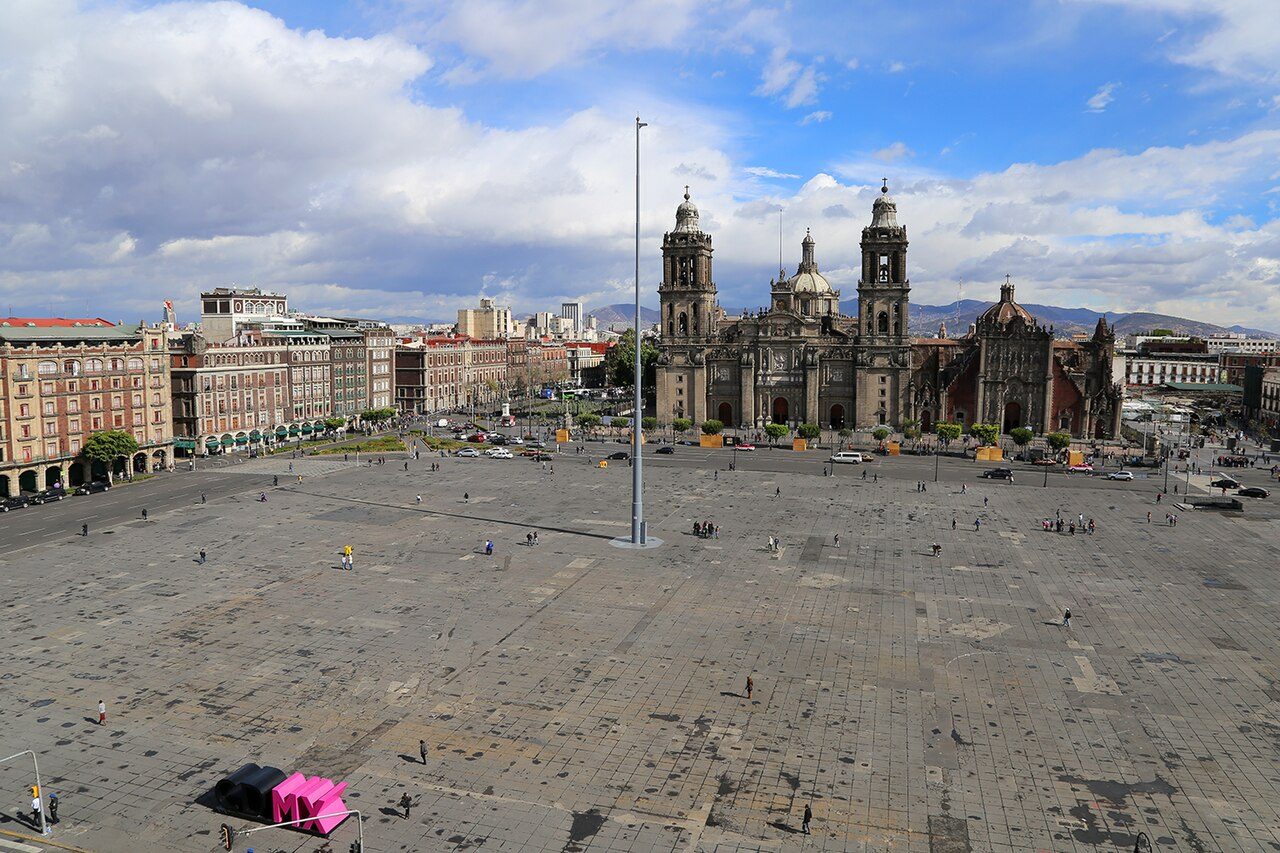
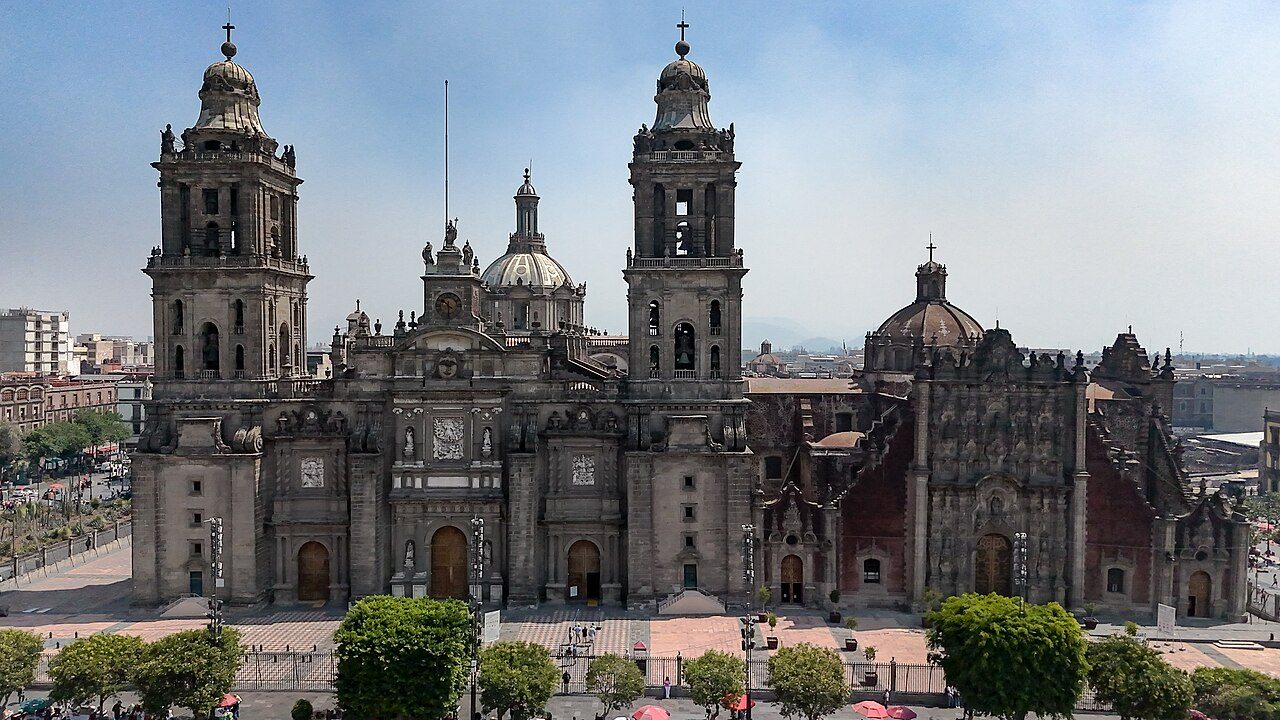
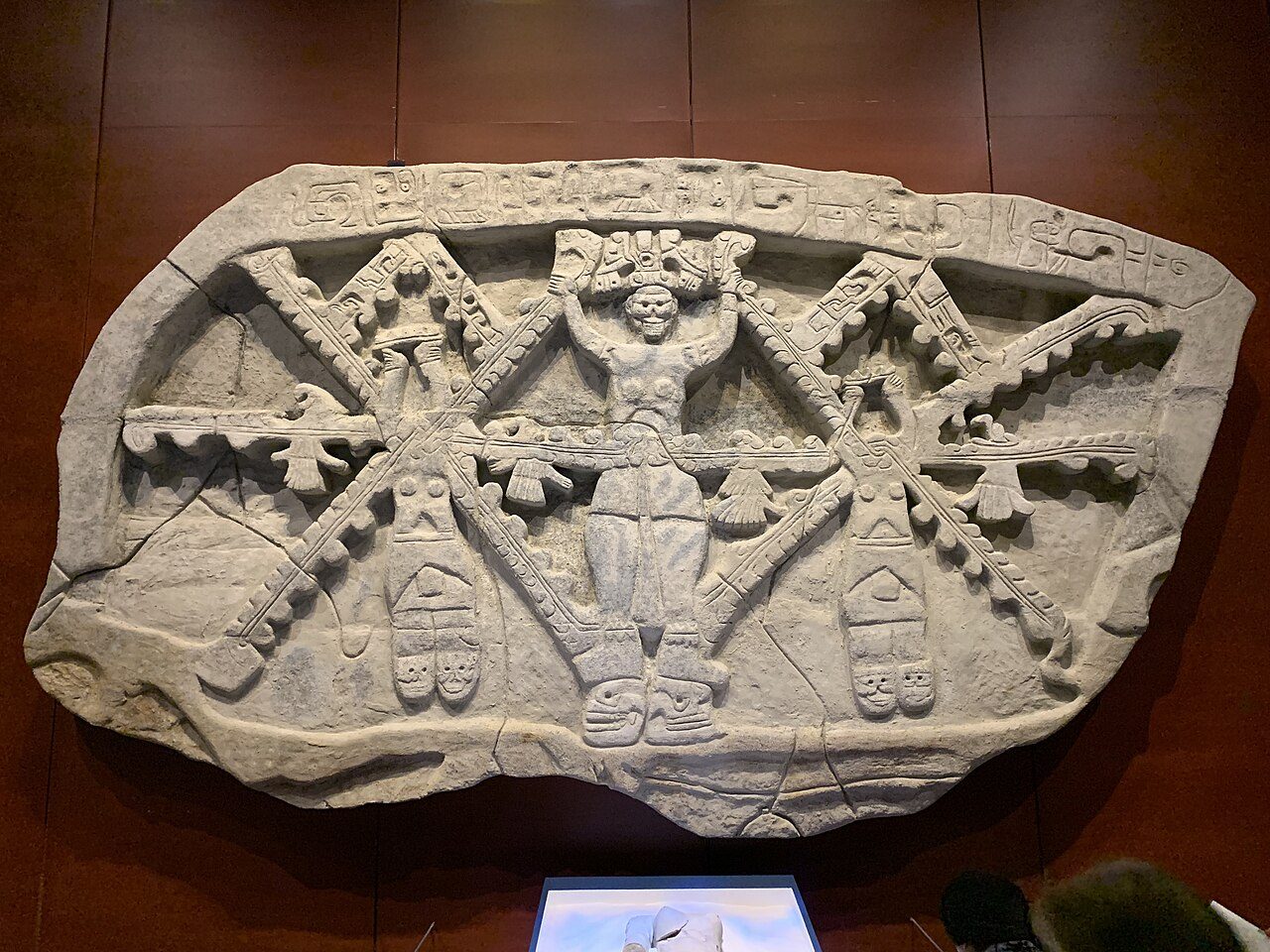
Photo credits (7)
- GAED, CC BY-SA 3.0, via Wikimedia Commons
- Gobierno CDMX, CC0, via Wikimedia Commons
- ProtoplasmaKid, CC BY-SA 4.0, via Wikimedia Commons
- Oleg Yunakov, CC BY-SA 4.0, via Wikimedia Commons
- Own work, CC BY-SA 4.0, via Wikimedia Commons
- Octavio Alonso Maya Castro, CC BY-SA 3.0, via Wikimedia Commons
- No machine-readable author provided. Nachtwächter assumed (based on copyright claims)., CC BY-SA 3.0, via Wikimedia Commons