
 New added
Kaleiçi
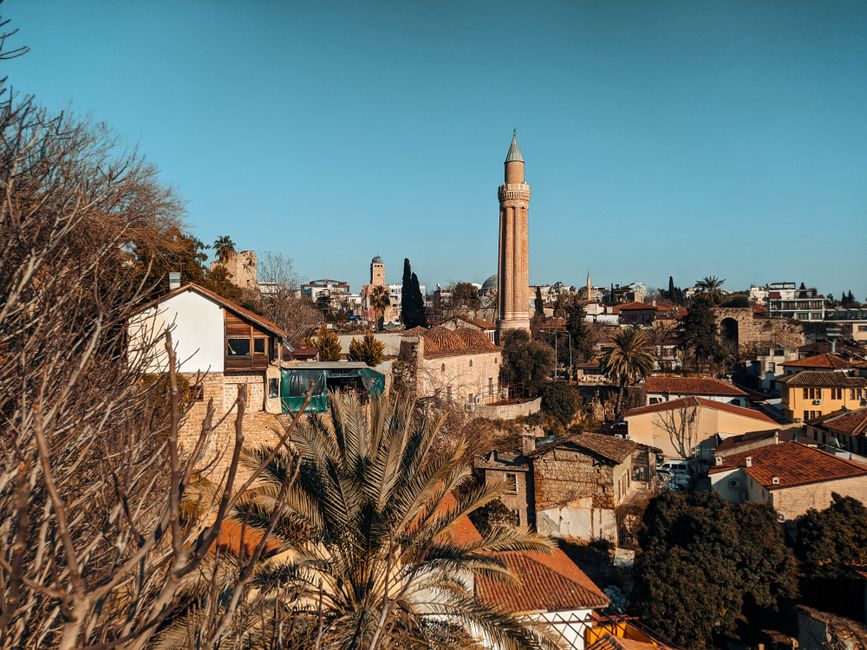
Founded as Attaleia in 150 BCE by King Attalos II of Pergamon, this fortified quarter layers two millennia of maritime empire within its encircling ramparts. Entry through Hadrian’s Gate—a triple-arched white marble monument erected for the Roman emperor’s imperial visit in 130 CE—transfers travelers directly from modern asphalt into a living museum of Seljuk and Ottoman craftsmanship. Dominating the upper skyline is the 13th-century Yivli Minare, commissioned by Seljuk Sultan Alaeddin Keykubad I, whose forty-five-meter fluted red-brick shaft retains flecks of original turquoise tilework. Flanking the steep, cobblestone arteries stand restored Ottoman *konaks* (mansions), their ashlar masonry foundations supporting cantilevered timber upper stories (*cumbas*) washed in pale ochre, terracotta, and lime white. Descending the labyrinthine lanes, visitors brush past cascading purple bougainvillea and catch the scent of night-blooming jasmine mingling with sea salt. The winding alleys funnel downward toward the ancient Roman harbor, where wooden gulets rock against stone quays beneath the shadow of the second-century, cylindrical Hıdırlık Tower. Hidden courtyards behind heavy iron-studded carriage doors reveal quiet garden sanctuaries anchored by pomegranate trees and trickling stone fountains. Standing at the harbor parapets as the call to prayer echoes from the citadel walls, one looks across the cobalt gulf toward the jagged, snow-dusted limestone peaks of the Beydağları mountains, viewing the exact maritime theater once navigated by Byzantine dromons and Ottoman corsairs.
More in Antalya
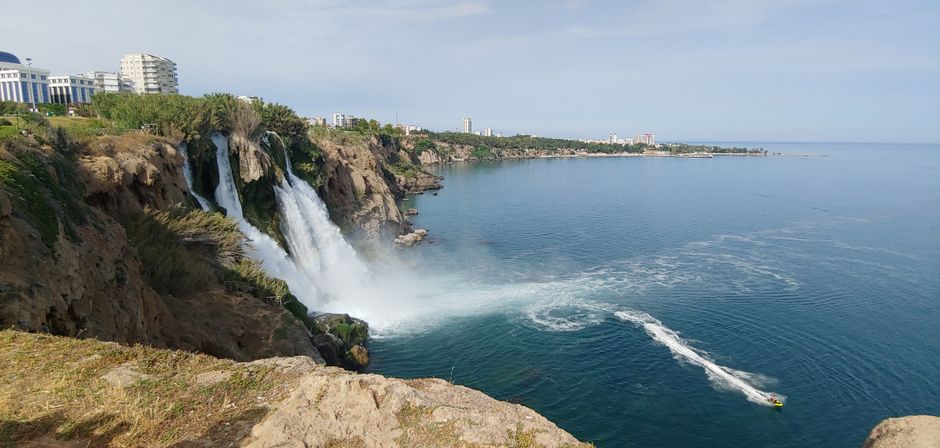
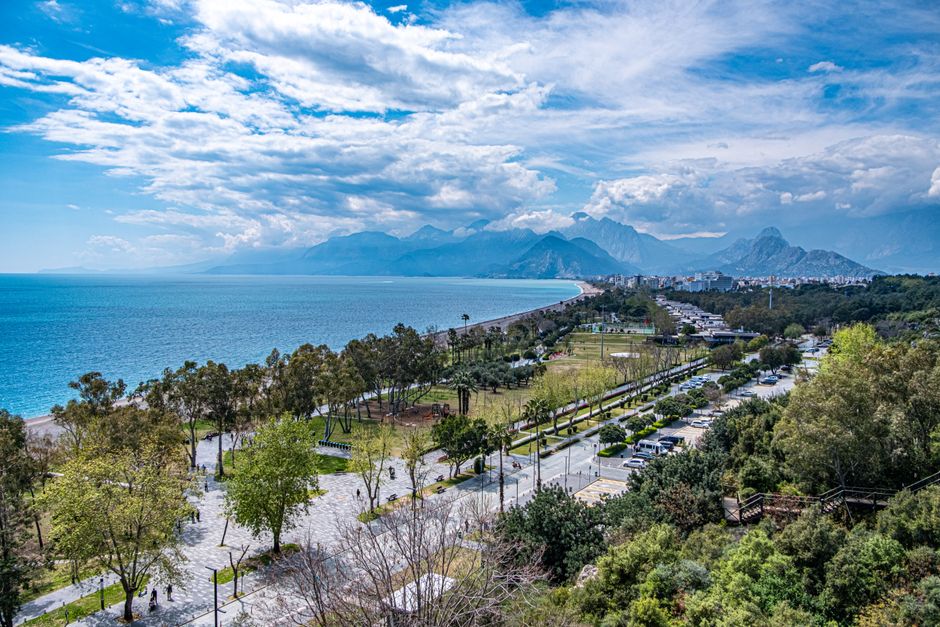
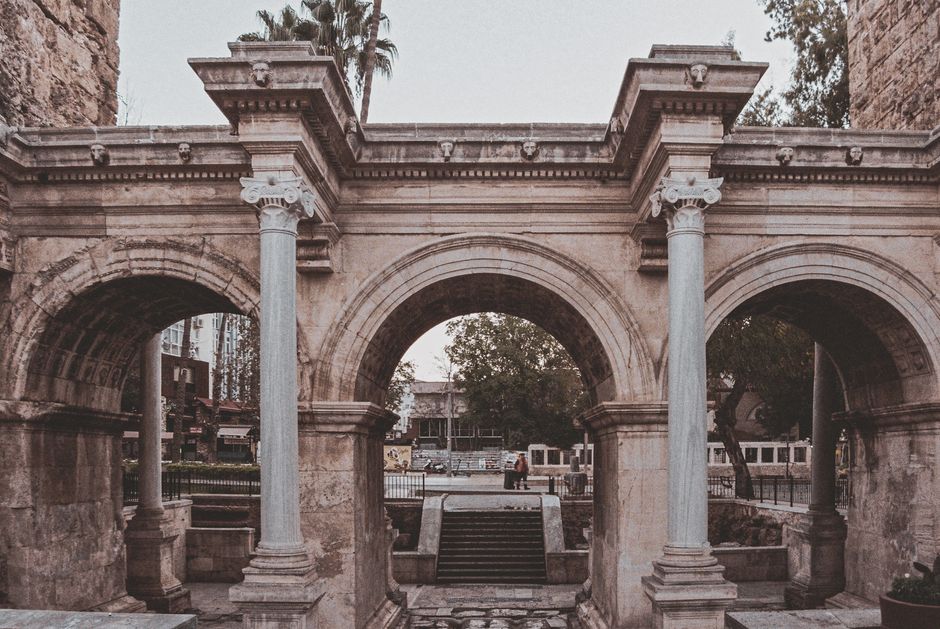
Photo credits (3)
- Saffron Blaze, CC BY-SA 3.0, via Wikimedia Commons
- Saffron Blaze, CC BY-SA 3.0, via Wikimedia Commons
- Martin Cígler, CC BY-SA 3.0, via Wikimedia Commons