
Lun Ekranoplan (Caspian Sea Monster)
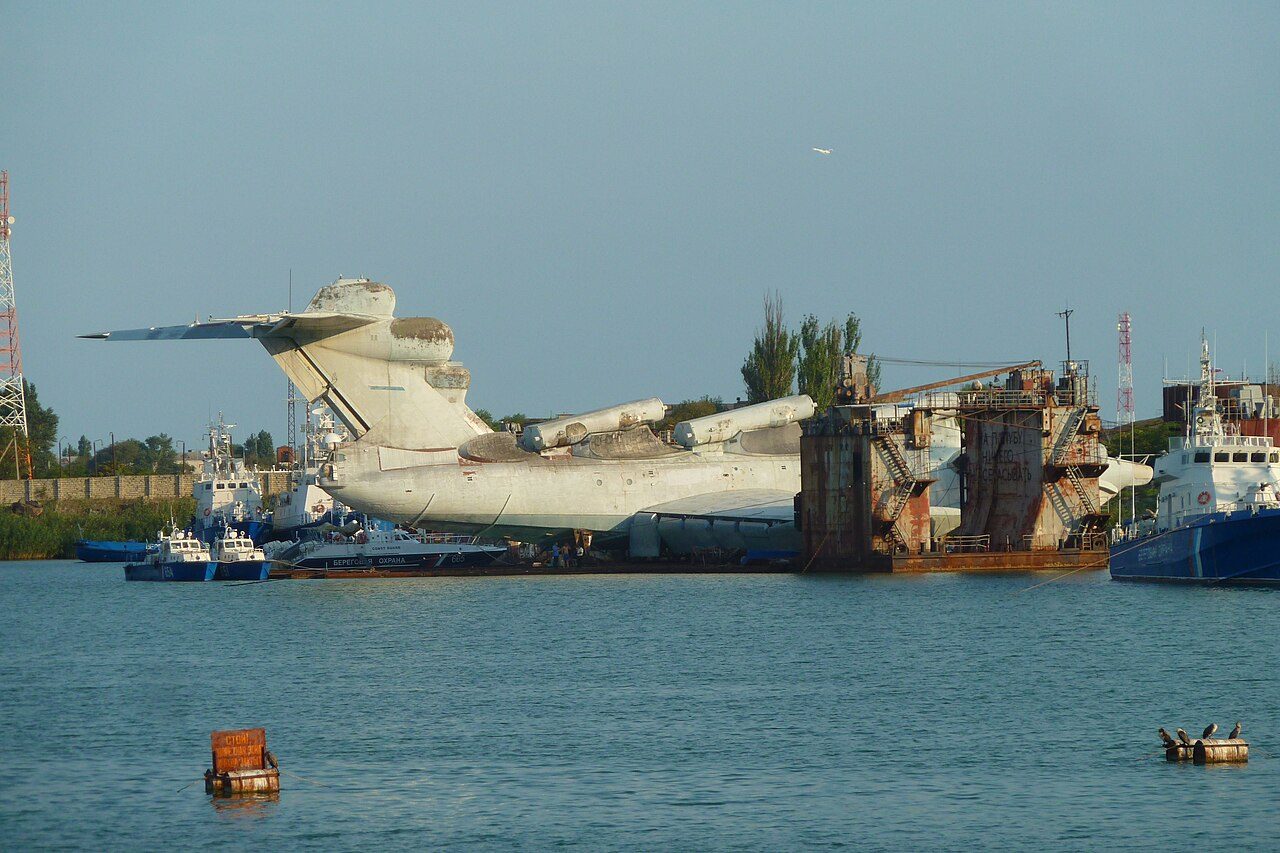
Conceived during the height of the Cold War by Soviet hydrofoil designer Rostislav Alexeyev, the *Lun*-class ekranoplan (Project 903) was completed in 1987 as a formidable triumph of ground-effect aerodynamics. Neither fully aircraft nor conventional warship, this 240-foot hybrid was engineered to skim mere meters above the sea at 300 knots, slipping beneath naval radar grids. Today, the sole completed prototype—designated MD-160—rests like an extraterrestrial leviathan on the Caspian shoreline south of Derbent. Its sea-gray, brutalist fuselage remains an astonishing spectacle, crowned by six angled P-270 Moskit supersonic missile tubes mounted in twin dorsal batteries along its spine. Standing beneath its monolithic shadow, travelers encounter a surreal relic of late-Soviet military ambition marooned on the tide line. Strong Caspian winds buffet the craft’s forward canards, where an intimidating row of eight Kuznetsov NK-87 turbofan engines clusters behind the cockpit windows like a jagged iron collar. The colossal T-tail rises nearly five stories into the salt-crusted air, utterly dwarfing visitors who walk along its rusted waterline and touch the textured, rivet-studded aluminum skin. Up close, the silence surrounding this beached behemoth feels intensely cinematic, offering a visceral confrontation with an alternate technological future frozen upon the desolate Dagestani sands.
More in Derbent



Photo credits (6)
- Fred Schaerli, CC BY-SA 3.0, via Wikimedia Commons
- Alexander Novikov, CC BY-SA 4.0, via Wikimedia Commons
- Alexander Novikov, CC BY-SA 4.0, via Wikimedia Commons
- Vyacheslav Bukharov, CC BY-SA 4.0, via Wikimedia Commons
- Martemmedia, CC BY-SA 4.0, via Wikimedia Commons
- Anzor Agamirzoyev, CC BY-SA 4.0, via Wikimedia Commons