
 New added
Diocletian's Palace
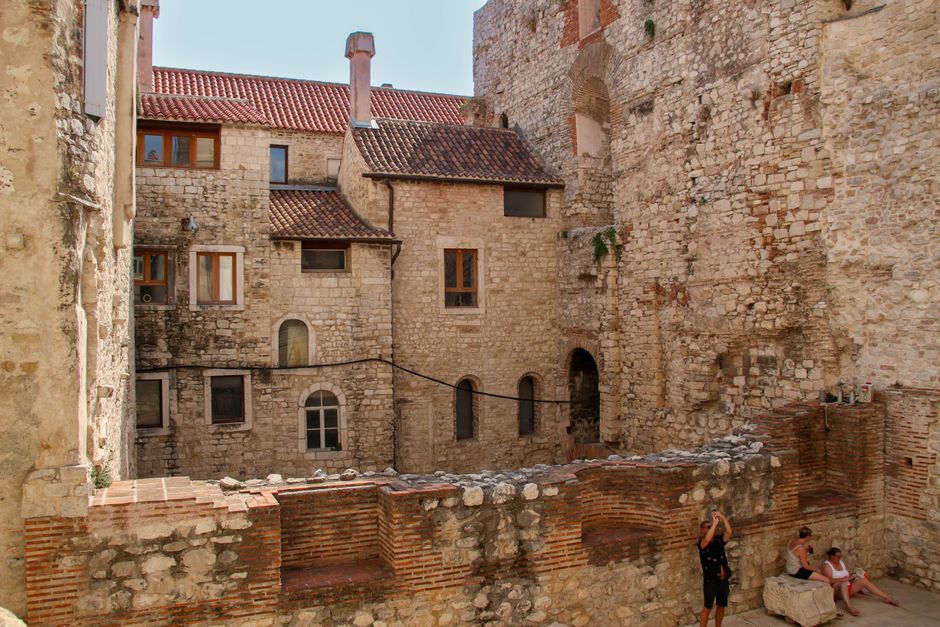
Completed in AD 305 as a fortified seaside retirement compound for Roman Emperor Diocletian, this colossal complex defies the boundary between ancient relic and living city. Constructed from luminous white Brač limestone and imported marble, the design merges the rigid quadrangle of a Roman military *castrum* with the opulent indulgence of a Hellenistic villa. At its core lies the Peristyle, a sunken colonnaded courtyard framed by rose-granite Corinthian pillars and guarded by a 3,500-year-old black granite sphinx imported from Egypt. Looming above, the emperor’s octagonal mausoleum—ironically consecrated centuries later into the Cathedral of Saint Domnius—faces the brick-walled Vestibule, whose open circular oculus frames the Mediterranean sky where a glittering mosaic dome once stood. Wandering into the damp subterranean substructures, travelers traverse vast, barrel-vaulted stone halls that mirror the vanished imperial apartments above, insulated by silent, subterranean cool. Emerging into the labyrinth of above-ground alleys, visitors encounter an extraordinary layer cake of architectural history: medieval Venetian townhouses and Gothic arches sprout directly out of Roman brickwork. Green wooden shutters rattle overhead while fresh laundry hangs suspended between ancient lintels, and candlelit wine bars hum within converted Roman guardhouses. Beneath the dome of the Vestibule, traditional *klapa* singers gather unannounced, casting rich polyphonic melodies that echo off smoothed limestone worn slick by seventeen centuries of footsteps.
More in Split
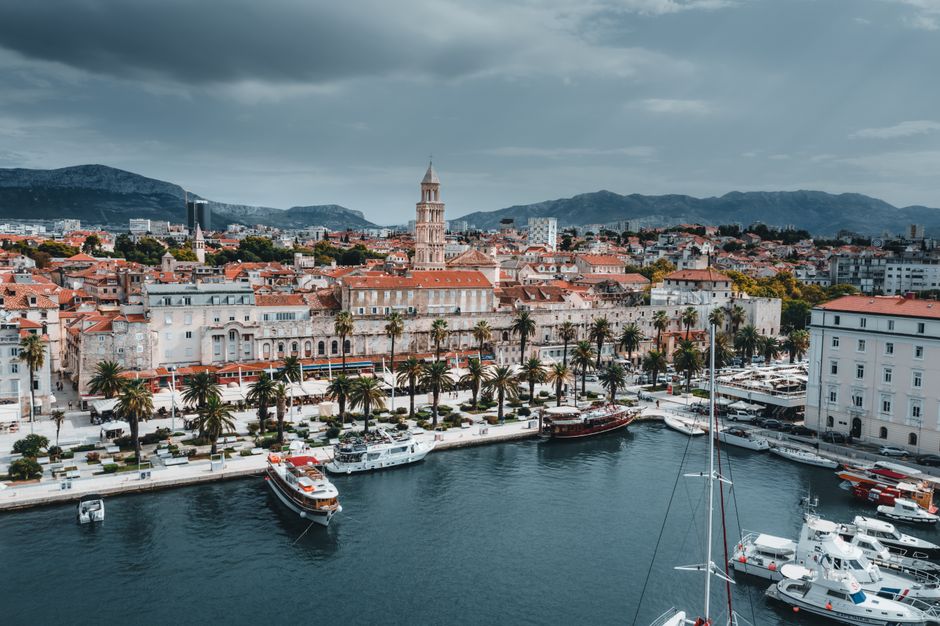
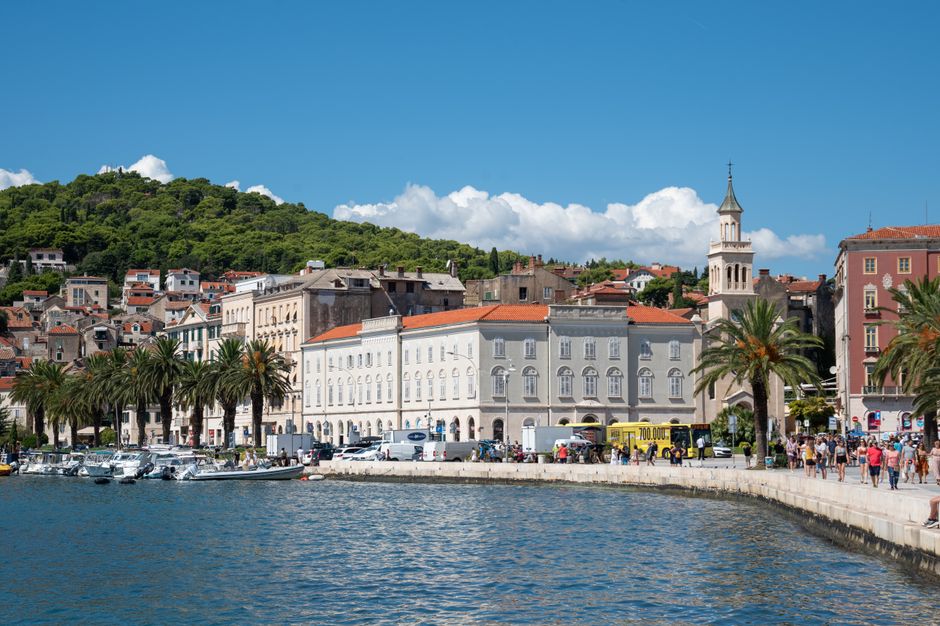
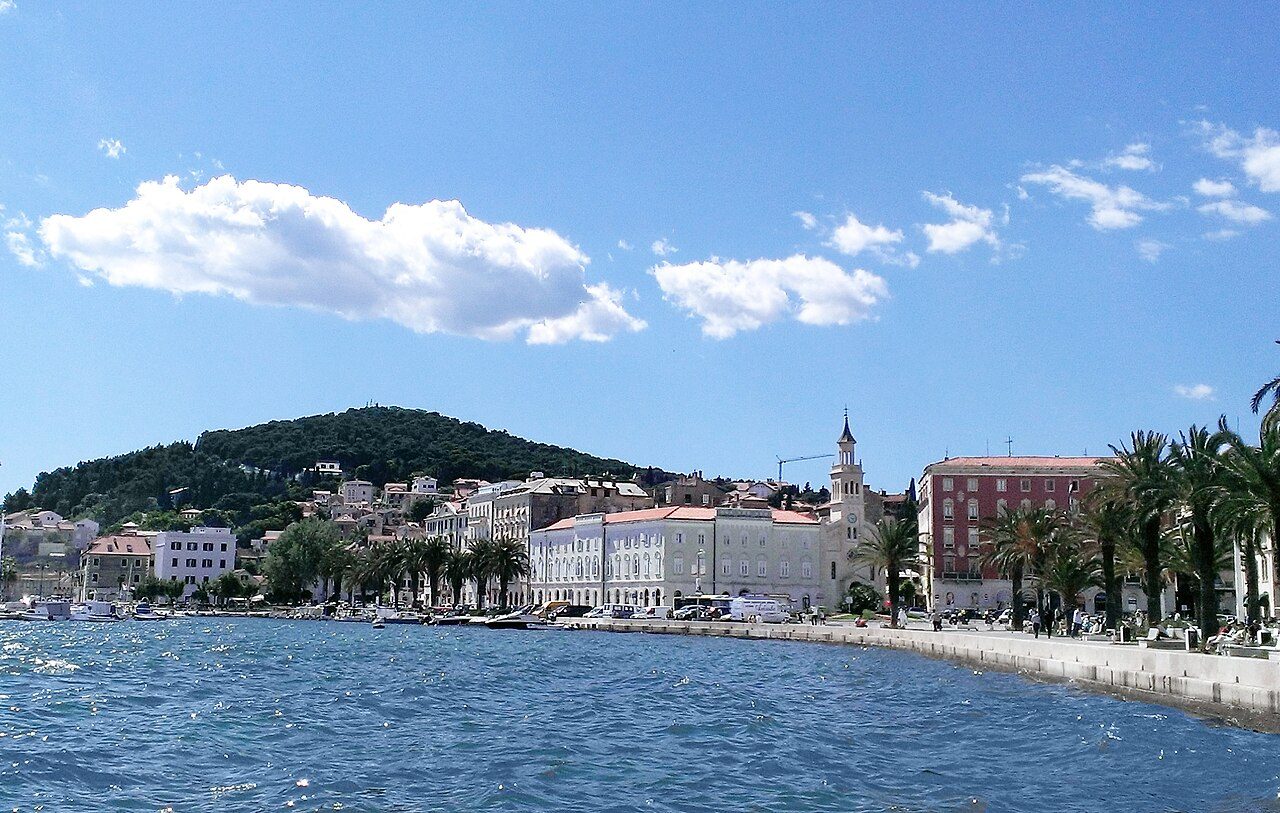
Photo credits (2)
- DIREKTOR, CC BY-SA 3.0, via Wikimedia Commons
- Ivan T., CC BY 3.0, via Wikimedia Commons