 New added
Alcatraz
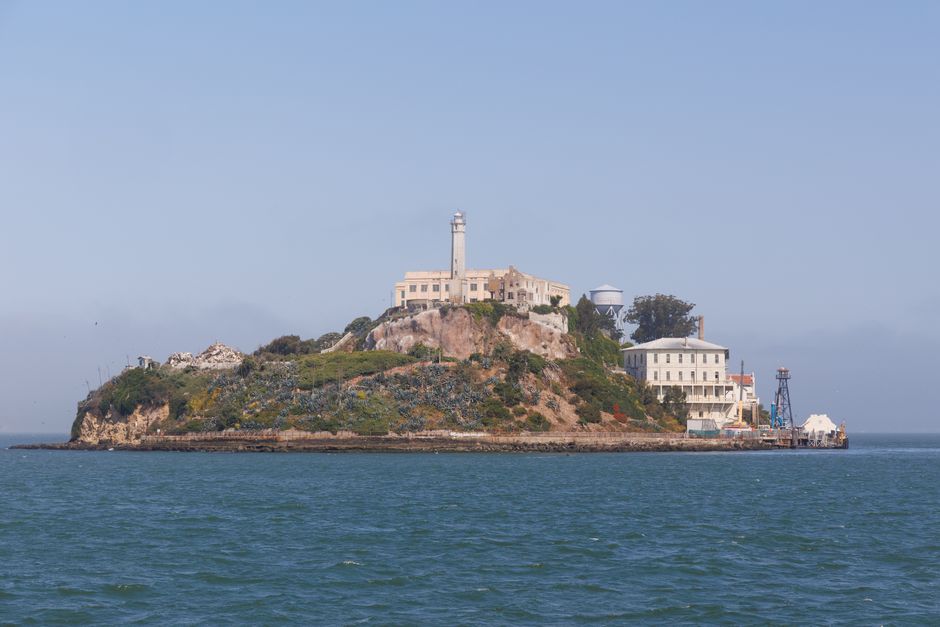
Rising abruptly from the frigid currents of San Francisco Bay, this 22-acre sandstone outcropping evolved from an 1850s military garrison into America’s most impenetrable maximum-security federal penitentiary (1934–1963). Its stark, utilitarian 1912 reinforced concrete cellhouse once confined notorious convicts like Al Capone and George "Machine Gun" Kelly across three tiers of steel-barred cages. Layered histories mark the island’s weathered exterior: the skeletal brick ruins of the Victorian Warden’s House, the Pacific Coast’s oldest operating lighthouse tower, and faded red graffiti reading "Indians Welcome" scrawled across the rusting water tower—a physical testament to the 1969 occupation by the Indians of All Tribes that catalyzed the modern Native American civil rights movement. Ascending steep switchbacks bordered by naturalized heirloom rose gardens, travelers enter the cavernous chill of the main cellblock. Along the central corridor nicknamed "Broadway," visitors peer into cramped five-by-nine-foot cells furnished only with rusted iron cots, thin mattresses, and fold-down tin desks. The mechanical clatter of slam-shut steel doors echoes through the acclaimed audio tour, building a claustrophobic tension that deepens inside the pitch-black seclusion of D-Block’s solitary confinement cells. Stepping onto the concrete expanse of the outdoor recreation yard, that bleak interior isolation meets a striking sensory shock: bracing Pacific winds and salt spray whip across the terrace, revealing an agonizingly close, glittering panorama of the San Francisco skyline just over a mile across the churning water.