 New added
Golden Gate Bridge
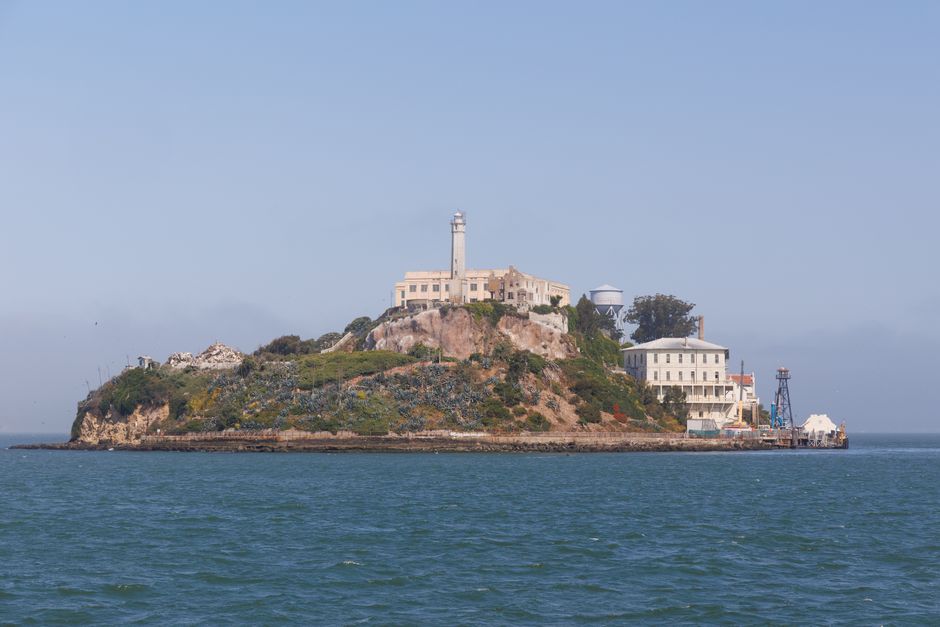
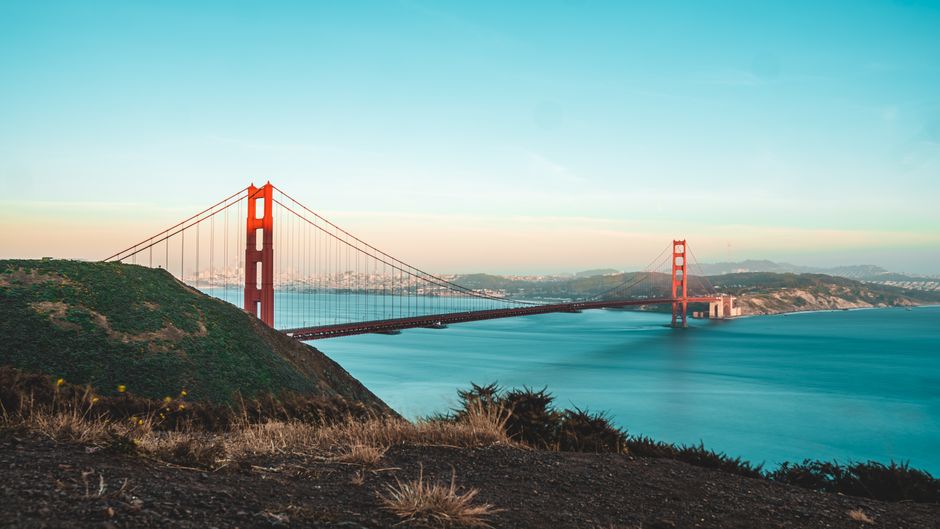
Engineered against the roaring currents of the Pacific entrance and completed in May 1937, the Golden Gate Bridge stands as a monumental triumph of Depression-era ingenuity. While chief engineer Joseph Strauss championed the crossing’s unprecedented 4,200-foot suspension span, consulting architect Irving Morrow defined its striking Art Deco aesthetic. Morrow rejected standard industrial gray, selecting a vibrant International Orange sealant specifically formulated to pierce the bay’s dense maritime squalls. Soaring from submerged concrete caissons, the twin 746-foot steel towers showcase fluted, chevron-embossed vertical profiles that taper toward the sky, anchoring two sweeping 36.5-inch-diameter cables that suspend the 1.7-mile roadway across the strait. Walking the open pedestrian promenade, visitors immediately feel the kinetic power of the structure. The deck gently vibrates and sways under the cadence of passing traffic, accompanied by the persistent chill of ocean gusts and the deep, mournful bray of foghorns mounted beneath the span. As Pacific fog rolls across the strait, the bridge appears in cinematic shifts: brilliant flashes of vermilion steel slicing through heavy white mist, sudden vistas revealing the emerald cliffs of the Marin Headlands, and eastward glimpses across the churning bay toward the silhouette of Alcatraz Island and the San Francisco skyline.