
Mecca
Mecca rests in a narrow desert valley among the rugged granite peaks of the Sirat Mountains in western Saudi Arabia’s Hejaz region. Walking through its central corridors, you are enveloped by an unceasing, rhythmic hum: the call to prayer echoing off stony hills, the shuffle of sandals on polished marble, and the rich scents of burning oud and roasted cardamom drifting from open storefronts. Dry heat radiates off the pale stone, contrasting with the air-cooled plazas where pilgrims in seamless white garments move in steady streams. Long before its pivotal transformation under the Prophet Muhammad in 630 CE, this valley served as an ancient caravan crossroad. At its spiritual heart stands Masjid al-Haram, enclosing the black silk-draped Kaaba and the ancient Zamzam well. Just above, the modern Abraj Al-Bait clock tower looms over the dense residential quarters of Al-Misfalah. A short journey northeast leads to Jabal al-Nour, the barren mountain holding Hira Cave, reached by a steep footpath carved directly into the jagged rock face. Daily life revolves around bustling commercial pockets like Souq Al-Khalil, where merchants weigh out dark Ajwa dates and serve bowls of saleeg, a traditional dish of meat over creamy, broth-simmered rice. During Ramadan and the annual Hajj pilgrimage, the city shifts its rhythms entirely to the night, with market stalls operating until dawn. The winter months from November to February bring milder weather. The Haramain High-Speed Railway connects the city to Jeddah in under thirty minutes, though walking remains the most practical way to navigate the crowded core.
Read more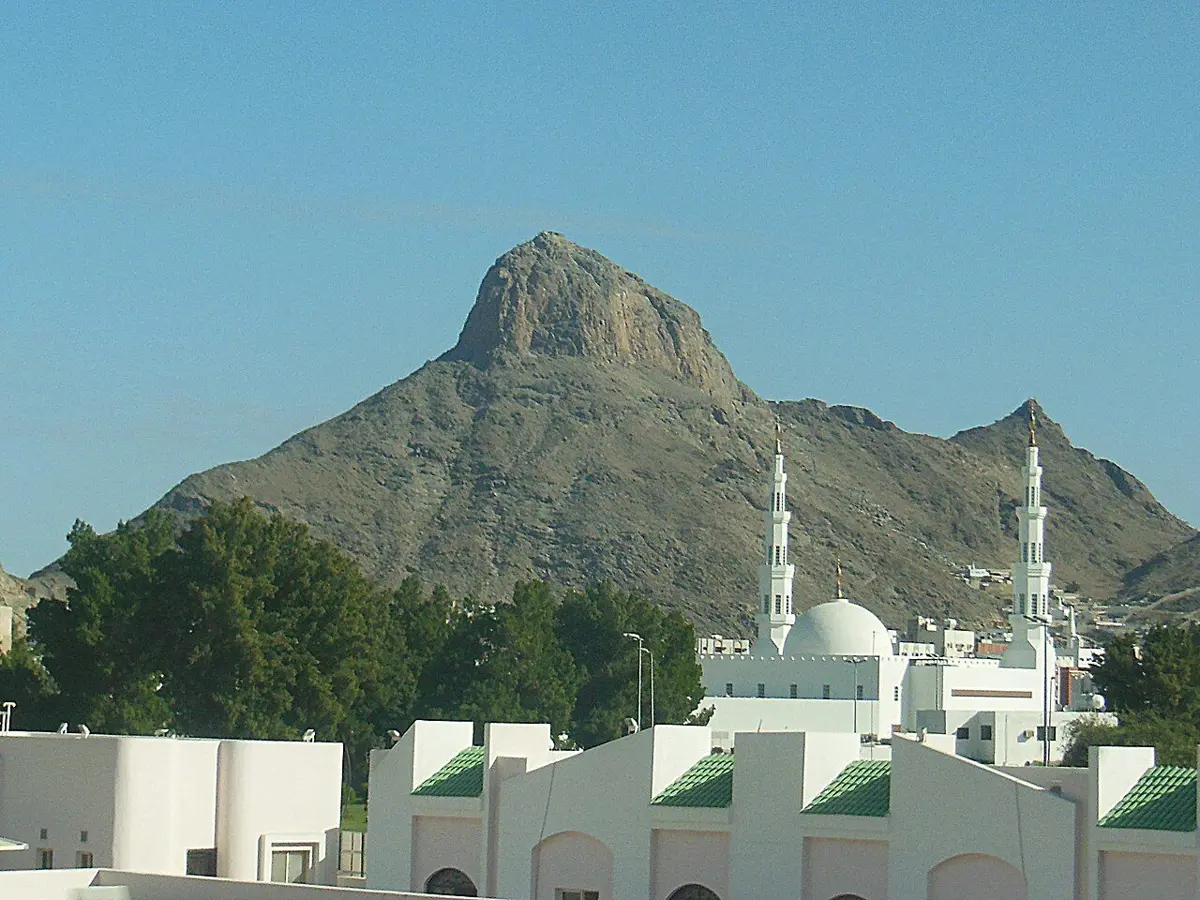
What to see in Mecca
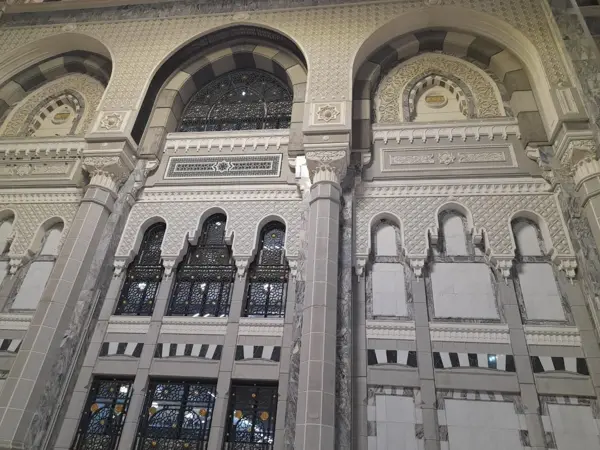
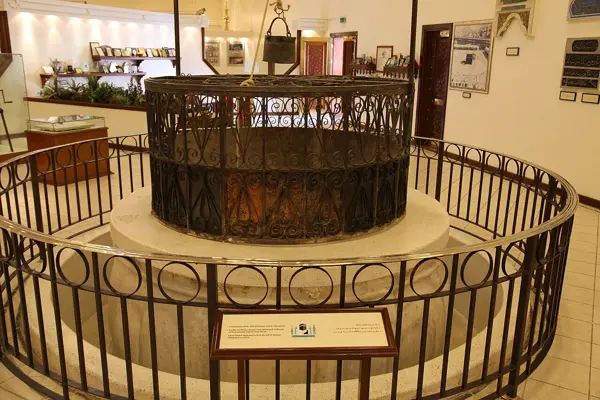
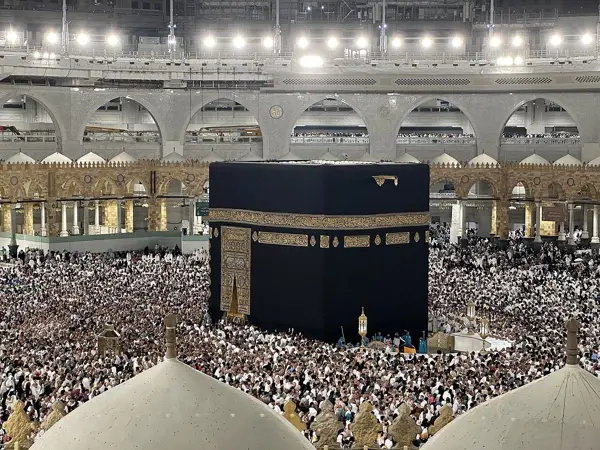
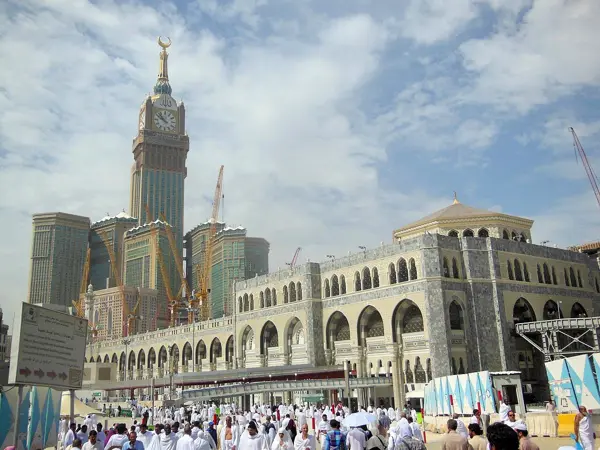
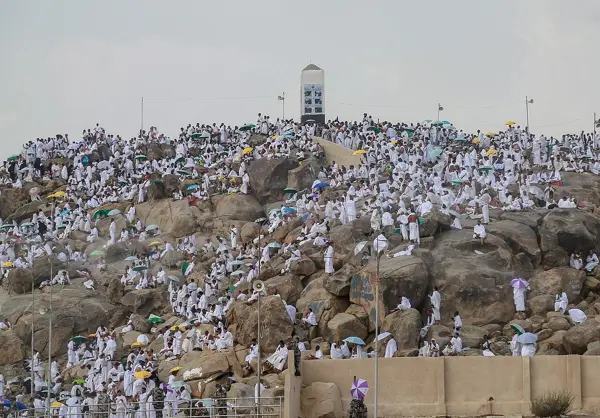
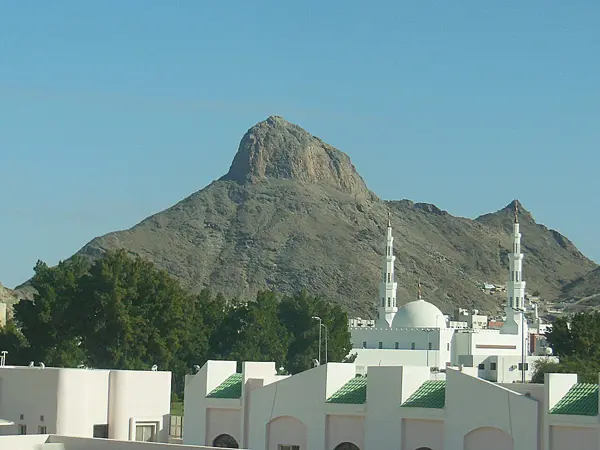
Photo credits (6)
- King Eliot, CC BY-SA 4.0, via Wikimedia Commons
- Indonesiagood, CC BY 4.0, via Wikimedia Commons
- Mohammad Bahareth, CC BY-SA 2.0, via Wikimedia Commons
- Qibla-direction, CC0, via Wikimedia Commons
- King Eliot, CC BY-SA 4.0, via Wikimedia Commons
- saudipics, CC BY-SA 4.0, via Wikimedia Commons