Jabal al-Nour
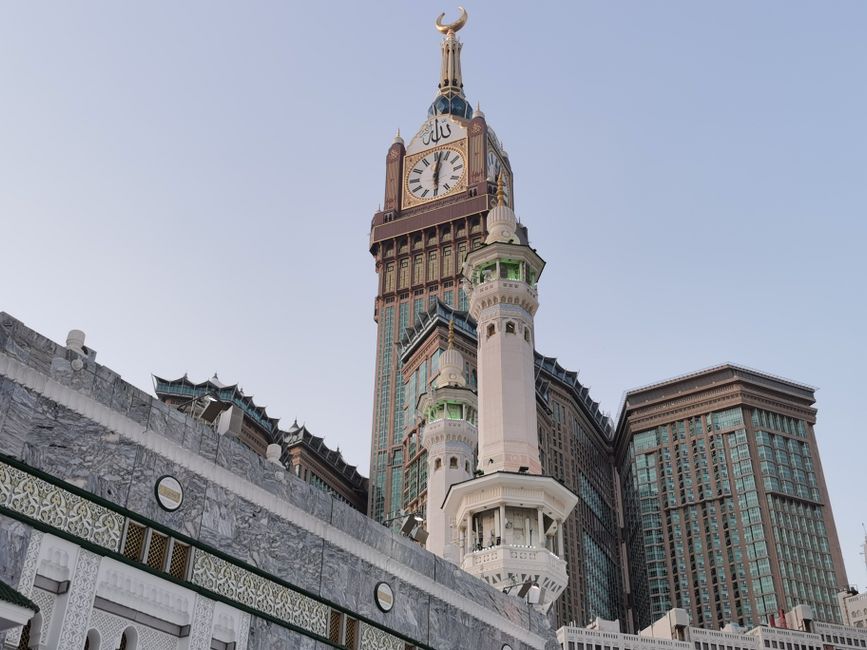
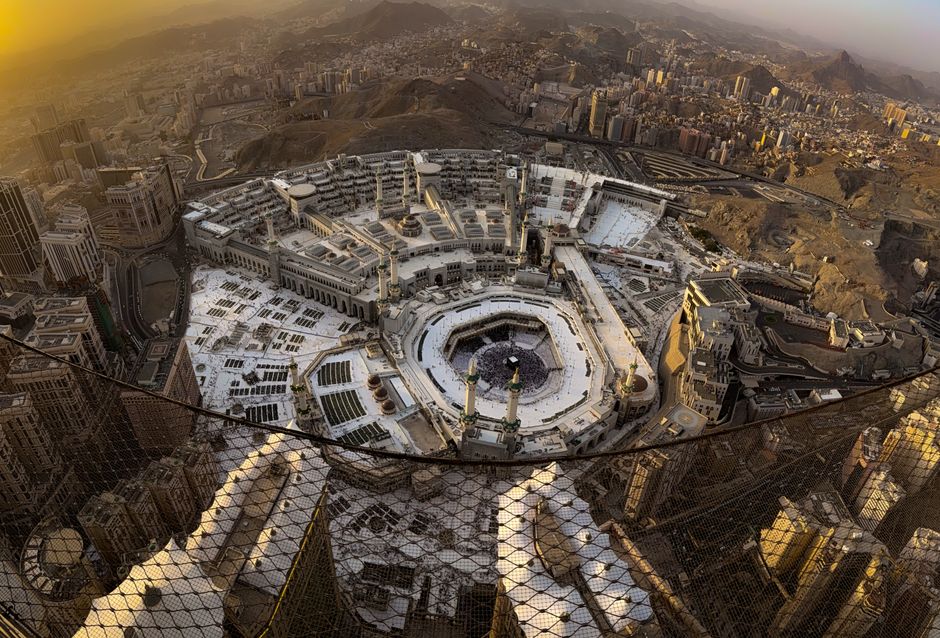
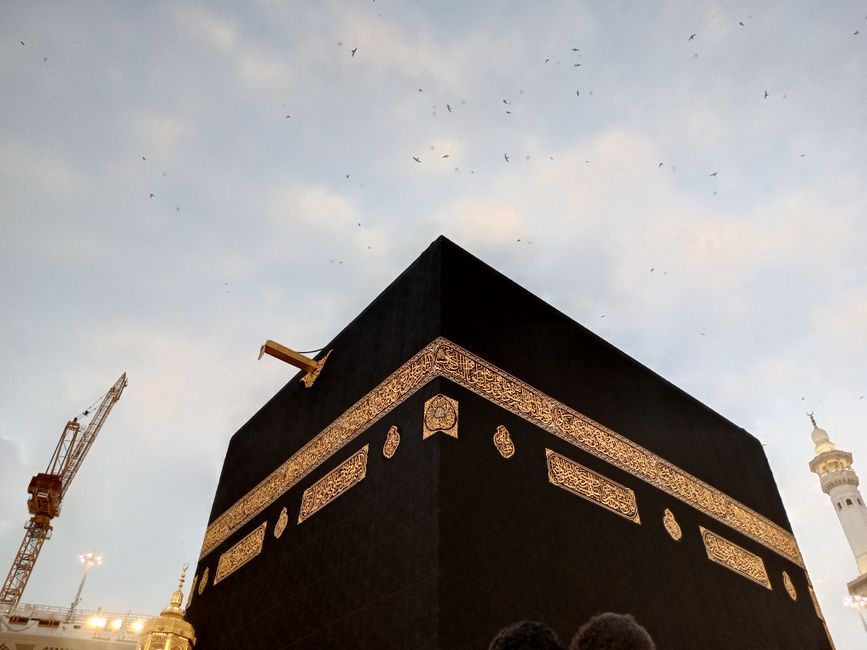
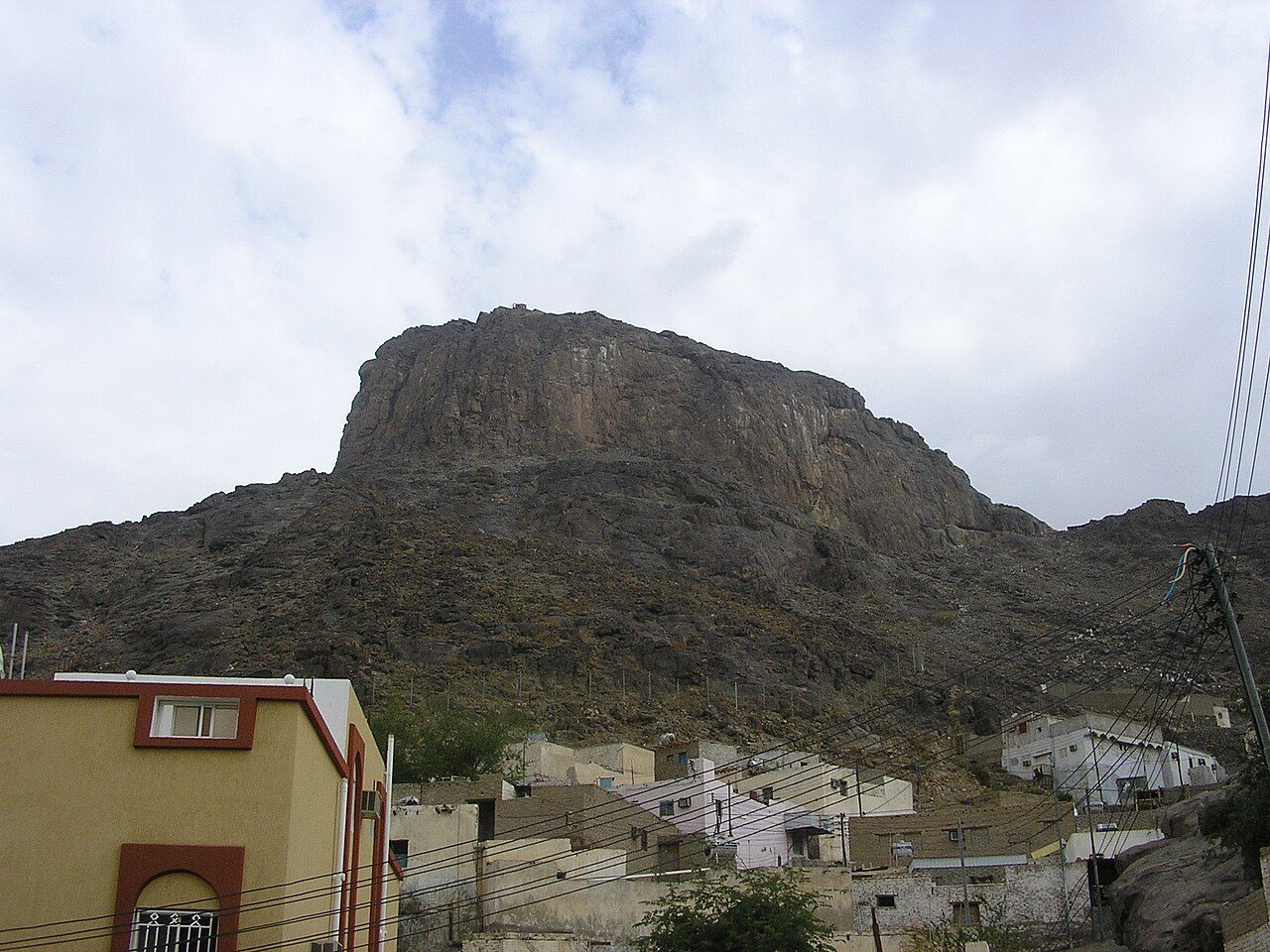
Rising 642 meters above the arid Hejazi basin northeast of Mecca, Jabal al-Nour—the "Mountain of Light"—resembles a crouching camel’s crest sculpted from fractured black-and-gray hornblende granite. Tucked just below its precipitous summit lies the Cave of Hira, an austere natural crevice measuring roughly 3.7 meters long by 1.6 meters wide. It was inside this unadorned rock fissure during the lunar month of Ramadan in 610 CE that the Prophet Muhammad retreated for solitary meditation, receiving the first revelation of the Quran when the Archangel Gabriel commanded him with the word *Iqra* ("Recite"). The cave's unique geological formation acts as a natural frame, oriented with surprising precision toward the direction of the Holy Kaaba below. Undertaking the ascent requires navigating an arduous path of over 1,200 rough-hewn stone steps that snake up the mountain's razorback ridge. Pilgrims typically embark during the cool, star-dusted hours before dawn, accompanied by the whistle of desert winds and the rhythmic murmur of whispered supplications. Reaching the narrow opening of Hira, travelers encounter cool, polished stone worn smooth by centuries of reverence. Emerging at the summit as morning breaks, visitors are met with a dramatic contrast: the raw, timeless silence of the biblical desert colliding with panoramic views of modern Mecca, where the towering spires of the Abraj Al-Bait gleam against the vast, sunlit plains.