Bursa
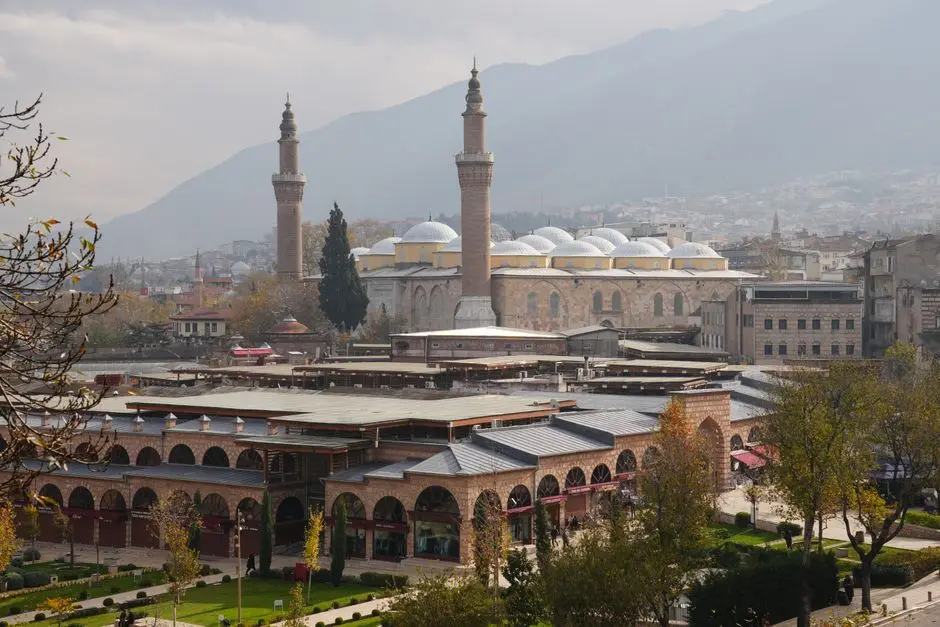
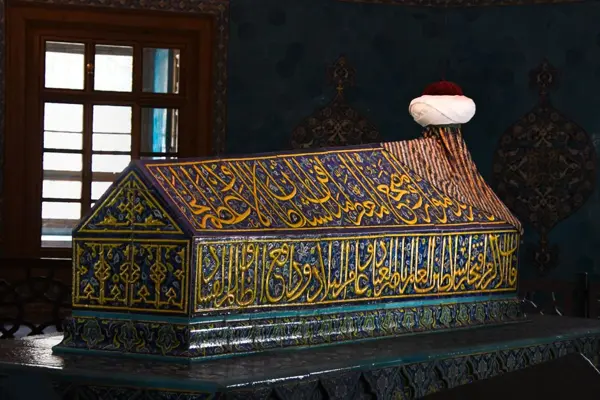
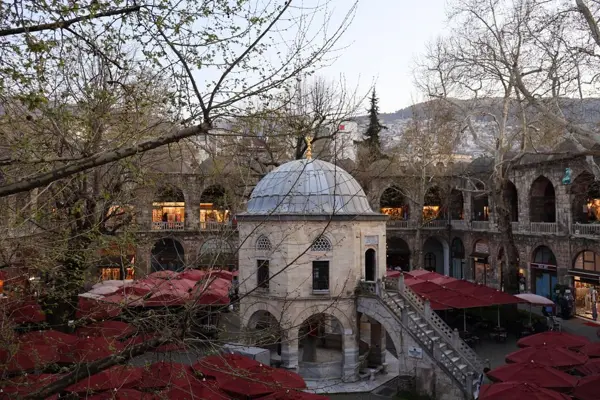
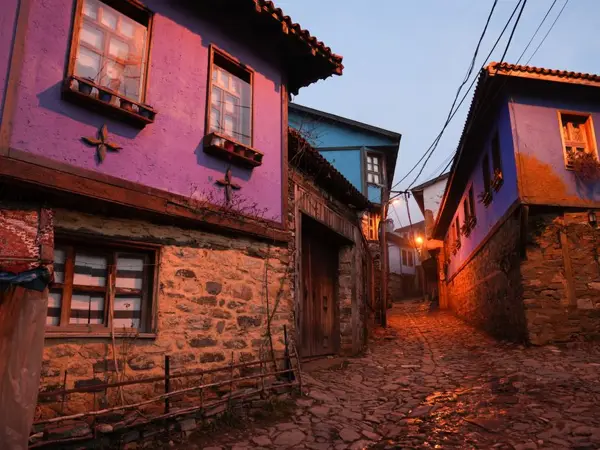
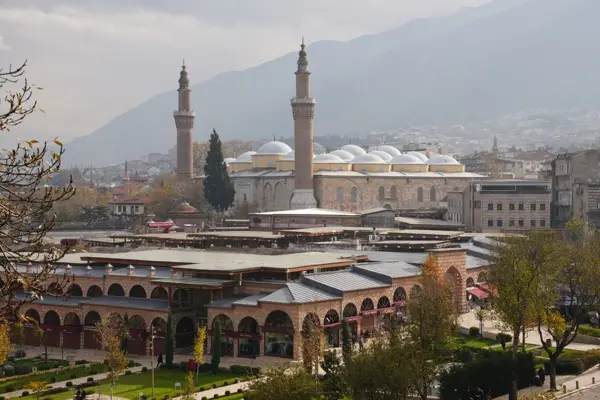
Sprawling along the lush northern slopes of Mount Uludağ in northwestern Anatolia, Bursa balances its cool alpine backdrop with the warmth of natural thermal springs. Walking its sloping cobblestone streets means hearing the rush of mountain streams under plane trees that have stood for centuries. Captured in 1326 by Orhan Gazi, the city served as the first capital of the Ottoman Empire, leaving behind a wealth of early imperial architecture. In the center stands Ulu Cami, completed in 1399, celebrated for its twenty domes and an ablution fountain set directly beneath an open skylight. Across the ravine, the fifteenth-century Yeşil Cami displays intricate turquoise Iznik tilework, while the elevated Tophane ramparts house the tombs of founders Osman and Orhan Gazi. Daily life still revolves around the market district, where the shaded, two-tiered courtyard of Koza Han has traded raw silk and textiles since 1491. Visitors gather over glasses of black tea before dining on authentic İskender kebab, composed of thinly sliced roasted lamb over chopped pita, drenched in brown butter, tomato sauce, and thick sheep-milk yogurt. Candied chestnuts, known as kestane şekeri, provide a sweet finish. The region’s heritage also thrives in the steaming bathhouses of the Çekirge district, fed by mineral waters that have drawn bathers since Roman times. Autumn offers the ideal climate to explore on foot, free of summer humidity. The Bursa Teleferik cable car carries passengers up Uludağ, while vintage streetcars and the Bursaray light rail efficiently navigate the urban center.
Read more