
 New added
Cape Point
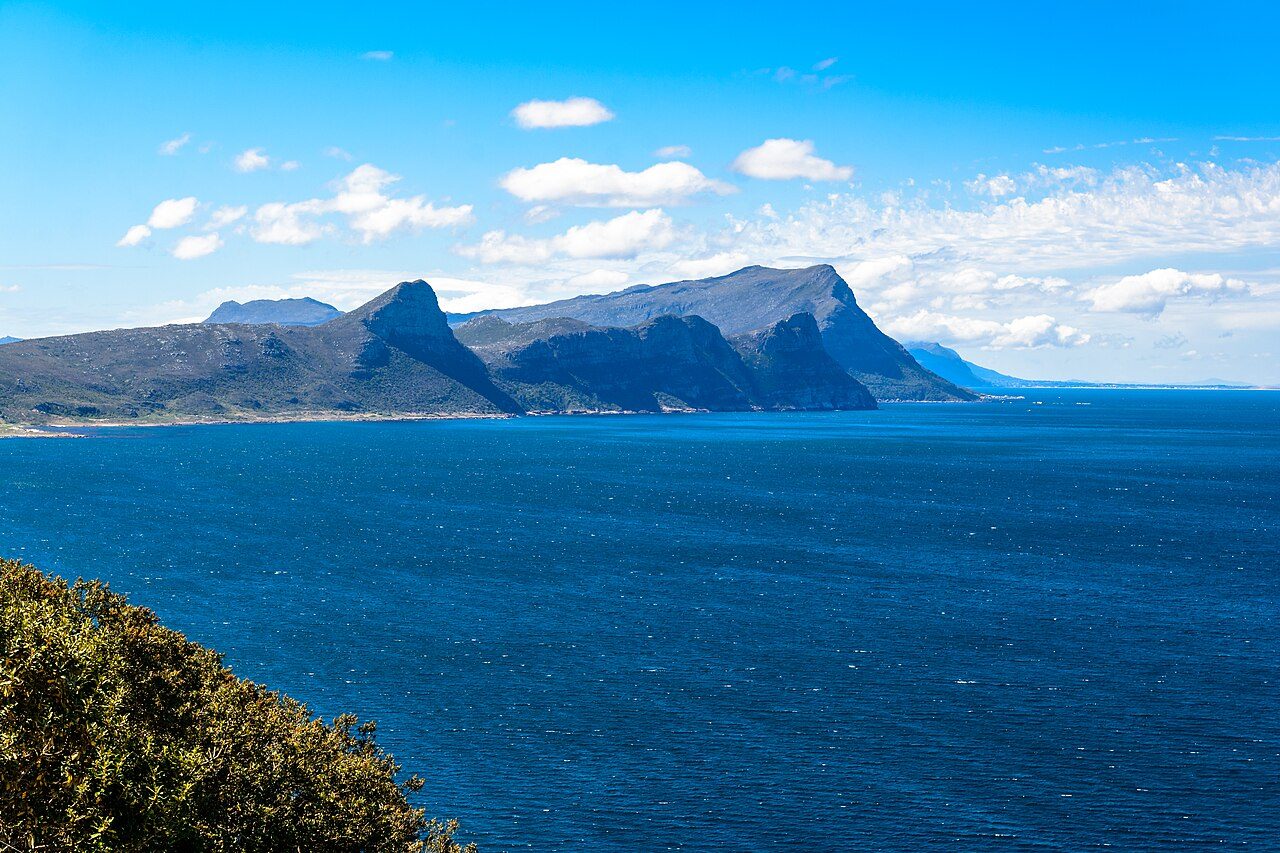
Rising 238 meters above the swirling Atlantic surf, Cape Point anchors the dramatic southwestern tip of Africa within Table Mountain National Park. When Portuguese explorer Bartolomeu Dias rounded these tempest-tossed cliffs in 1488, he christened them the "Cape of Storms"—a graveyard for doomed vessels that fueled the enduring phantom legend of the *Flying Dutchman*. Perched atop the highest promontory stands the Old Lighthouse, a cast-iron tower prefabricated in England and erected in 1859. Because dense sea fog routinely blinded its beam, engineers constructed a replacement stone lighthouse in 1919 at Dias Point, just 87 meters above the water, which remains one of the most powerful navigational beacons on the southern oceans. Visitors ascend the spine of the ridge via the Flying Dutchman Funicular or along steep stone pathways cutting through endemic *fynbos*, where opportunistic chacma baboons forage amid sun-scorched protea bushes. Standing at the cliff-edge railings, the sensory assault is staggering: relentless Antarctic gales whip across the promontory, carrying the deafening roar of turquoise swells smashing into jagged sandstone reefs below. Looking south across the crescent curve of Dias Beach toward the Cape of Good Hope, you witness an elemental collision of maritime power, where sheer precipices plunge into churning white foam and nothing lies between the rocky bluff and the polar ice cap.
More in Cape Town
Photo credits (5)
- dconvertini, CC BY-SA 2.0, via Wikimedia Commons
- Joe Ross from Lansing, Michigan, CC BY-SA 2.0, via Wikimedia Commons
- Photograph by Mike Peel ( www.mikepeel.net )., CC BY-SA 4.0, via Wikimedia Commons
- Ad Meskens You are free to use this picture for any purpose as long as you credit its author, Ad Meskens . Example: © Ad Meskens / Wikimedia Commons If you use…, CC BY-SA 4.0, via Wikimedia Commons
- LBM1948, CC BY-SA 4.0, via Wikimedia Commons