
 New added
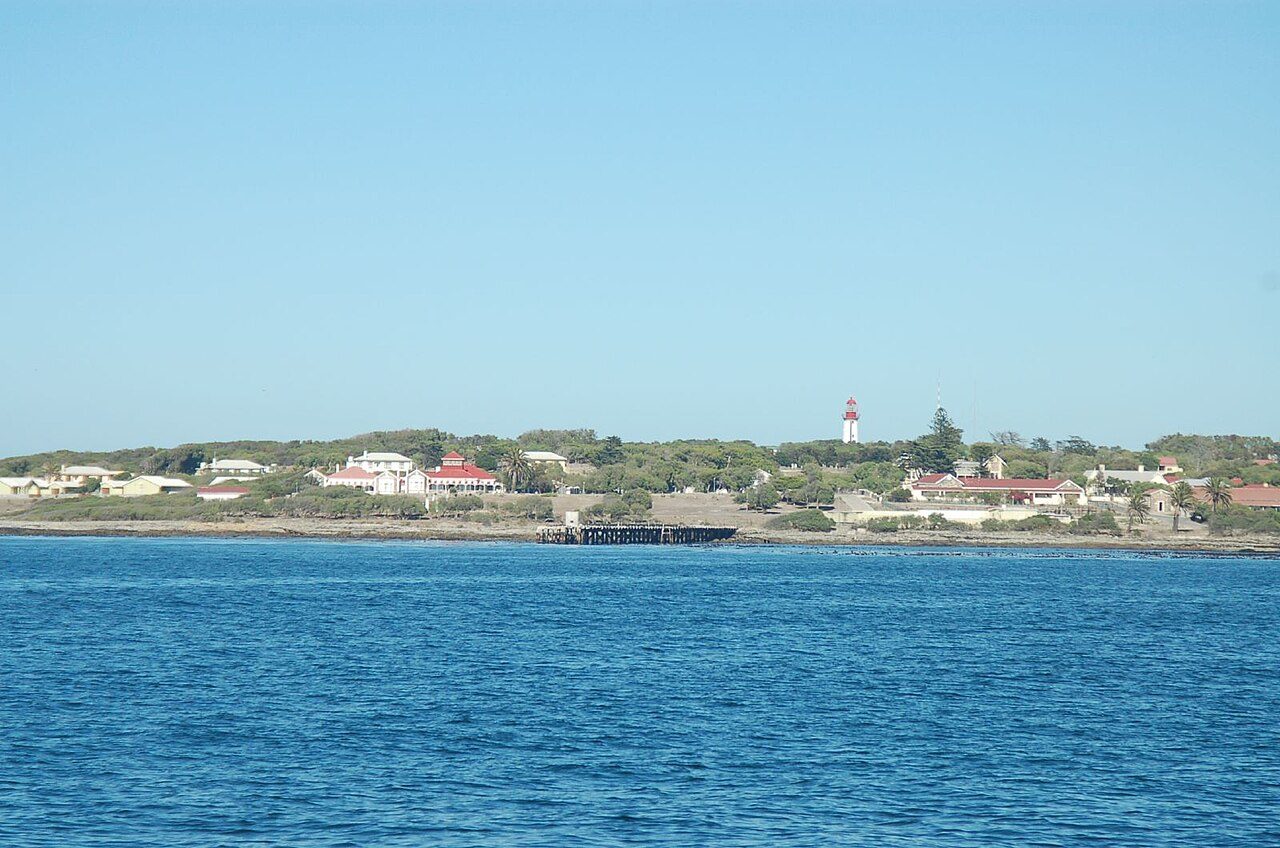
Robben Island
Rising from the frigid swells of Table Bay, this windswept outcrop of slate and scrub was repurposed by the apartheid regime in 1961 as a maximum-security isolation prison for political dissidents. Long before holding Nelson Mandela for 18 of his 27 years of incarceration, the island served as a 17th-century Dutch victualing post, a leper colony, and a British military outpost. The prison complex reflects austere, mid-century institutional design: low-slung, whitewashed concrete blocks, fortified watchtowers capped with corrugated zinc, and rows of razor wire cutting across an otherwise barren, sea-battered landscape framed by the distant silhouette of Table Mountain. Walking through the damp, echoing corridors of Section B, visitors encounter Mandela’s austere eight-by-seven-foot cell—Cell 5—left intact with only a thin straw sleeping mat, a low wooden stool, and a metal sanitary bucket on the cold concrete floor. Outside, the midday heat reflects off the blinding white glare of the lime quarry, where prisoners endured years of backbreaking manual labor that permanently damaged their eyesight and lungs. Here, a humble cairn of stones piled by former inmates during a 1995 reunion rests beneath the limestone cliffs. Guided through the communal bunks and barbed-wire exercise yards by former political prisoners whose voices carry personal trauma and hard-won triumph, travelers encounter an atmosphere thick with the salt spray of the Atlantic and the unyielding weight of South Africa’s struggle for liberation.
More in Cape Town
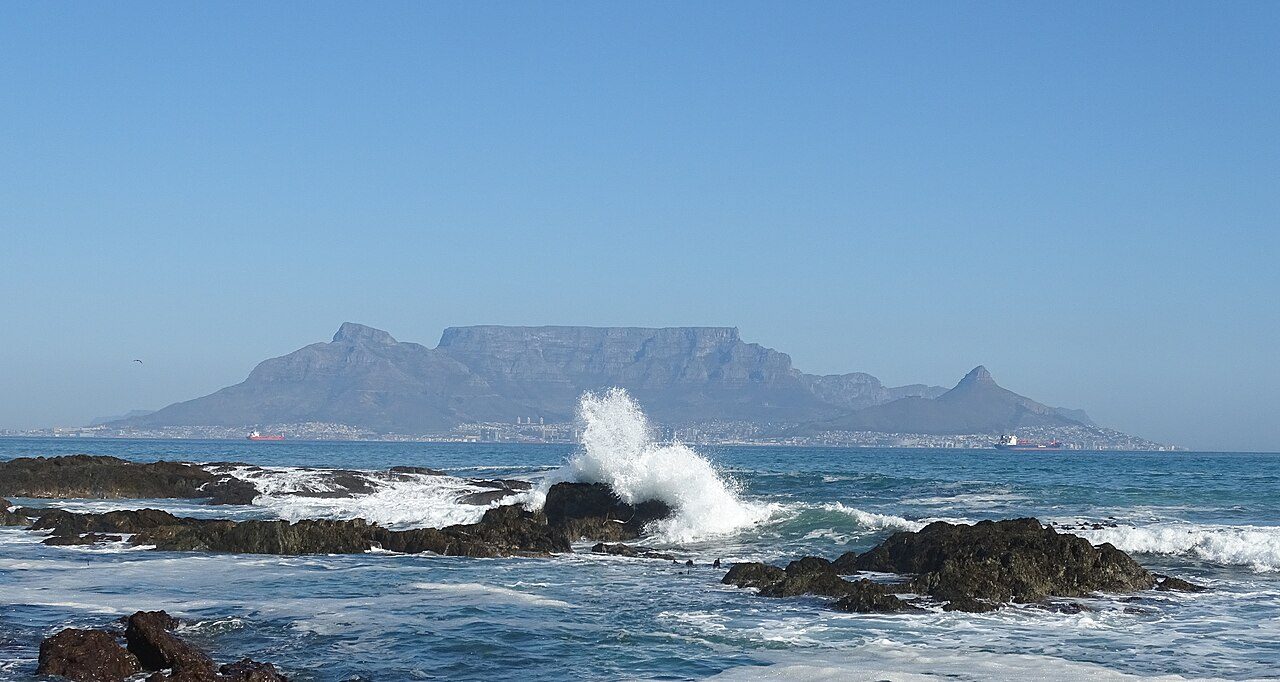
Photo credits (5)
- Joe Ross from Lansing, Michigan, CC BY-SA 2.0, via Wikimedia Commons
- Photograph by Mike Peel ( www.mikepeel.net )., CC BY-SA 4.0, via Wikimedia Commons
- Ad Meskens You are free to use this picture for any purpose as long as you credit its author, Ad Meskens . Example: © Ad Meskens / Wikimedia Commons If you use…, CC BY-SA 4.0, via Wikimedia Commons
- dconvertini, CC BY-SA 2.0, via Wikimedia Commons
- LBM1948, CC BY-SA 4.0, via Wikimedia Commons