 New added
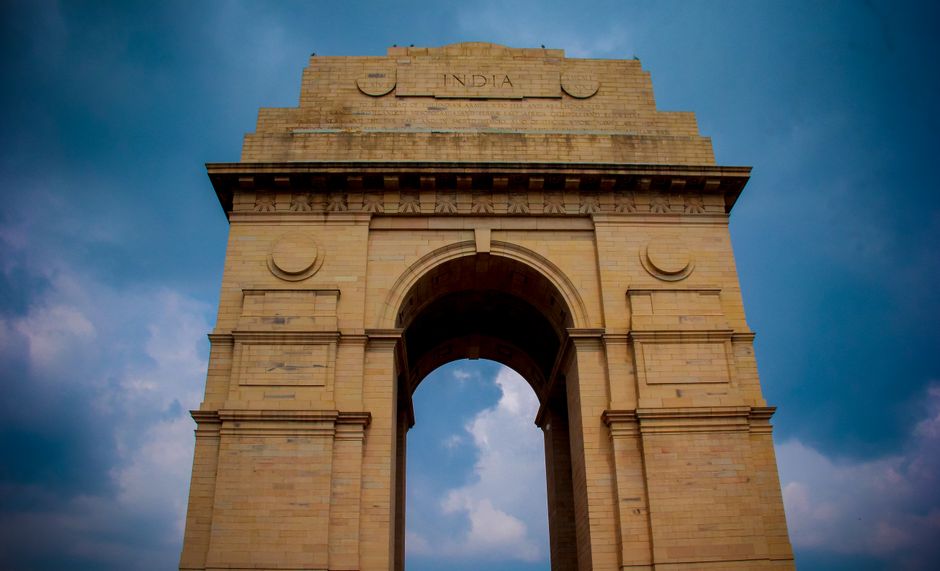
India Gate
Rising 42 meters above the ceremonial axis of New Delhi, this towering triumphal arch was conceived by Sir Edwin Lutyens as the All India War Memorial. Laid out with a foundation stone set by the Duke of Connaught in 1921 and formally inaugurated in 1931, the monument pays solemn tribute to over 84,000 soldiers of the British Indian Army who fell during the First World War and the Third Anglo-Afghan War. Hewn from pale red and yellow Bharatpur sandstone, its design adapts classic Roman triumphal arches with stripped-classical restraint. Along the ashlar masonry of the main span and pilasters, the stone is incised with the names of over 13,000 servicemen, crowned at the top by a shallow-domed urn intended for ceremonial fires. Approaching along Kartavya Path, visitors encounter the monument’s imposing scale set against Delhi’s wide horizons. At dusk, amber floodlights bathe the sandstone facade in a rich glow, accentuating the deep relief of the Imperial sun motifs carved into the frieze. The surrounding manicured lawns fill with the vibrant pulse of local evening life—the scent of spiced roasted corn and sweet jasmine drifting through the air, framed by reflecting canals and the neighboring empty canopy that once held the statue of King George V. Standing beneath the soaring vault, a palpable solemnity takes over as the evening breeze cuts through the arch, carrying travelers past panels of etched names that anchor India’s complex military legacy.