 New added
Quetta Museum
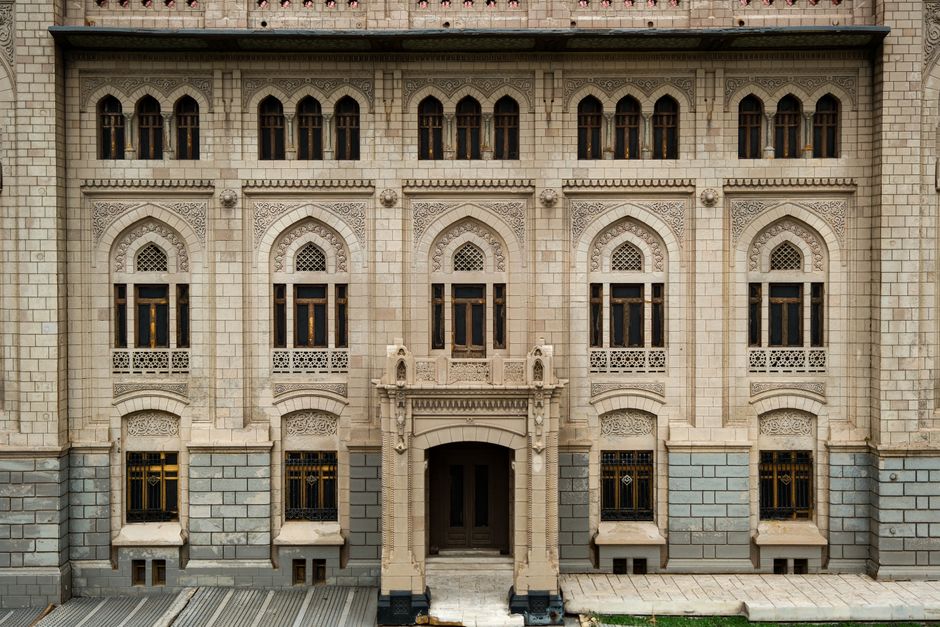
Opened in 1972 along Sariab Road to safeguard Balochistan’s layered antiquity, the Quetta Museum houses one of the subcontinent's most startling archaeological records. Behind an understated modern brick facade lie two primary display galleries anchored by relics from Mehrgarh, a Neolithic agrarian settlement that pre-dates the Indus Valley Civilization by millennia. Beneath soft gallery lighting, glass vitrines showcase 9,000-year-old microlith flint blades, terracotta humped zebu cattle, and stylized "Mother Goddess" figurines excavated from the Kachi plain. Alongside these prehistoric treasures, the collection charts the rise of Bronze Age cultures across Zhob and Nal, where geometric, polychrome funerary pottery reveals ancient trade networks that once threaded the nearby Bolan Pass. Stepping deeper into the quiet, cool interior, visitors transition from deep antiquity into the frontier's martial and spiritual heritage. The subdued atmosphere is broken by the metallic gleam of jewel-hilted *talwar* curved swords, British-era matchlock muskets, and a revered manuscript gallery displaying rare illuminated Qurans inscribed in intricate Naskh and Kufic scripts. In the ethnographic wing, the stark prehistoric clay yields to vibrant artisan textures: heavy silver nomadic torcs, deeply pigmented Brahui and Pashtun rugs, and silk-embroidered Balochi robes inset with tiny, hand-stitched mirrors that capture the dim hall's ambient glow.