 New added
Quetta Bazaar
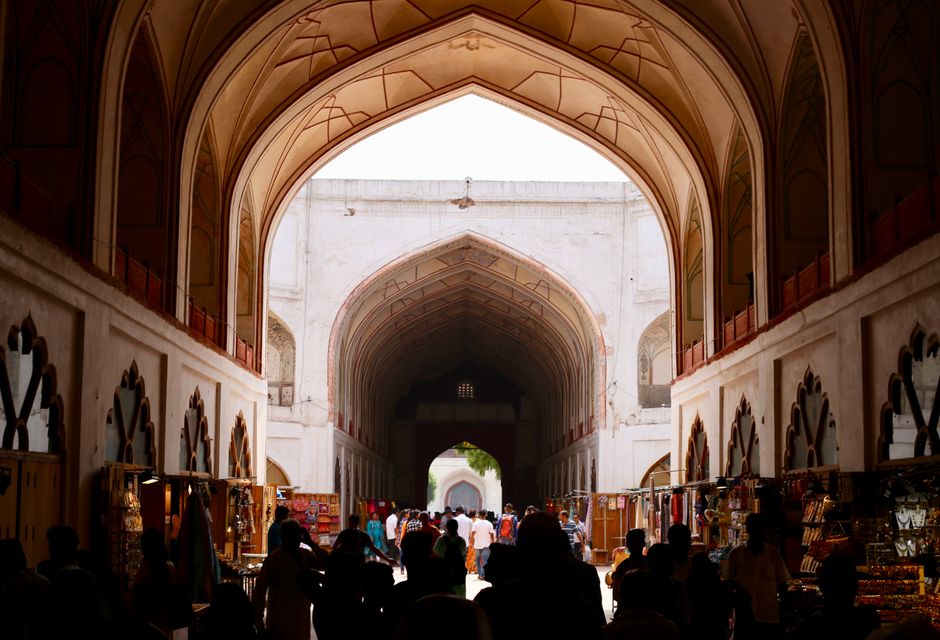
Rising from the devastation of the catastrophic 1935 earthquake that leveled the colonial-era garrison city, Quetta’s central commercial maze—anchored by Kandahari and Liaquat Bazaars—was rebuilt with low-slung, quake-resilient brickwork and timber-reinforced lintels. Long serving as a high-altitude crossroads connecting southern Afghanistan to the Indus plains since Sir Robert Sandeman’s late-19th-century frontier administration, the trade network maintains its ancient caravansary roots. Beneath rusted corrugated awnings and narrow, sun-dappled alleys, open-fronted stalls overflow with geometric Balochi flat-weave kilims, hand-beaten copper tea vessels, and trays of raw lapis lazuli and turquoise hauled through the Chaman border. Stepping onto the flagstone passages, travelers are immediately immersed in a sensory blend of Central and South Asian cultures, where Pashtun, Hazara, and Brahui merchants converse over cups of steaming green *kahwa*. The sharp mountain draft mingles with the aroma of charcoal embers roasting whole-carcass *sajji* alongside burlap sacks piled high with dried pomegranates, dried sour plums, and pale Chaman raisins. Glancing into the fabric stalls, one watches artisans stitch microscopic mirrors into vibrant crimson silk shawls and fleece-lined *posteen* coats, the flash of glass catching the alpine sunlight amid the rhythmic clatter of copper-smithing and calloused hands weighing mountain almonds.