 New added
Hanna Lake
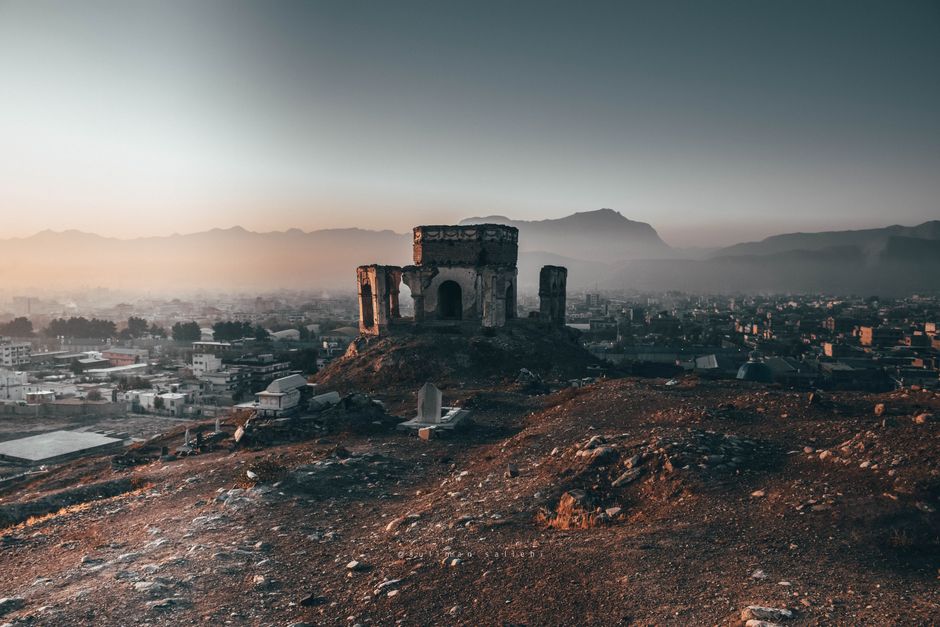
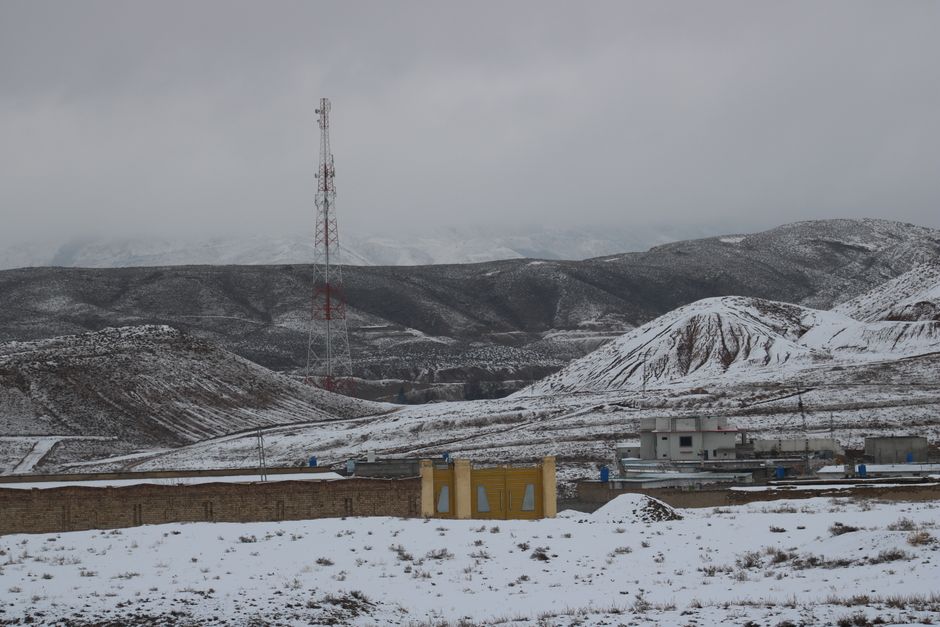
Engineered in 1894 by British colonial surveyors, Hanna Lake emerged as a strategic reservoir designed to capture snowmelt runoff channeled through the rugged Hanna Gorge. Anchored by a fortified stone-and-masonry dam, this hydrological feat transformed the parched apron of the Zarghoon mountain range into a vital freshwater cache for the imperial garrison town of Quetta. At its center rises a stone pavilion island, accessed via a narrow causeway during dry spells, standing as an architectural relic against the backdrop of barren, sun-bleached limestone ridges that define the northern Balochistan plateau. Standing along the tiered stone embankment, travelers encounter an abrupt clash between stark geological desolation and shimmering, jewel-toned emerald water. The crisp high-altitude air carries the faint resinous scent of planted pines and wild mountain thyme, occasionally broken by the gentle creak of wooden rowboats charting the reservoir's perimeter. From the crest of the spillway, visitors watch shifting ochre and violet shadows sweep across folded cliff faces, observing firsthand how Victorian engineering etched a enduring oasis into Pakistan’s formidable frontier terrain.