 New added
Lahore Fort
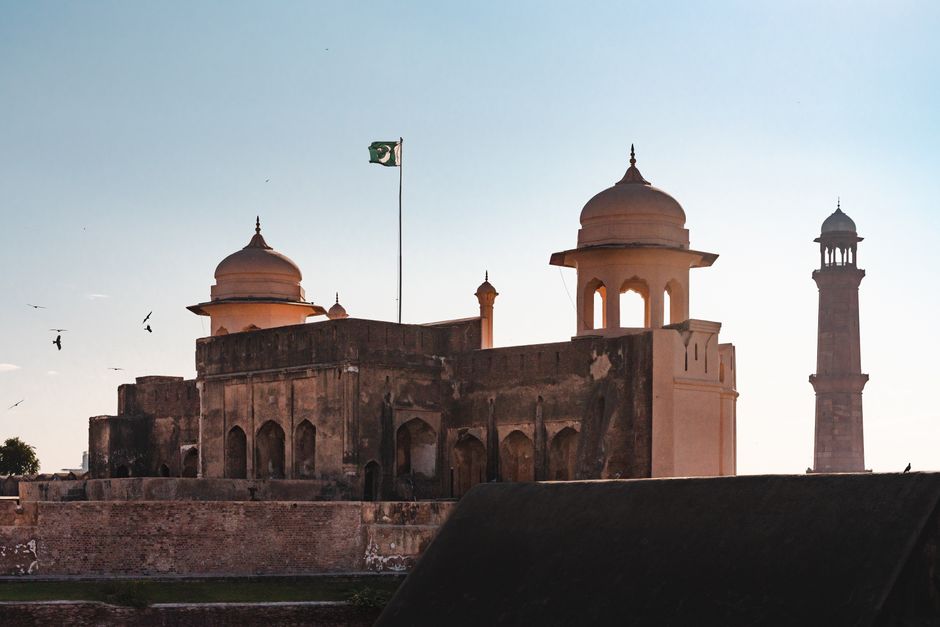
Founded in its brick-and-stone form by Emperor Akbar in 1566 and layered with additions by Jahangir, Shah Jahan, and Maharaja Ranjit Singh, Lahore Fort—the Shahi Qila—stands as a monumental palimpsest of Mughal sovereignty. Its northern ramparts feature the extraordinary Picture Wall, where nearly 500 meters of vibrant glazed tile mosaics depict courtly life, ferocious dragons, and polo matches in brilliant cobalt, amber, and turquoise. Looming over the western perimeter, the colossal fluted bastions of the Alamgiri Gate, erected under Aurangzeb in 1674, evoke an era of thundering royal elephant processions and defensive imperial might. Stepping deeper into the complex toward Shah Jahan’s 1632 Sheesh Mahal (Palace of Mirrors), visitors encounter an ethereal play of light. Thousands of convex glass mirrors embedded in the vaulted ceilings capture the shifting sun, scattering fractured, diamond-like reflections across intricate floral frescoes. Nearby, beneath the sweeping Bengali-style curved eaves of the Naulakha Pavilion, travelers can run their fingers over fine pietra dura inlays of lapis lazuli, agate, and carnelian embedded in pristine white marble, looking out toward the historic Ravi River floodplain amidst the reverent stillness of stone.