 New added
Belvedere Palace
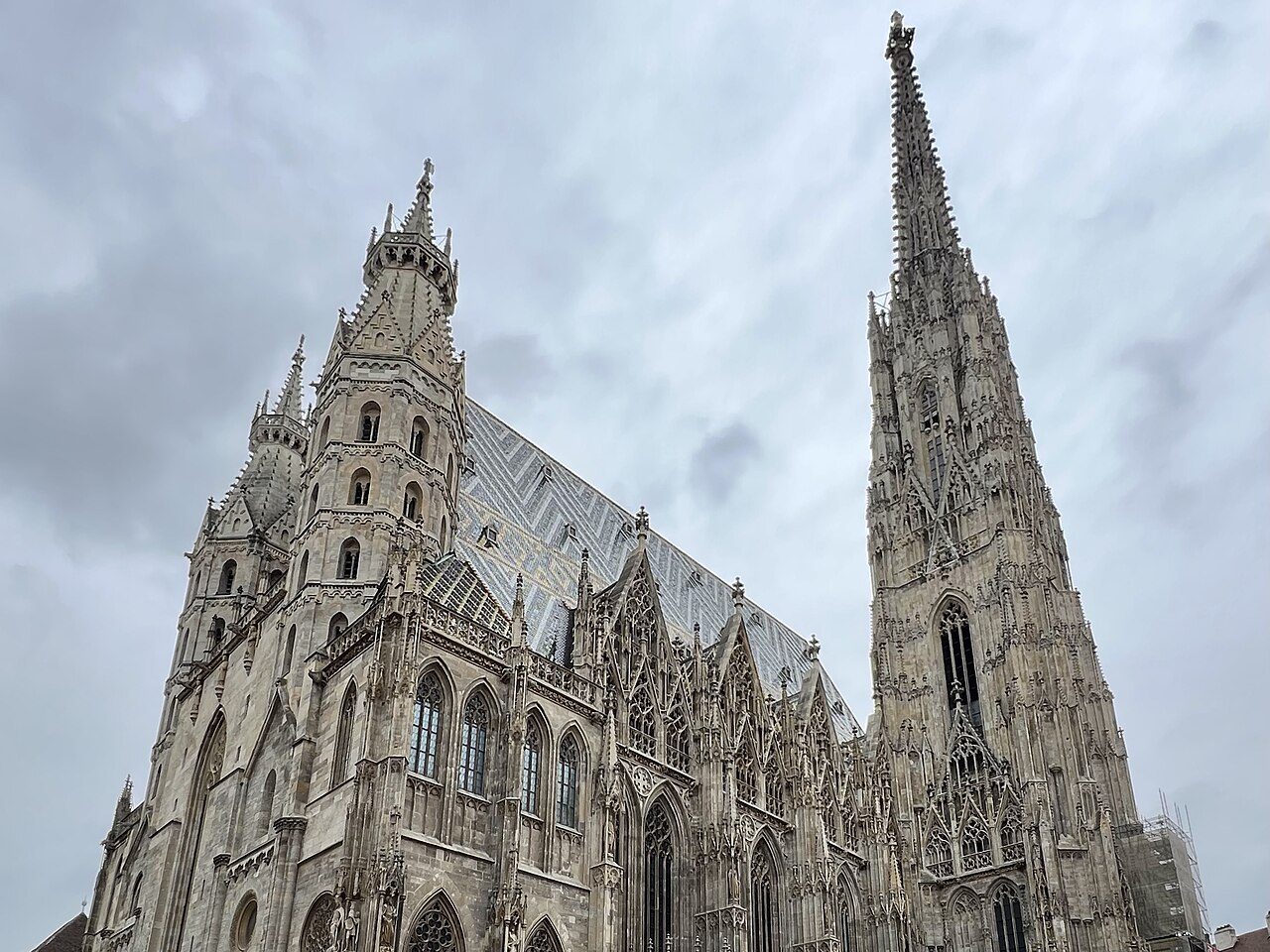
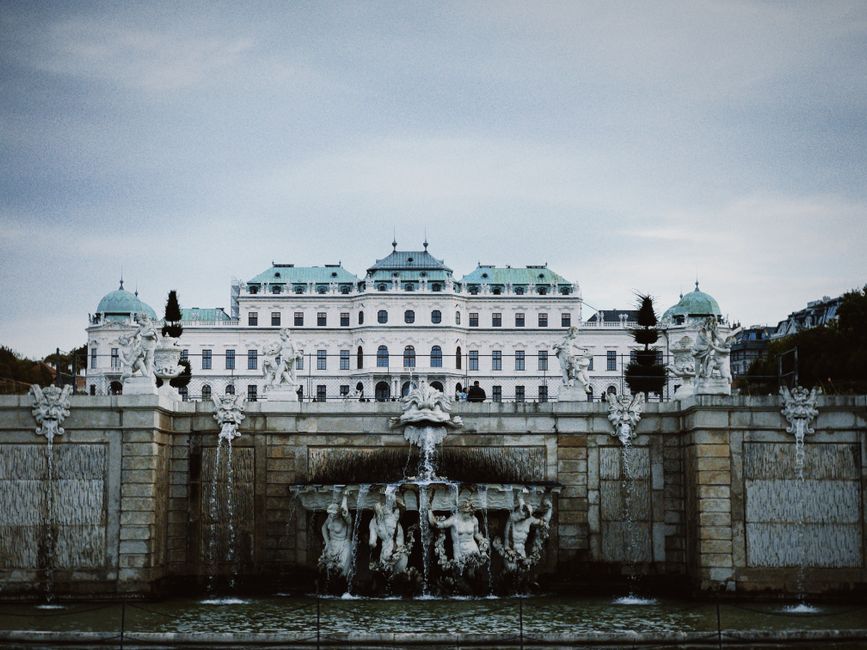
Commissioned in the early 18th century by Prince Eugene of Savoy, the Belvedere stands as architect Johann Lukas von Hildebrandt’s High Baroque masterpiece. Completed in 1723, the complex divides into two opposing palaces—the Upper and Lower Belvedere—linked by a tiered garden cascade engineered with fountains, gravel allées, and sculpted stone sphinxes. Approaching the Upper Belvedere from the reflecting pool, you immediately notice the palace's distinctive copper-green roofs, whose swooping silhouettes intentionally evoke the military tents of Prince Eugene’s Ottoman adversaries. Pausing along the garden terraces, the gravel crunching underfoot, the panorama drops away to reveal the distant Gothic spire of St. Stephen’s Cathedral framed by clipped hedges. Inside the Upper Palace, you step into the two-story Marble Hall, an expanse of polished red-brown stucco and illusionistic ceiling frescoes where diplomats signed the 1955 Austrian State Treaty to restore the nation's postwar sovereignty. Sunlight streams through tall arched windows onto inlaid parquet floors, drawing visitors toward the palace's celebrated Viennese Secession galleries. Standing before Gustav Klimt’s 1908 oil painting *The Kiss*, the intimate scale and tactile shimmer of genuine gold and platinum leaf contrast sharply with the monumental scale of the imperial salon, giving travelers a front-row encounter with the radical shift from Habsburg opulence to avant-garde modernism.