 New added
Schönbrunn Palace
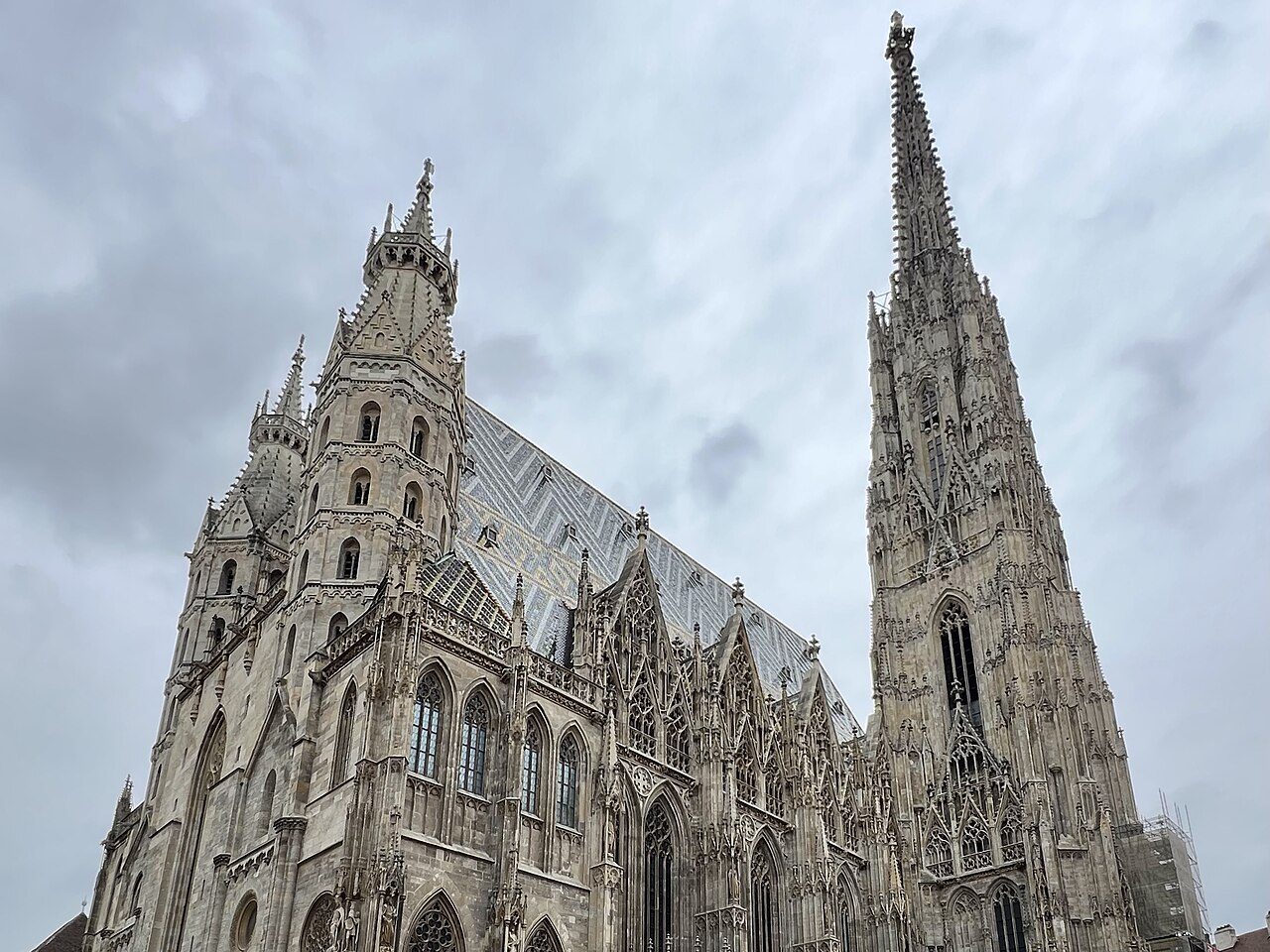
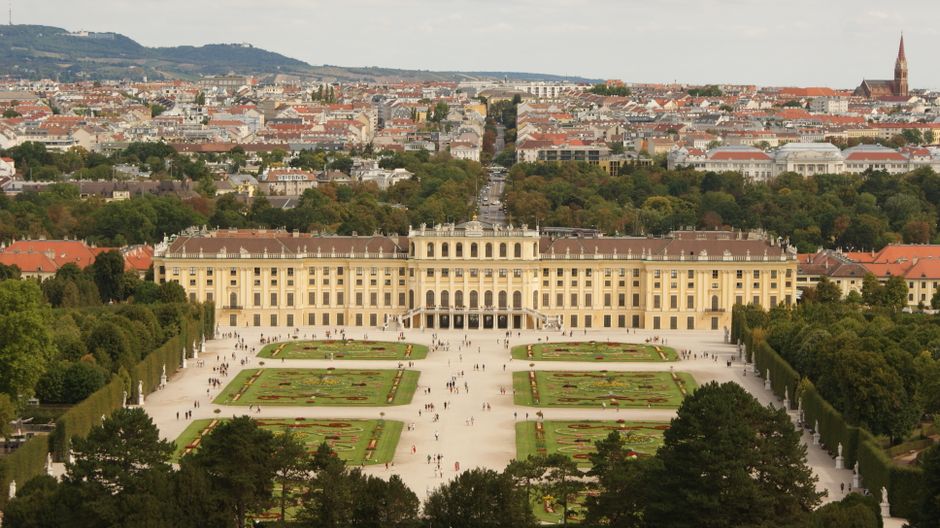
Bathed in its signature ochre hue known as "Schönbrunn Yellow," this sprawling 1,441-room Baroque complex stands as the supreme monument to Habsburg dynasty. Transformed during the mid-18th century under Empress Maria Theresa by court architect Nicolò Pacassi, the palace bore witness to pivotal moments of European history—from a six-year-old Mozart dazzling the imperial family in the Mirror Room in 1762, to Napoleon requisitioning its grand salons in 1805. Inside, visitors tread across polished parquetry beneath soaring ceiling frescoes in the Great Gallery, where gilded Rococo stuccowork, Bohemian crystal chandeliers, and opulent East Asian lacquer cabinets reflect the absolute power of an empire at its zenith. Stepping through the palace’s southern portico, the vast scale of the manicured French gardens unfolds, marked by the crisp crunch of gravel underfoot and geometrically sculpted hedgerows. Beyond the monumental Neptune Fountain, a zig-zagging path ascends the hillside to the neoclassical Gloriette colonnade, built in 1775 to commemorate Habsburg military triumph. Standing beneath its triumphant imperial eagle, travelers look back across the symmetrical grounds toward the golden palace facade, with the distant Gothic spire of St. Stephen’s Cathedral anchoring the Viennese skyline beyond.