 New added
Colosseum
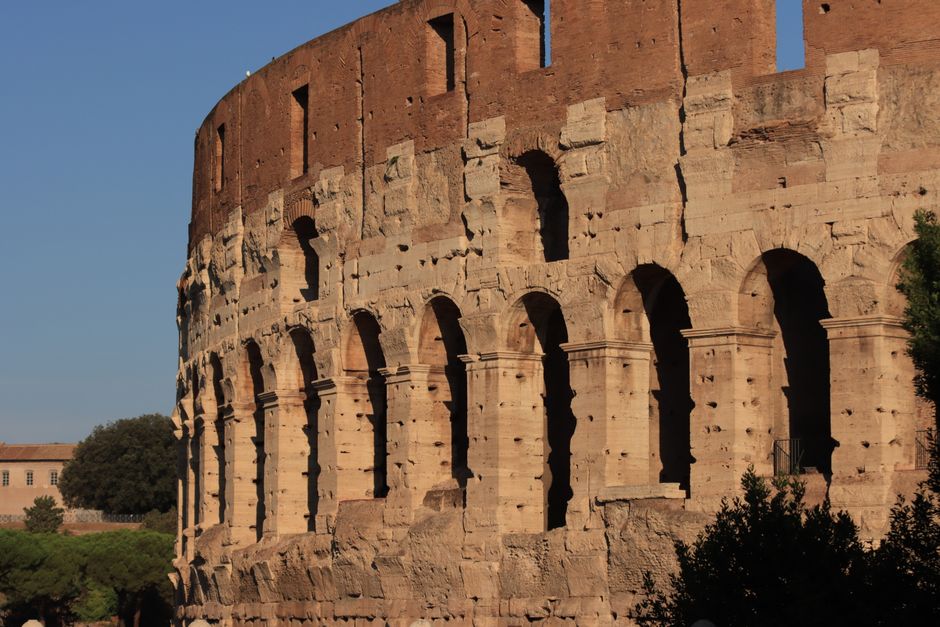
Commissioned by Emperor Vespasian around 72 AD and inaugurated by his son Titus in 80 AD with one hundred days of brutal games, the Flavian Amphitheater stands as the pinnacle of Roman imperial engineering. Sculpted from over 100,000 cubic meters of travertine limestone hauled from Tivoli, the exterior wall climbs four distinct tiers, demonstrating an architectural hierarchy of classical orders: robust Tuscan arches at the base, elegant Ionic columns in the middle, and slender Corinthian pilasters ringing the top attic. Through eighty vaulted arcades, up to 50,000 citizens once flooded the arena, sheltered from the Mediterranean sun by the *velarium*, an immense canvas awning rigged by imperial sailors. Stepping inside, the sensory scale of the stadium immediately overwhelms. The long-vanished wooden arena floor now exposes the *hypogeum* below—a striking, subterranean maze of brick corridors, holding pens, and elevator shafts where gladiators and starved beasts once awaited mechanized hoistings into the daylight. Standing along the surviving inner perimeter, you feel the cool draught rising from these shadow-drenched vaults while looking up at the skeletal limestone tiers of the *cavea*. Centuries of quarrying and seismic tremors have sheared away the southern facade, yet the remaining curvature frames the brilliant Roman sky, filling the silence with the palpable, haunting echoes of ancient spectacle.