Rome
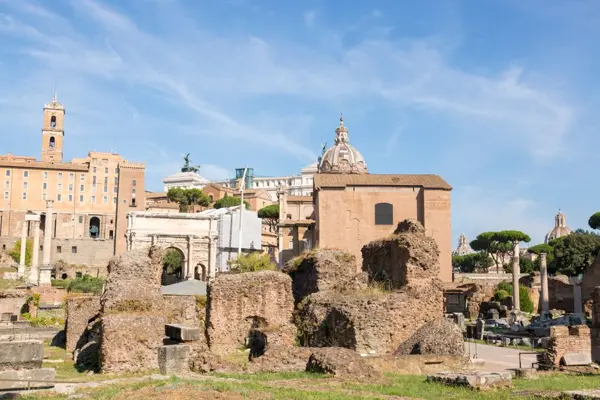
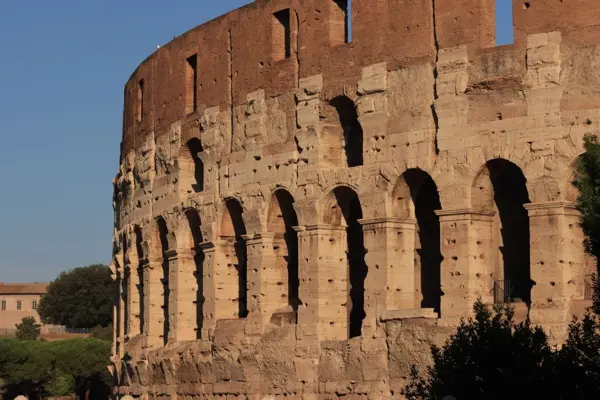
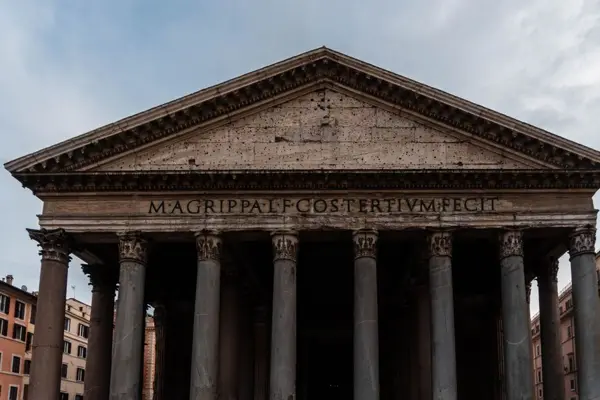
Set in central Lazio along the bends of the Tiber River, midway between the Apennine foothills and the Tyrrhenian coast, Rome moves to a persistent rhythm of rattling motorbikes and chime-heavy bell towers. Walking through the center means navigating slick basalt cobblestones beneath amber stucco facades. Stone pines silhouette against pale skies, and ancient fountains spill fresh water into street troughs where neighborhood cats gather beside laundry-draped apartment blocks. Founded according to tradition in 753 BC by Romulus, the city layers classical antiquity, medieval lanes, and grand baroque squares onto a single map. The Colosseum, completed in 80 AD, still anchors the valley beside the Roman Forum, while the Pantheon preserves an unreinforced concrete dome cast during Hadrian’s reign around 125 AD. West of the river, the Trastevere district reveals a maze of medieval alleys and quiet courtyards, contrasting with Testaccio to the south, an unpretentious working-class enclave shaped around an artificial hill of discarded Roman olive oil jars. Local life clusters around neighborhood counters and morning market stalls like those at Mercato Testaccio, where vendors pile bitter greens, Roman artichokes, and cuts of guanciale destined for evening pans of rigatoni alla carbonara. Before dinner, residents observe the passeggiata, an unhurried twilight stroll through the piazzas. The historical center is compact enough to explore entirely on foot, though comfortable footwear is essential for the uneven pavement. Autumn and spring offer ideal walking weather, particularly during October, when the daytime heat abates and the morning light stays soft across the ruins.
Read more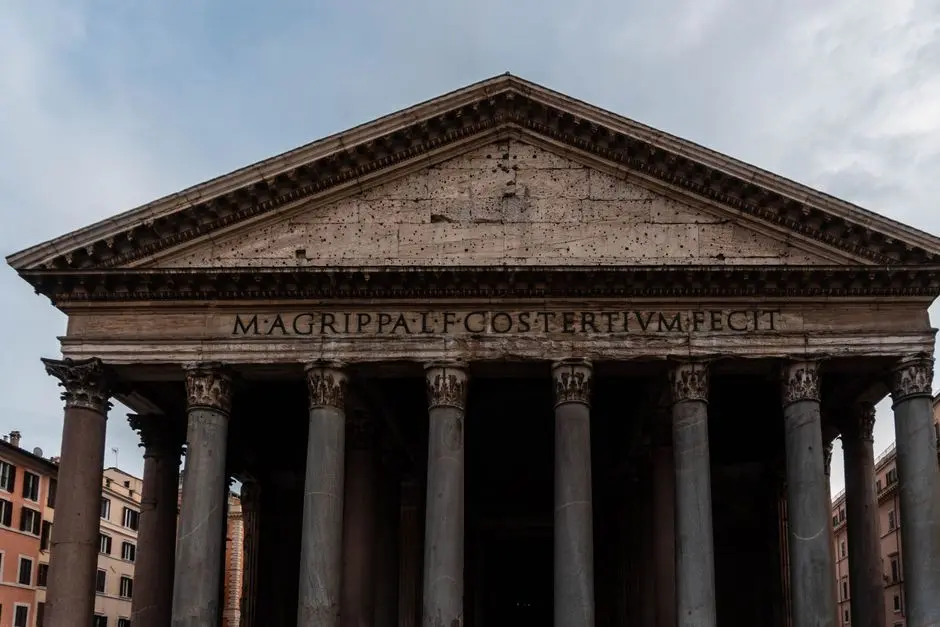
What's on in Rome
Italy's leading independent publishing fair featuring hundreds of publishers, literary debates, author readings, and cultural presentations.
Official infoEvents are collected automatically from the web. Dates can change, so please check the official information before you travel.