 New added
Museum Ludwig
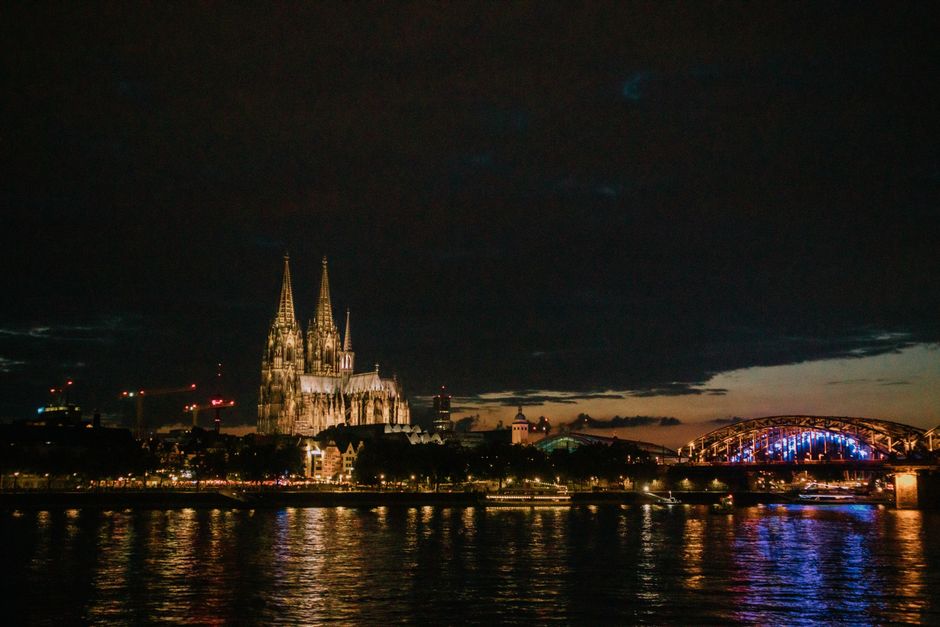
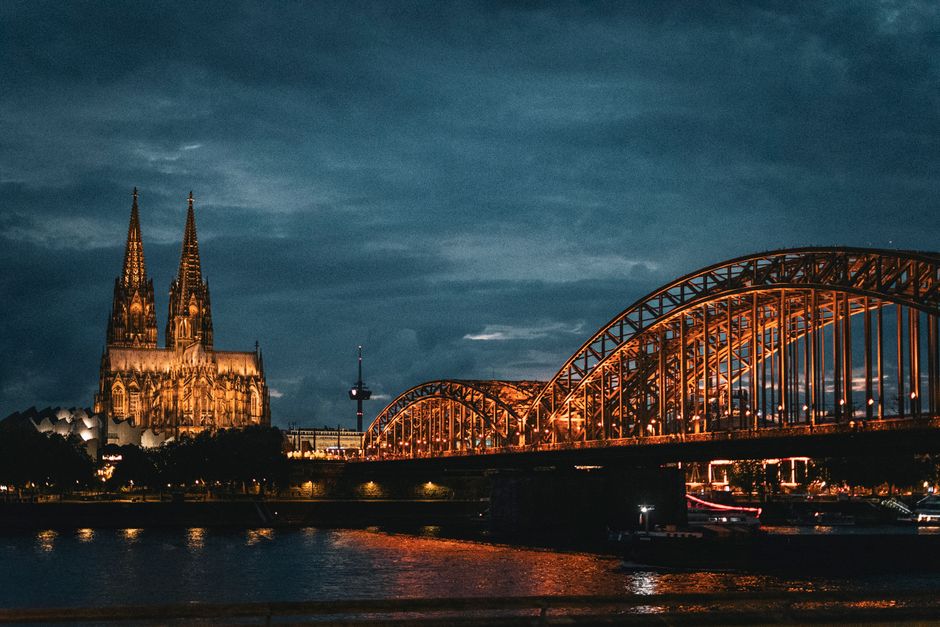
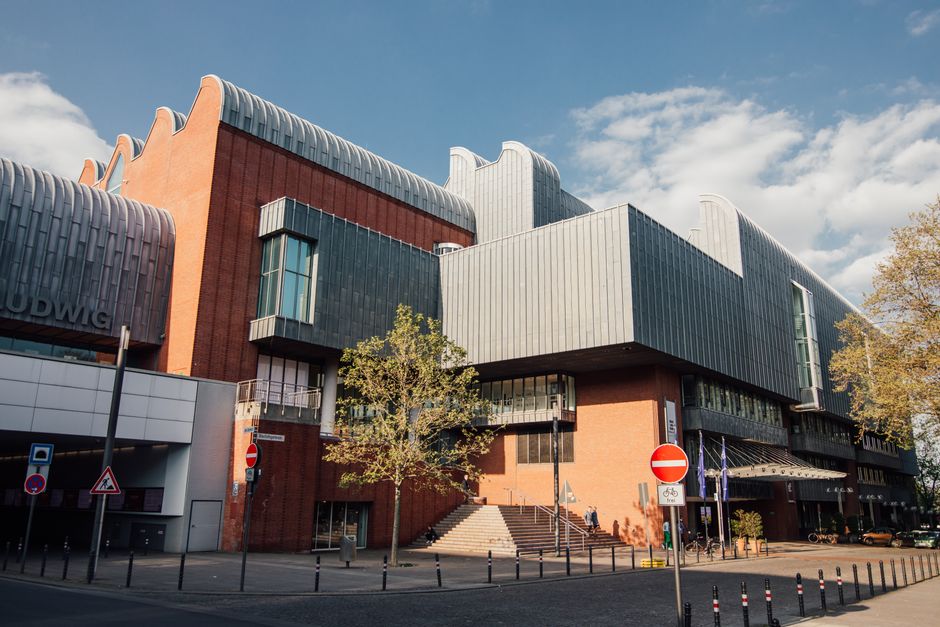
Rising like a stepped modernist fortress between the filigree spires of Cologne Cathedral and the rushing Rhine, the 1986 complex designed by architects Peter Busmann and Godfrid Haberer boldly asserts post-war Germany's artistic renewal. Founded in 1976 following a transformative gift of 350 avant-garde masterworks by chocolate magnates Peter and Irene Ludwig, the museum announces itself through sweeping clinker-brick facades and rhythmic, zinc-clad saw-tooth roofs. These industrial clerestories pitch sharply northward, siphoning shadowless daylight down into sprawling, subterranean and multi-tiered gallery spaces designed specifically to liberate art from academic rigidity. Inside, visitors encounter one of the world's preeminent collections of twentieth-century iconoclasm, holding the third-largest institutional assembly of Pablo Picasso’s work alongside seminal Russian Avant-Garde and American Pop Art treasures. The experience is defined by jarring aesthetic juxtapositions: as you stand on pale oak floors contemplating the comic-strip melancholy of Roy Lichtenstein’s *M-Maybe* or Kasimir Malevich's severe Suprematist geometries, deep-set windows frame the soot-blackened gothic flying buttresses of the neighboring cathedral. The faint, rhythmic rumble of freight trains crossing the Hohenzollern Bridge vibrates softly beneath your feet, grounding the museum’s vibrant pop-culture canvases within the living, industrial pulse of the Rhineland.