Cologne
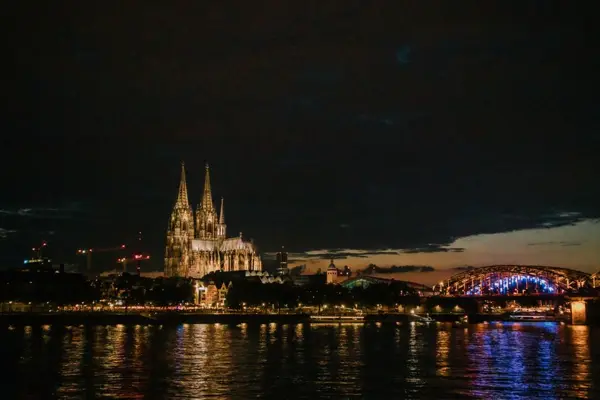
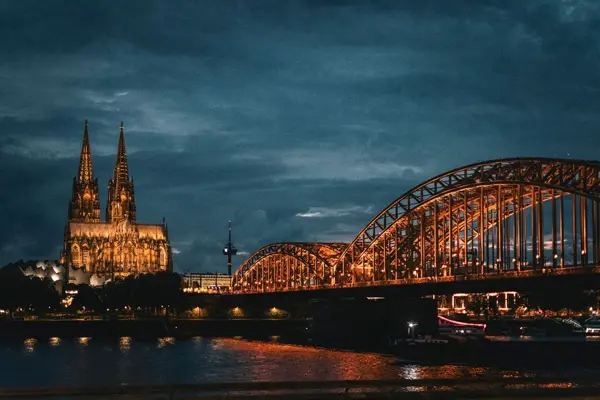
Spreading across both banks of the Rhine in western Germany, Cologne greets travelers with an unpretentious, convivial energy. Walking through the city, you move easily between broad riverfront promenades lined with willow trees and dense grids of brick-paved lanes that hum with conversations outside neighborhood taverns. The atmosphere is distinctly relaxed and communal, shaped by a population that spends sunny afternoons gathering beside the water. Founded as a Roman colony in 50 AD by Empress Agrippina, the city wears its long history openly. The soaring Gothic Cathedral, begun in 1248 and completed more than six centuries later, anchors the urban core and guards the gilded Shrine of the Three Kings. Just south, the Old Town slopes toward the river with pastel merchant houses flanking the Romanesque tower of Great St. Martin. Farther west, the Belgian Quarter trades medieval stone for nineteenth-century residential blocks filled with independent galleries and cafes framing Brüsseler Platz. Evening life revolves around bustling brewhouses where waitstaff carry trays of cold Kölsch, the city’s light, top-fermented ale, poured alongside classic dishes like Himmel un Ääd, a mix of blood sausage, mashed potatoes, and applesauce. In February, the streets erupt into Carnival, a raucous week of costumed parades and brass bands that draws thousands. Cologne is exceptionally flat and best explored on foot or via the KVB tram network, with late spring offering pleasant weather and shaded terraces along the Rhine.
Read more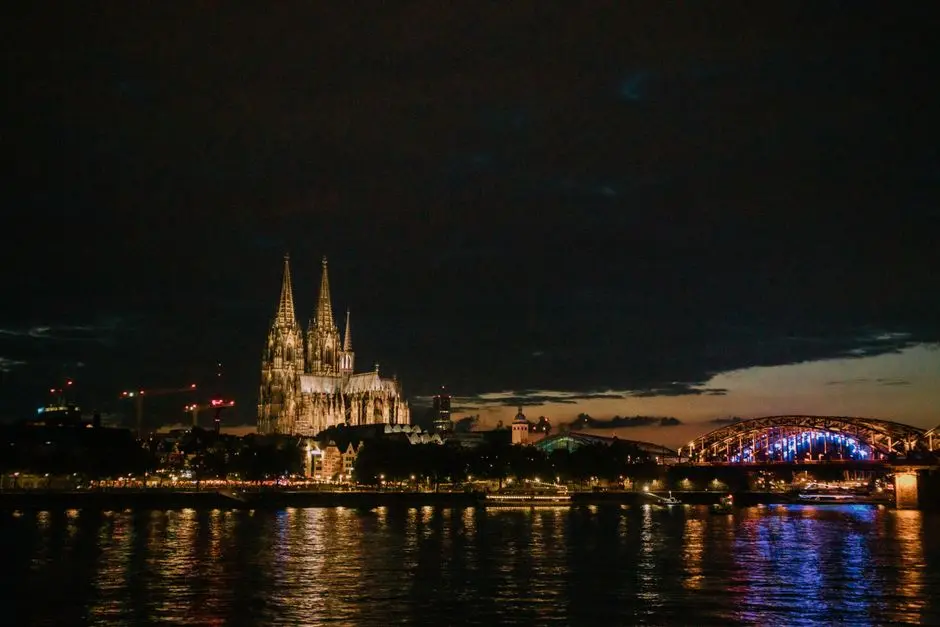
What's on in Cologne
Set directly beside the iconic Cologne Cathedral, this popular Christmas market offers artisan gifts, regional food, and dozens of free live stage performances.
Official infoCologne's vibrant street carnival brings exuberant open-air parties, elaborate costumes, music, and the massive Rose Monday parade through the city streets.
Official infoEvents are collected automatically from the web. Dates can change, so please check the official information before you travel.