 New added
Montmartre
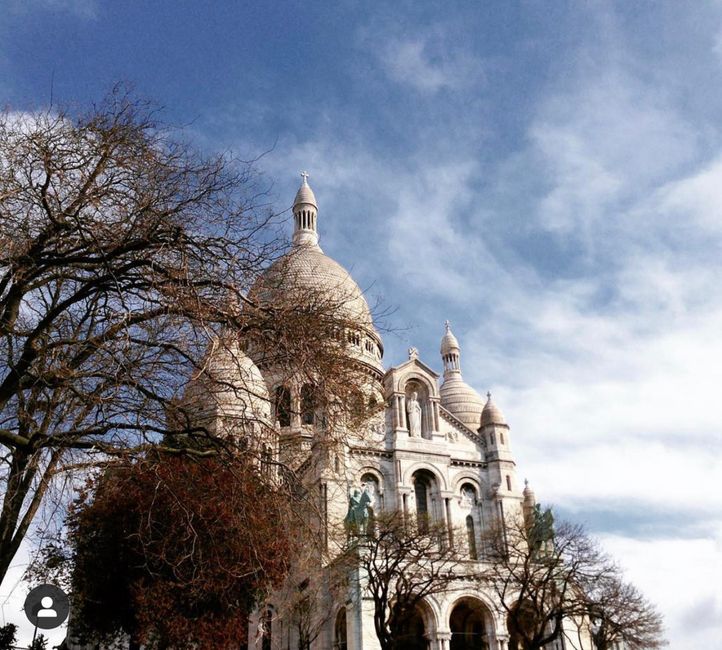
Crowned by the chalk-white, Romano-Byzantine domes of the Basilica of Sacré-Cœur atop Paris’s highest natural hill, Montmartre preserves the bohemian defiance that defined the Belle Époque. Constructed from self-bleaching Château-Landon travertine that glistens after rain, the basilica was commissioned following the 1870 Franco-Prussian War and the bloody suppression of the 1871 Paris Commune. Below its towering campanile, a labyrinth of cobblestones unwinds past the surviving wooden sails of the 17th-century Moulin de la Galette and the ramshackle artist commune of the Bateau-Lavoir, where Pablo Picasso revolutionized modern art with *Les Demoiselles d'Avignon* in 1907 alongside peers like Amedeo Modigliani and Henri de Toulouse-Lautrec. Ascending the 222 steep steps flanking the Rue Foyatier, travelers trade the metropolitan roar of the grand boulevards for an intimate village atmosphere scented with roasting espresso and turpentine. In the bustling Place du Tertre, open-air portraitists pitch their easels beneath canvas awnings, echoing the district’s century-old cabaret culture to the faint strain of street accordions. From the basilica’s parvis, the panorama reveals an ocean of slate-gray zinc rooftops fractured by the distant silhouette of the Eiffel Tower, while a descent down the quieter curve of Rue de l’Abreuvoir leads past the blush-pink walls of La Maison Rose and the sloping, pocket-sized vines of the historic Clos Montmartre vineyard.