
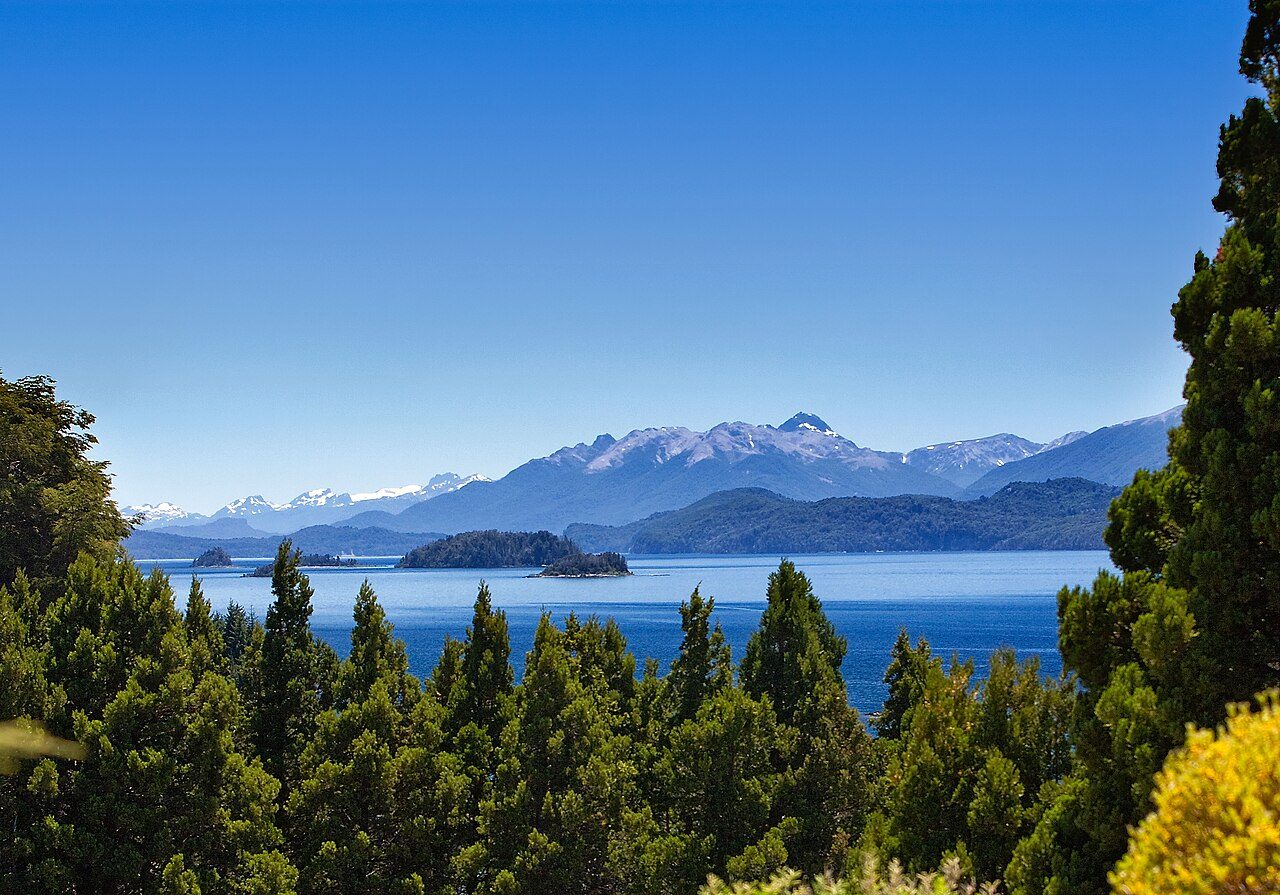
Nahuel Huapi Lake
Carved during the Pleistocene epoch by retreating glaciers, this 530-square-kilometer basin bears the Mapuche name meaning "Island of the Jaguar." Long before Jesuit missionary Nicolás Mascardi established a remote mission on its shores in 1670, indigenous Poyas and Puelches navigated its labyrinthine waterways. The lake’s modern identity crystallized in 1903 when explorer Francisco Pascasio Moreno bequeathed surrounding Andean tracts to the state, establishing the foundation for Argentina’s first national park in 1934. Seven fjord-like arms, most notably the mist-shrouded Brazo Blest, slice deep into the temperate Valdivian rainforest, framed by the jagged, glacier-hung peaks of Cerro Tronador. Standing on the pebble-strewn shores beneath the green-tufa stone and cypress-timber arcades of Bariloche’s 1940 Centro Cívico, travelers encounter biting Patagonian winds sweeping across a 400-meter-deep sapphire expanse. The historic 1937 mahogany-paneled vessel *Modesta Victoria* still cuts through the frigid swells, ferrying passengers to Isla Victoria to wander through rare, cinnamon-barked arrayán myrtle groves. The experience is intensely tactile: the sting of cold spray, the crunch of volcanic shingle underfoot, and the silent, imposing scale of ancient granite cordilleras plunging straight into crystalline, ink-blue waters.
More in Bariloche
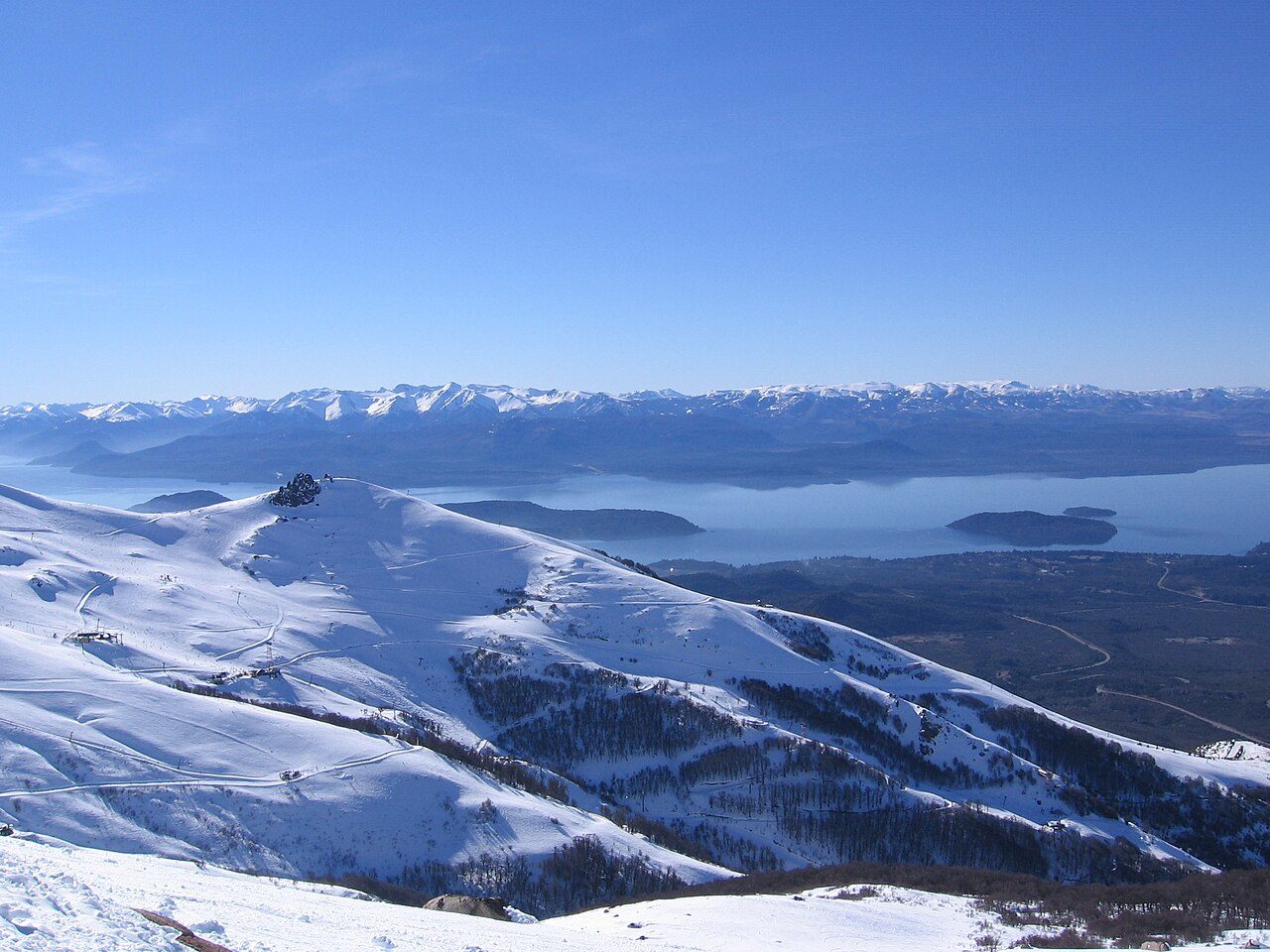

Photo credits (2)
- David, CC BY 2.0, via Wikimedia Commons
- No machine-readable author provided. Matiasmehdi assumed (based on copyright claims)., Public domain, via Wikimedia Commons